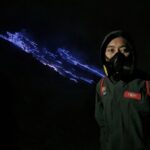
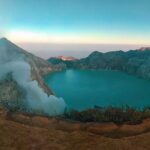
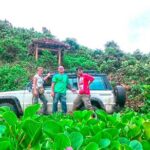
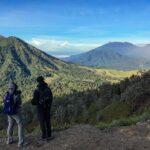
Ijen Crater at night feels like a science project in the best way. The goal is simple: blue fire plus a surreal turquoise crater lake view, all done on a long, guided walk up from Banyuwangi. I like that the tour is built around stress-free transfers and local know-how, so you spend less time figuring things out and more time watching the real show.
Two things I really like: first, the plan is private, so the pace is yours and you’re not stuck matching someone else’s rhythm. Second, the tour includes the basics that usually add up—breakfast, coffee break, bottled water, entrance ticket, and private transport—so the $65 price feels closer to “all-in day trip” than “pay more later.”
One consideration: this is a physically demanding night hike and it isn’t for everyone. If you have back problems, heart issues, asthma, vertigo, acrophobia, or similar concerns, the operator flags it as not recommended, and you also need favorable weather conditions.
In This Review
- Key highlights to expect
- Banyuwangi pickup to Ketapang drop-off: the point of the private transfer
- The night hike goal: blue fire from the rim, turquoise lake in the dark
- Timing reality: what a 12–14 hour day feels like at Ijen
- Stop-by-stop: what happens during the Ijen Crater portion
- Guides and drivers: why names matter and how that shows up in the experience
- What you get for $65: value beyond the headline price
- Crowd and pace: private tour doesn’t always mean empty viewpoints
- Health and fitness reality: who should go, and who should skip it
- When blue fire viewing might change: toxic gases and early start flexibility
- Should you book the Ijen Crater private tour from Banyuwangi?
- FAQ
- Where does the tour start and end?
- How long is the Ijen Crater tour?
- Can I go down into the crater to see the blue fire?
- What’s included in the $65 price?
- Is the tour suitable for children or people with medical conditions?
- Can I cancel for a full refund?
Key highlights to expect
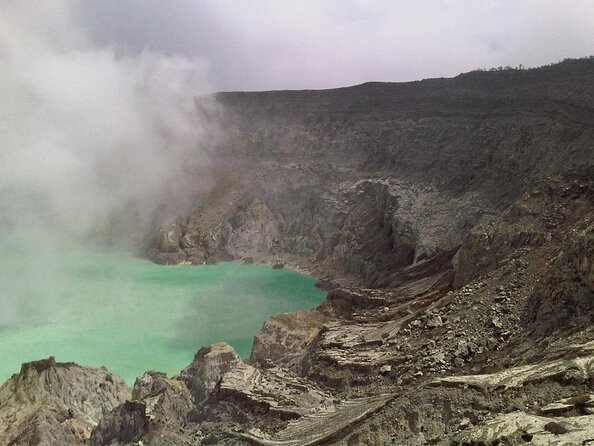
- Blue fire viewing from the Ijen rim: you won’t go down to the crater, but you can see the blue flames from the off-limit area (about 1 km from the crater).
- Turquoise acidic lake and sulfur activity: the crater’s vivid color comes from the acidic lake and constant sulfur output.
- Private transfer options: pickup from Banyuwangi hotels or Ketapang Port, plus a driver and fuel included.
- A guide who controls the experience: you hike at a pace that fits your group, and you get local insight.
- A long day for one main stop: expect roughly 12–14 hours total, with about 4 hours at Ijen.
- Safety depends on conditions: toxic gas levels and other factors can affect timing, so flexibility matters.
Banyuwangi pickup to Ketapang drop-off: the point of the private transfer
This tour runs as a full-day circuit between the Banyuwangi area and Ketapang Harbour. It starts in Banyuwangi Regency and ends at Pelabuhan Penyebrangan Ketapang, which is convenient if you’re crossing onward afterward (or just want a clean ending without more logistics).
Ijen is not a “grab a ticket and wander” kind of stop. Having a private vehicle with driver+fuel means you’re not coordinating late-night rides, finding meeting points in the dark, or re-planning when your start time gets close. The tour also uses a mobile ticket, which keeps check-in simple when it’s still early enough that everyone’s yawning.
The other practical win is that it’s private. Even though you’ll still share general viewpoints with others at the rim, you’re not bargaining with a big group schedule or getting separated from your guide while you wait around for different walking speeds.
You can also read our reviews of more tours and experiences in Banyuwangi.
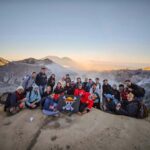
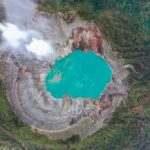
The night hike goal: blue fire from the rim, turquoise lake in the dark
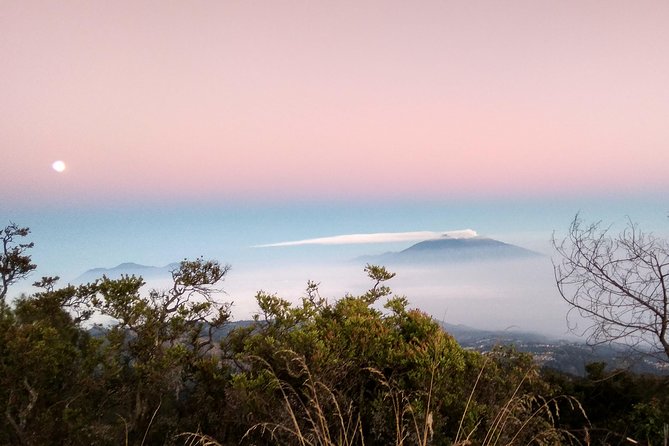
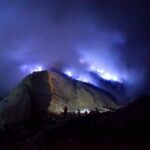
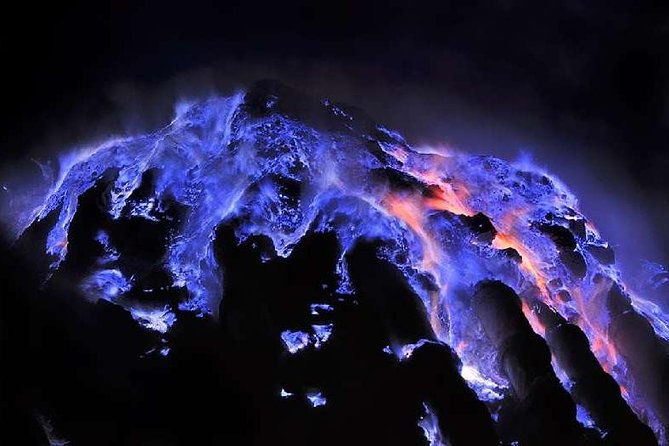
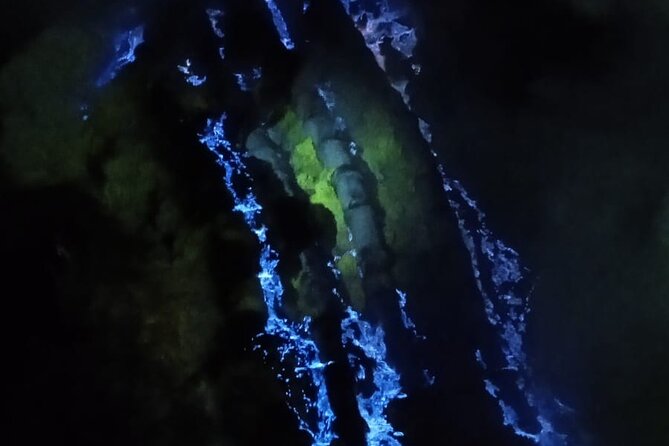
The headline here is blue fire—the famous glow from sulfur gases at Ijen. The catch (and it’s an important one): you’re not allowed to go down into the crater. Instead, you view the blue fire from the Ijen rim area, from an off-limit zone about 1 km from the crater.
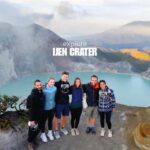
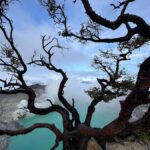
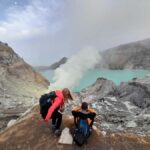
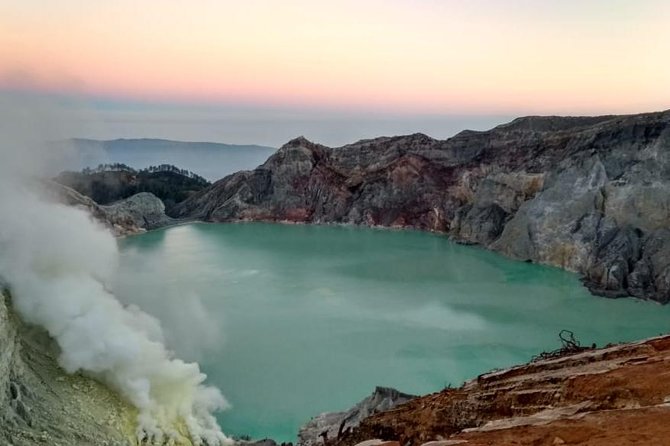
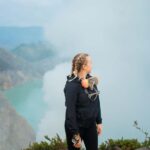
That rule changes how you experience the place. You’ll be there for the atmosphere and the phenomenon, not for stomping around the crater floor. In return, you get a safer, more controlled viewing setup, plus the chance to take in the turquoise crater lake from above—the “blue lagoon” look that makes people stop and stare even after the initial excitement fades.
On top of the color, you’re seeing a landscape shaped by chemistry. Ijen is known as one of the largest acidic lakes on earth, and it produces sulfur every day. That matters because it explains why the scene looks unreal: the crater is active, and the visual drama is part of that constant process.
Timing reality: what a 12–14 hour day feels like at Ijen
The tour length is listed at 12 to 14 hours. That sounds long until you remember the “night hike” part: you’re doing an early start, walking when visibility is low, and then traveling back out to Ketapang.
From the reviews, the pickup can be extremely early. One guest shared being picked up at 00:15, then driven to the start area that opens at 02:00. Another noted they were meant to start viewing around 2:30am, but access was closed due to toxic gas conditions at that time. Translation: the exact window can shift with on-site safety factors.
So plan your energy accordingly. Even if you’re fit, the experience is about endurance in cold, dark conditions and steady pacing while you keep your guide’s instructions in mind. The operator specifically says this depends on favorable weather conditions and that participants should have moderate physical fitness.
Stop-by-stop: what happens during the Ijen Crater portion
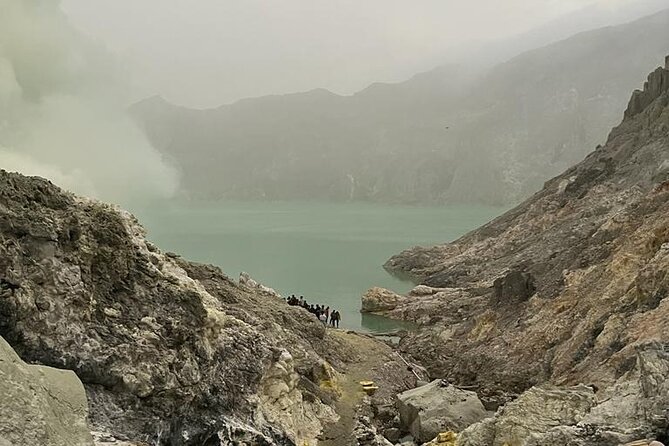
Your biggest block of time is the Ijen Crater visit, listed at about 4 hours, and it’s where all the drama happens.
Stop 1: Ijen Crater
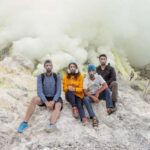
- You’ll hike at night to reach the viewing area on the rim.
- You’ll see the turquoise acidic lake and surrounding crater features.
- You’ll aim for blue fire viewing from the approved distance (you won’t go down to the crater).
Even if you think you know what blue fire looks like from photos, the real thing plays differently. At that distance, you’re looking for subtle movement and glow changes, and you’ll want a guide who can manage timing and positioning so you don’t miss the best moment. This is one reason the private setup matters: you’re not racing through the view as if it’s a checkpoint.
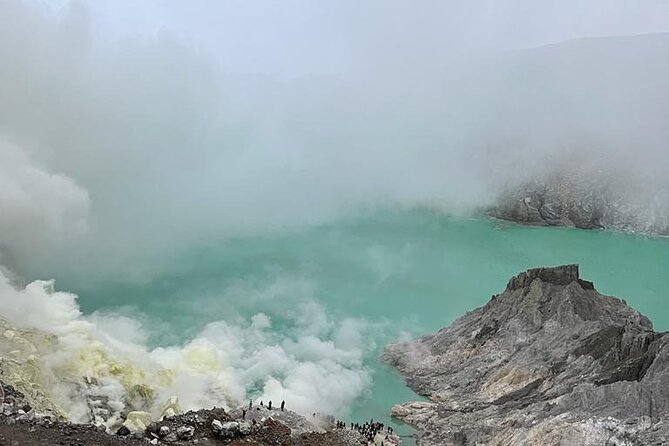
A practical note: conditions can affect the viewing window. One person described their blue fire timing being impacted by toxic gases. That doesn’t mean the tour is unreliable—it means nature runs the schedule. If the site feels unsafe at a certain moment, the plan can pause or shift.
Guides and drivers: why names matter and how that shows up in the experience
I like when a tour company can deliver competence, not just marketing. In the feedback you provided, several staff names come up clearly, and they show a pattern: safety-minded driving and energetic, attentive guiding.
- Driver Riko and guide Ekshal were praised for looking after a family and keeping things smooth.
- Driver Rizal and guide Yoga were highlighted for early pickup, safe driving, and handling a fast hiking pace.
- Guide Pebri was described as kind and knowledgeable during a late-April trip.
- Guide Jee was noted for caring for the group and making sure everyone stayed safe while timing the approach well.
You should treat those names as examples of what “good” looks like. You might not get the same people every time, but the consistency of what’s being praised—safety, energy, and attentiveness—signals what you’re buying with the private format.
The private hiking pace is also a big deal. When the tour says you can hike at the pace that’s right for you, that’s not just comfort. It reduces the stress of trying to keep up in the dark and helps you stay calm enough to actually enjoy the view when you arrive.
What you get for $65: value beyond the headline price
At $65 per person, you’re not just paying for a guide with a flag. The price includes:
- Private transport (driver + fuel)
- Breakfast
- Coffee break
- Bottled water
- Entrance ticket
That’s meaningful in Indonesia where transport and entrance fees can quietly add up. You also aren’t expected to manage meeting points or coordinate multiple ride transfers at odd hours. For a night hike, reducing friction is a form of value.
What’s not included:
- Lunches and dinner (you’ll need to handle those yourself)
- Tips for the driver and guide
- Travel insurance
- Personal expenses
So I’d budget for at least one meal on your own, depending on how the long day lands for your schedule. Also, set aside some money for tipping if the service is solid—this tour includes it as not included, and the work is real: early driving, guide attention, and navigating conditions at the rim.
Crowd and pace: private tour doesn’t always mean empty viewpoints
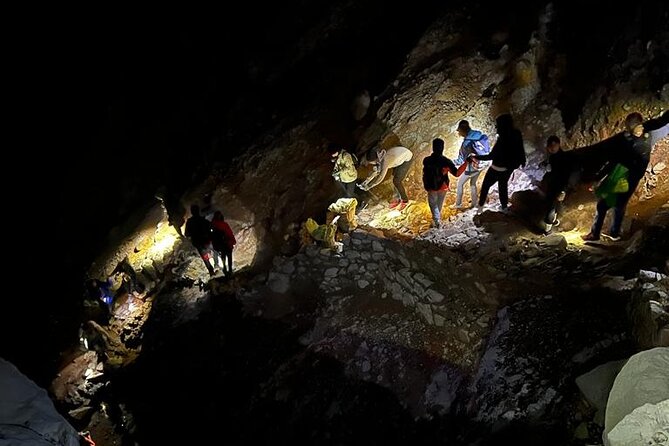
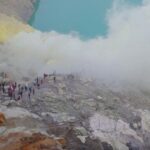
One tricky truth: Ijen is a famous stop. Even with a private tour, you can still encounter crowds at the rim viewing area because the phenomenon is shared in a limited space.
A review specifically called out that it was amazing but had too many people. That tells you what to expect emotionally: the scene can still be awe-inspiring, but it may not feel like a silent, private moment.
What you can control is your pace and your attention. The private guide helps you time the hike and settle into the viewing area in a way that reduces wasted waiting. If you’re the type who gets cranky when your view is blocked, consider that. If you’re more flexible and excited to watch the phenomenon unfold, the crowds won’t ruin the experience.
Health and fitness reality: who should go, and who should skip it
This tour is clearly not “easy sightseeing.” The operator lists several “not recommended” categories:
- Back problems
- Heart complaints or other serious medical conditions
- Asthma
- Acrophobia
- Hypothermia
- Vertigo, and similar conditions
It also says participants should have moderate physical fitness level and must have favorable weather conditions. Even if you feel tough, the combination of night hiking and uncertain conditions at an active volcano matters.
The good news is the guidance is straightforward. If you’re unsure, I’d treat the health restrictions as a decision tool, not a suggestion. If you fall into one of the flagged categories, you’ll likely get more enjoyment and less risk by choosing a different kind of trip that doesn’t require early, nighttime walking.
Children must be accompanied by an adult. So if you’re traveling with kids, plan on additional care and make sure your group can handle the physical and timing demands.
When blue fire viewing might change: toxic gases and early start flexibility
One of the most useful lessons from the reviews is that blue fire viewing depends on site conditions. One person described an attempt to see it that was closed at that moment due to too many toxic gases, which forced a change in the viewing plan.
The tour is designed for this reality. It’s built around the rim viewing distance and the idea that safety determines access. You’re still going for the main event, but you’re doing it with an operator that expects conditions to shift and handles that with local decisions.
So my advice is simple: don’t treat blue fire as a guaranteed photo moment. Treat it as a priority that’s worth going after. When it works, it’s unforgettable. When it doesn’t line up perfectly, you’re still visiting Ijen for the turquoise lake and the active crater environment from the approved rim.
Should you book the Ijen Crater private tour from Banyuwangi?
Book it if you want a private day that handles the hard parts: early transfers, driver+fuel, and having a guide who knows how to manage pacing in low visibility. I’d also book if you value what’s included—breakfast, coffee break, bottled water, entrance ticket, and transport—so the day feels organized instead of chopped into add-ons.
Skip it (or strongly reconsider) if night hiking and altitude-type discomfort are an issue for your body or health. The operator’s “not recommended” list is specific for a reason, and safety beats bragging rights. Also, if you hate waiting in crowds, you may find the rim busy at times even though your tour is private.
If you’re deciding on value, $65 is reasonable here because you’re not only buying a view. You’re buying a guided night climb with the right access rules, plus the practical logistics that make Ijen workable.
FAQ
Where does the tour start and end?
The tour starts in Banyuwangi Regency, East Java. It ends at Pelabuhan Penyebrangan Ketapang (Ketapang Harbour), with the option to finish around Banyuwangi City center.
How long is the Ijen Crater tour?
The duration is listed as approximately 12 to 14 hours.
Can I go down into the crater to see the blue fire?
No. You are not allowed to go down to the crater. You can see the blue fire from the Ijen rim, from the off-limit area about 1 km from the crater.
What’s included in the $65 price?
The tour includes private transport (driver + fuel), breakfast, a coffee break, bottled water, and the entrance ticket.
Is the tour suitable for children or people with medical conditions?
Children must be accompanied by an adult. It’s not recommended for participants with back problems, heart complaints or other serious medical conditions, asthma, acrophobia, hypothermia, vertigo, or similar issues.
Can I cancel for a full refund?
Yes, there is free cancellation. You can cancel up to 24 hours in advance of the experience’s start time for a full refund.