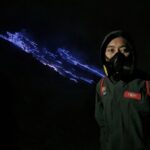
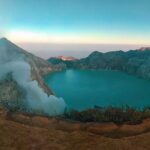
Blue fire at midnight sounds unreal, and it is. The Kawah Ijen Midnight Tour takes you from Banyuwangi into the dark so you can see the blue natural flame from burning sulfur, then be in position for sunrise. I also like the hands-on support: you get a private guide, plus a flashlight and gas mask to help you handle the crater area more safely.
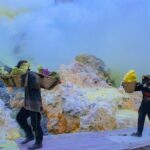
The other big win is what you learn along the way—how sulfur carriers haul rock for work on the mountain, including the reality of loads around 70 kg. One drawback to plan for: it’s a long, physically demanding hike, and if you go too slow on the way up, you can miss the best viewing window for the blue flames as crowds build.
In This Review
- Key things that matter on this midnight Ijen tour
- Price and what’s actually included for $61.54
- Midnight pickup in Banyuwangi (12:30 a.m.) and why it’s not random
- Ijen Crater at night: blue flame viewing plus a guide who manages the dark
- Getting the best blue flame: pace, timing, and crowd pressure
- Sunrise from the top: the payoff after the cold, dark climb
- The walk up and down: it’s hard, and the descent needs respect
- Safety gear and how to use it (without overthinking it)
- Transport: private car to the trailhead means less hassle at midnight
- What to pack for an 8-hour volcano night (and what you can leave)
- Who this private Kawah Ijen midnight tour is best for
- Should you book it? My decision checklist
- FAQ
- What time does the Kawah Ijen Midnight Tour start?
- How long is the tour?
- Is pickup included?
- Is this tour private?
- What safety gear and items are included?
- Are entrance fees included?
- Is food included, or should I bring my own?
- What if the weather is poor?
- How late can I cancel for a full refund?
Key things that matter on this midnight Ijen tour
- Private tour setup: only your group goes, with private transport and a guide.
- Safety gear included: a flashlight and a gas mask are provided for crater time.
- Timing beats luck: the departure is set for night viewing and sunrise on schedule.
- Stunning sulfur sights: you’re aiming for the blue natural flame, then sunrise from the top area.
- A real work-life lesson: you’ll hear about sulfur carrier life and heavy loads (up to ~70 kg).
- Bring your stamina: the walk up and down is long, with tricky footing in the dark.
Price and what’s actually included for $61.54
This tour runs about 8 hours and costs $61.54 per person. For that price, you’re not just buying a view—you’re buying logistics plus the parts that usually cause stress on volcano trips: private transport, a private guide, the entrance fee, and the safety basics (flashlight + gas mask).
That inclusion matters at Kawah Ijen. The crater area is not the place you want to improvise your timing or navigation in the dark. Having the guide handle the route and flow means you can focus on the important thing: getting to the right spots for the blue flame and then sunrise.
Food and drinks are not included. Plan to cover that yourself, because nobody is handing you a meal mid-hike.
You can also read our reviews of more tours and experiences in Banyuwangi.
Midnight pickup in Banyuwangi (12:30 a.m.) and why it’s not random
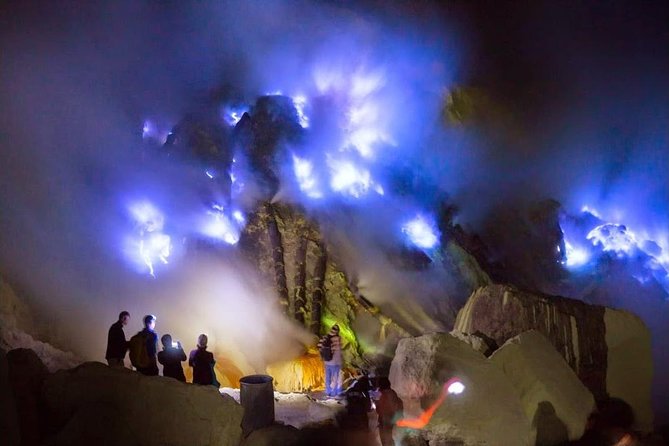
The day starts at 12:30 a.m. in the Banyuwangi area, and the experience ends back at the meeting point. That late-night start is the whole point. Kawah Ijen’s famous blue flame is a night phenomenon, and sunrise is the second big payoff later on.
This schedule also affects how you should prepare. You’ll want to be ready before pickup, not scrambling in the last minutes. Wear warm layers and expect cool night air and early-morning chill, especially during the hours you’ll spend waiting for the right light.
Also, this tour is weather-dependent. If conditions aren’t suitable, the operator will offer another date or a full refund. That’s a smart setup for an outdoor trip where the goal is visibility and safe footing.
Ijen Crater at night: blue flame viewing plus a guide who manages the dark
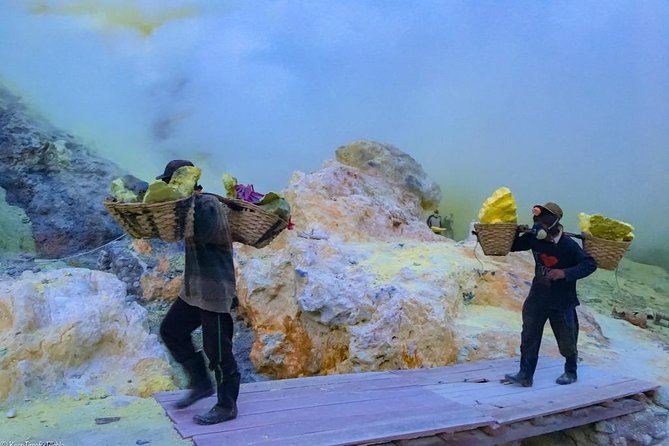
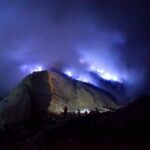
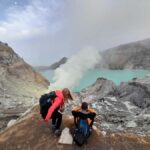
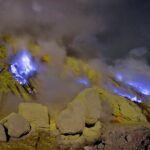
Once you’re at the Ijen crater area, the core experience begins: the blue natural flame. It happens because of burning sulfur, and seeing it up close is the main reason people make this early start.
The tour includes a guide for a reason: going in the dark without local help is how people get off track or fall behind at the wrong time. With a flashlight provided and a guide leading the timing, you can keep moving without turning the hike into a coordination problem.
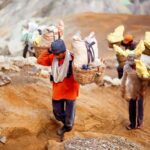
You’ll also get context that turns the view into something more meaningful. You’ll learn about the lives of sulfur stone carriers, including that many carry loads around 70 kg on their shoulders. It’s not just “volcano scenery.” It’s a look at a work system built on dangerous, hard labor.
Getting the best blue flame: pace, timing, and crowd pressure
Night viewing can be a race against time, and it’s not only about being early. It’s about pace and positioning. The hike up is long, and if you go too slow, you might arrive after the moment has passed—especially when crowds build and viewing becomes more competitive.
Here’s the practical advice I’d follow: keep a steady rhythm on the way up. Don’t sprint, but don’t dawdle either. Let your guide set expectations and match the group pace, because the goal is the blue flames, and that window depends on getting to the right place while conditions are still good.
If your group is small, the guide can often manage the flow better, but the reality stays the same: you’re hiking at night, and timing matters more than speed for its own sake.
Sunrise from the top: the payoff after the cold, dark climb
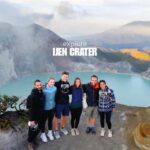
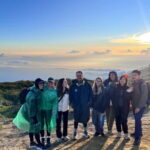
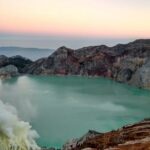
After the blue flame viewing, the trip shifts toward the sunrise moment. Sunrise is listed as part of the highlights, and it’s a big part of the emotional payoff—because you’re earning it with hours of effort, cold waiting, and careful movement over dark terrain.
What you should expect is a change in atmosphere. The crater experience starts with deep night darkness and visibility challenges. As dawn approaches, the view gets clearer and the atmosphere shifts from intense, focused looking to a broader sense of place.
To make sunrise comfortable, plan your layers. Food isn’t included, so it helps to have your own water and snacks so you don’t hit the point where low energy makes you grumpy or clumsy on the return.
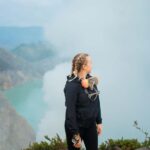
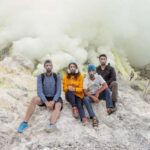
The walk up and down: it’s hard, and the descent needs respect
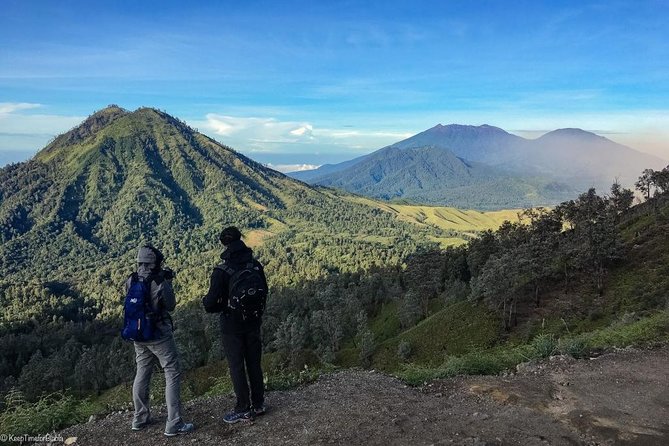
This tour is best for people with moderate physical fitness, and you should treat that as a real warning label. The experience involves hiking up and then walking back down, and the terrain is stony and dark at key parts.
The good part: with the guide and your flashlight, you get help negotiating the trickier sections. In some groups, guides known for being especially mindful help people reach the crater safely and guide them through narrow, rough sections during the night.
The not-so-good part: a difficult descent is part of the package. One note is that the descent route can feel dangerous or risky, and that’s something to take seriously. If you’re the kind of person who struggles with uneven ground in low light, you’ll feel it here.
My best practical tip: keep your focus on your footing on the way down. Speed is not the goal. If you get tired, slow down early. That’s how you avoid the little slips that turn a tough hike into a bad memory.
Safety gear and how to use it (without overthinking it)
You’ll receive a gas mask and flashlight as part of the tour. That’s a major value add because it reduces the guesswork of what you need to bring and whether you should rent something locally.
Use the flashlight the way your guide shows you. In the dark, the difference between “having light” and “seeing the ground well” is huge. Keep it angled so you’re checking the surface before you step, not just scanning for sights.
About the gas mask: it’s included, so you don’t need to source it. Still, treat it as part of the physical demands of the hike. If you feel off, speak up. The guide is there to keep the group safe and on track.
Transport: private car to the trailhead means less hassle at midnight
You get private transport from your Banyuwangi-area pickup to the Kawah Ijen route, and then you return to the meeting point at the end. That matters because midnight travel can drain energy before the hike even starts.
Private transport also fits well with a private tour format: you’re not waiting around for extra stops or time wasted with multiple pickups. Your group leaves as a unit, and the guide can plan the timing around your pace.
There’s also a small but real human factor mentioned in feedback: some drivers have been described as helpful with extra practical needs like train tickets and money exchange. That’s not something to count on for every departure, but it signals that the team can be more than just a driver who drops you at the gate.
What to pack for an 8-hour volcano night (and what you can leave)
Because food and drinks aren’t included, pack your own basics. Bring water and snacks you can eat while staying warm and not rushing. You’ll likely want warm layers for the pre-dawn hours, plus something that blocks wind during waiting time.
For clothing, prioritize comfort and grip. The climb and descent are on rough, stony ground. Wear sturdy shoes that keep your feet stable.
Since the tour provides a flashlight and gas mask, you don’t need to bring those exact items. But do bring a small personal kit: something for cold hands, and a way to keep your essentials secure during the hike.
Who this private Kawah Ijen midnight tour is best for
This tour is a great fit if you want the classic Kawah Ijen experience with built-in safety and timing. It’s especially good for you if:
- you like having someone manage the dark navigation and pacing
- you care about understanding sulfur mining life, not just taking photos
- you want a private tour where only your group participates
It’s less ideal if:
- your physical fitness is limited and long hiking in the dark will be a struggle
- you feel uneasy on steep, stony descents
- you hate early starts and plan to treat this as a casual stroll
The private format can be a big benefit for couples and small groups who want control and quiet focus rather than a big crowd moving at random speeds.
Should you book it? My decision checklist
Book this tour if you want blue flame viewing plus sunrise with the heavy-lifting logistics handled for you—transport, guide, entrance, and key safety gear. The $61.54 price makes sense when you factor in those inclusions, because you’re paying for fewer unknowns and less coordination work at midnight.
Think twice if you know you’ll struggle physically or on uneven dark terrain. The hike is part of the deal, and the payoff is worth it only if you can handle the effort and keep your footing under control.
If you’re ready for a tough night hike and you want to see the sulfur story with real-world context, this is a solid choice. Just plan to treat it like an activity, not a short sightseeing stop.
FAQ
What time does the Kawah Ijen Midnight Tour start?
The start time is 12:30 a.m.
How long is the tour?
The duration is about 8 hours (approx.).
Is pickup included?
Yes. Pickup is offered from the Banyuwangi area, and the tour ends back at the meeting point.
Is this tour private?
Yes. It’s listed as a private tour/activity, so only your group participates.
What safety gear and items are included?
You get a flashlight and gas mask provided.
Are entrance fees included?
Yes. Entrance fees are included.
Is food included, or should I bring my own?
Food and drink are not included, so you’ll need to plan your own snacks or meals.
What if the weather is poor?
This experience requires good weather. If it’s canceled due to poor weather, you’ll be offered a different date or a full refund.
How late can I cancel for a full refund?
You can cancel for a full refund if you cancel up to 24 hours in advance of the experience’s start time.