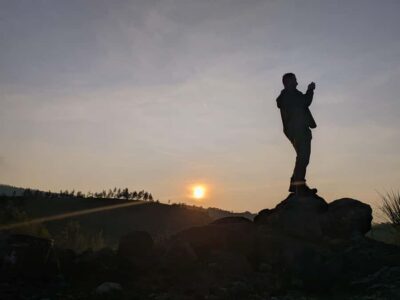
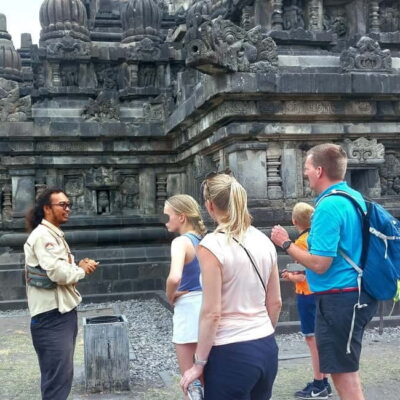
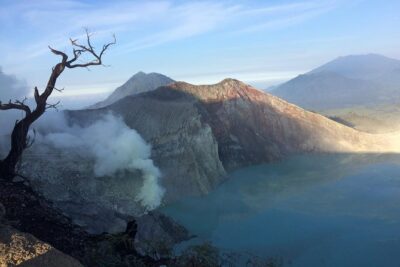
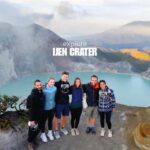
Two volcano sunrises, two wild mornings. I like how this plan gives you Bromo sunrise first and Ijen crater second, with real on-the-ground support like a local Ijen trekking leader and a gas mask. One thing to watch: meals are not included, so the schedule’s food stops can still leave you paying out of pocket.
This is a packed 2 days across Java and on to Bali. What you’re paying for is mostly the logistics—jeep transport for Bromo, entrances, ferry tickets, and a full handoff to Bali drop-offs. The upside is convenience; the trade-off is early starts and a long ride day, especially after Bromo.
Also note a big timing rule: Ijen is closed every first Friday of the month. If your dates land on that day, your trek may not run.
In This Review
- Key points worth knowing before you go
- Two volcano sunrises in 48 hours: how the timing really feels
- Malang midnight pickup to Bromo jeep access: the first leg of the day
- Bromo sunrise walk and crater time: what you’re actually signing up for
- Cemoro Lawang breakfast window: why you should plan for food
- Bromo to Banyuwangi (6–7 hours): the long ride that makes the next day possible
- Paltuding at 1:30–2:00 am: the Ijen briefing and trek pace
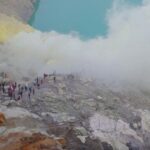
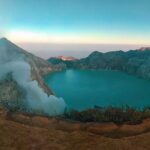
- Sunrise point on Ijen: what to expect from 4:00 to 6:30
- Ijen to Ketapang harbor, ferry to Gilimanuk, and drop-off in Bali
- Price and value: $166 for transport, entrances, guide, and ferry
- What can go wrong (and how to handle it)
- Who this tour is best for
- Should you book this 2D/1N Bromo Sunrise and Ijen combo?
- FAQ
- What does this 2-day tour include?
- How much is the tour?
- How long is the tour?
- When are the pick-ups for Bromo and Ijen?
- What time do you arrive at the Bromo parking area for sunrise?
- How long is the Ijen trek and how far is it?
- Do I get a gas mask and health certificate for Ijen?
- Is the Ijen crater always open?
- Is breakfast, lunch, or dinner included?
- Do you drop me directly at my Bali accommodation?
Key points worth knowing before you go
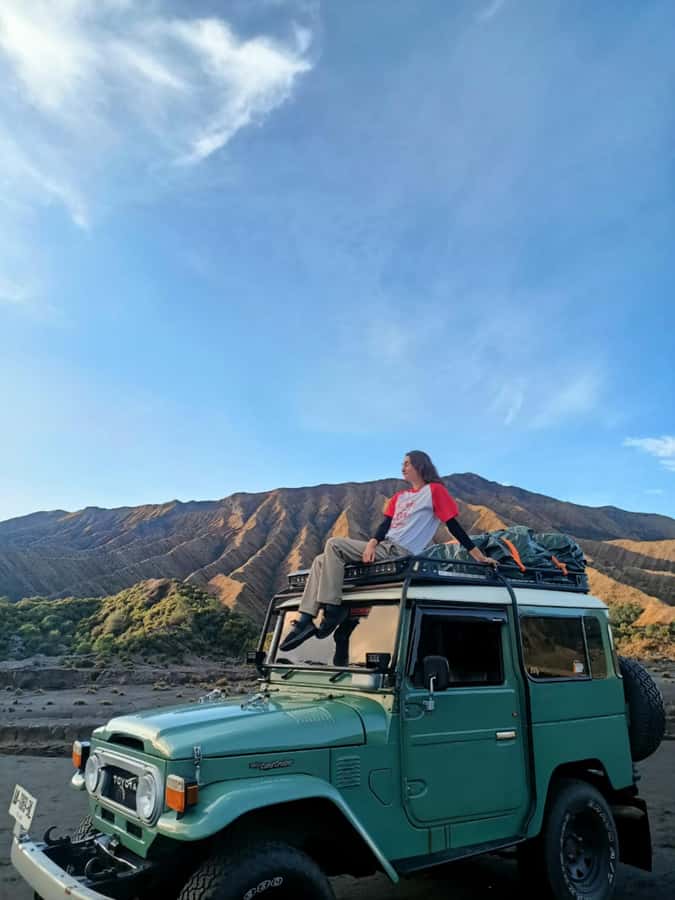
- Midnight pickups and an early Bromo walk make the sunrise possible without heroics.
- Jeep to the Bromo area plus crater time gives you more than a quick look.
- A local Ijen trekking leader and a gas mask are included for the crater part.
- 4 km (about 1.5–2 hours) up to the Ijen sunrise point sets the pace clearly.
- Free ferry to Bali (Gilimanuk) and many free drop-off zones save you hassle.
- Ijen closure on the first Friday can affect departures—double-check dates.
Two volcano sunrises in 48 hours: how the timing really feels
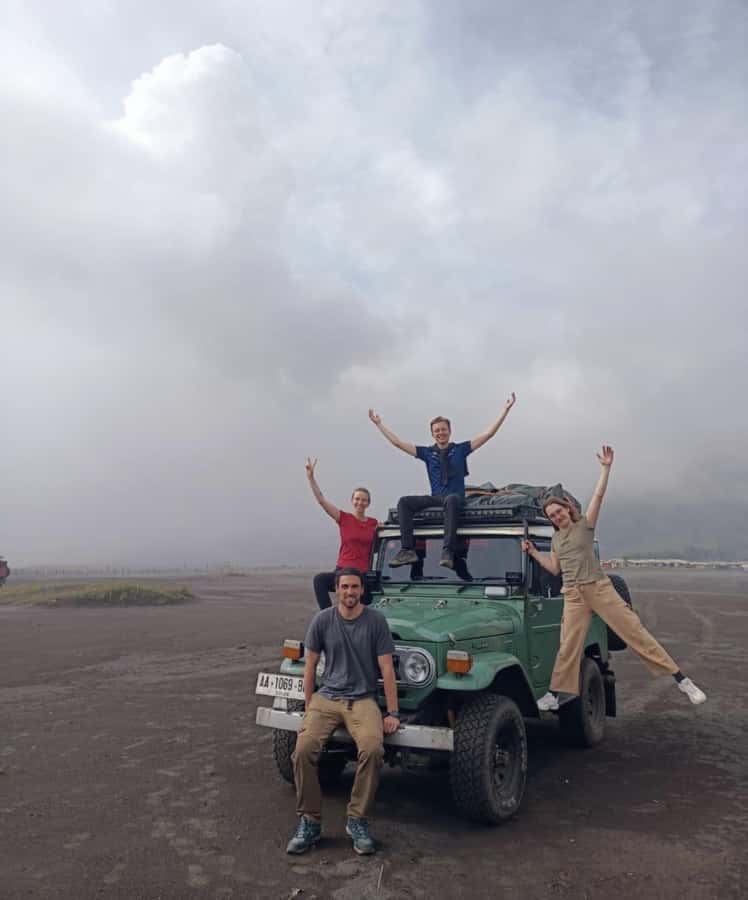
This tour is built around the only time you can reliably enjoy Bromo and Ijen: before sunrise. That means your day begins at night—literally. If you’re the type who hates being awake before coffee, you’ll feel it. If you’re okay with short sleep and cold air, it’s exactly the right trade.
The flow is also smart. Day 1 focuses on Bromo, then you get transported to Banyuwangi for your one overnight stay. Day 2 starts at midnight for Ijen and ends with a ferry hop to Bali, plus a car ride to your drop-off area. You’ll be moving a lot, but it’s mostly organized movement, not “figure it out yourself.”
I like that the itinerary is explicit about timing windows—like the walk to Bromo viewpoints and the trek distance to Ijen. That clarity helps you plan what you pack and how you pace yourself.
The main consideration is endurance: two night starts in a row. Also, meals aren’t included, so plan around hunger like a grown-up. Bring snacks you can actually eat while you wait.
You can also read our reviews of more tours and experiences in Banyuwangi.
Malang midnight pickup to Bromo jeep access: the first leg of the day
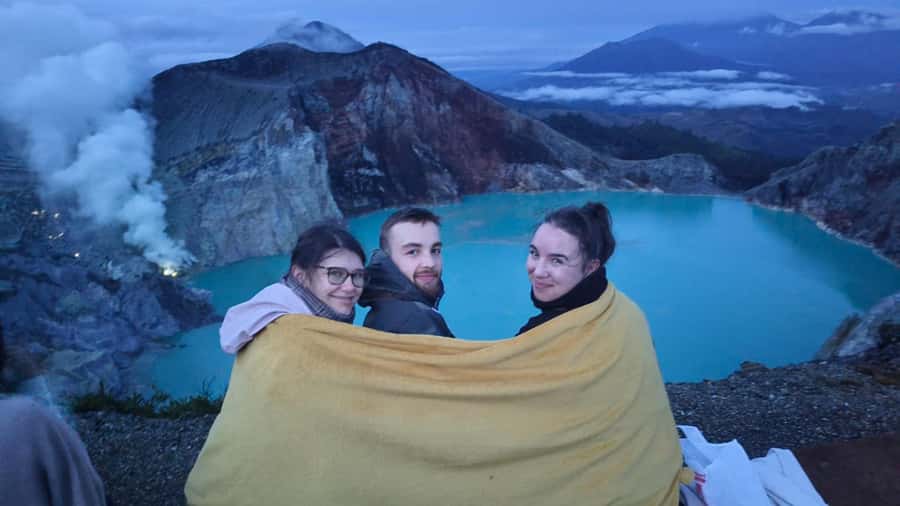
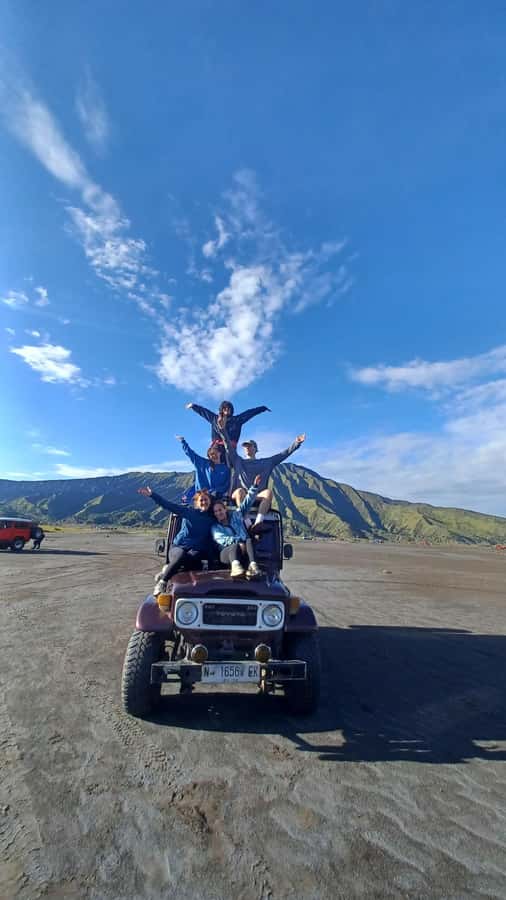
Day 1 begins with a pick-up from your Malang accommodation around 00:00, then the group heads toward Bromo via the Malang entrance by jeep. You’re not driving straight into the viewpoint. You’re getting positioned—early—so you can be at the right place before the walk begins.
You arrive at the parking area around 3:45–4:30. That gap matters. It gives you time to get sorted—layers on, shoes ready, maybe a quick bathroom stop if available. Then you start walking to the sunrise viewpoint at about 4:30, with the sunrise view scheduled through roughly 6:00.
Why this matters for you: the Bromo area can get crowded, and sunrise viewing spots are all about timing. A tour that’s early enough helps you avoid the late scramble.
One practical note: transport reliability varies with any overland tour in remote terrain. In at least one case, the vehicle had issues during the day, which turned the trip less smooth. So if you’re the type who plans your entire day around zero delays, keep expectations flexible.
Bromo sunrise walk and crater time: what you’re actually signing up for
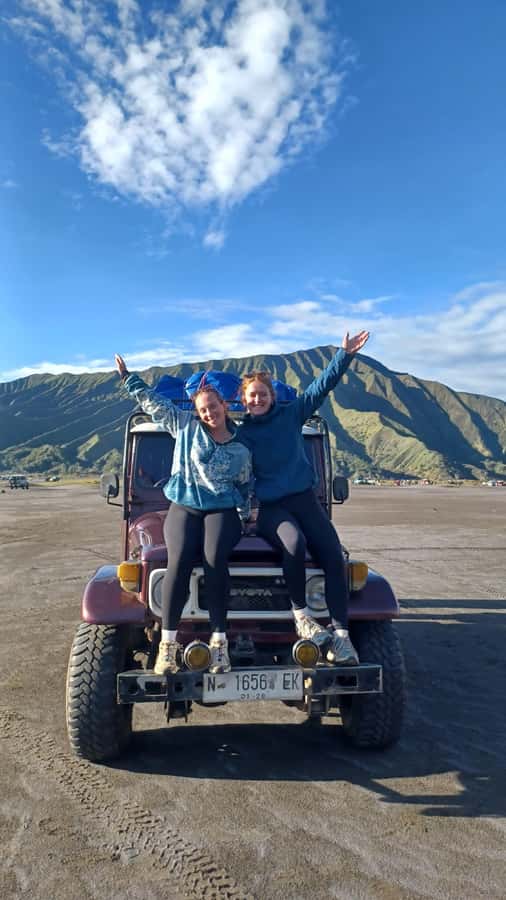
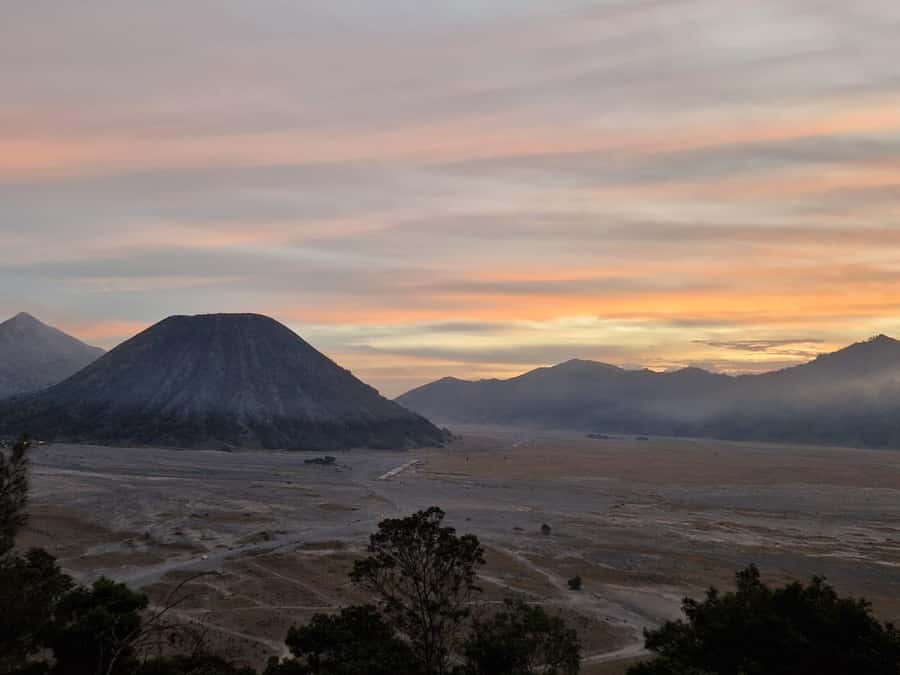
The Bromo portion is the kind of experience where the schedule is the product. You walk from the parking area to the sunrise viewpoint between 4:30 and 6:00. That’s long enough to feel it if you’re underdressed, but short enough that you don’t need to be a mountaineer.
Once sunrise happens, you don’t just stand there and leave. The plan brings you back down to the parking area around 6:00–8:30, then you climb up toward Bromo crater for about 1 to 1.5 hours of viewing time.
Here’s what this means in real-life terms:
- You get both the wide sunrise moment and the closer crater experience.
- You also get downtime in the schedule between viewpoints, which helps if you’re cold or wind-burnt.
- You won’t be stuck only on the viewing platform. There’s movement, but it’s structured.
If you want to maximize your photos, the crater time is where you can slow down and look around. Sunrise is dramatic, but the crater views are where details show up. Pack a warm layer you can handle wind in, because mornings near Bromo can feel sharp.
Also, the itinerary calls for returning to the parking area around 9:00. After that, the jeep takes you onward to a transit area, and you’ll transition into the longer travel day.
Cemoro Lawang breakfast window: why you should plan for food
After Bromo, you’ll reach Cemoro Lawang around 9:30 for a breakfast window and waiting time before the shuttle. The tour schedule clearly includes this pause. But the cost side is important: meals are not included, so breakfast isn’t automatically solved by the itinerary.
This is exactly where you should be proactive. If you arrive hungry and wait for food that costs extra, your budget can surprise you. I recommend bringing snack options you can eat quickly (and that won’t melt) so the middle of the morning doesn’t turn into a vending-machine hunt.
The timing also means you’ll feel the day’s fatigue building. You’ve been awake since the early hours. So think of Cemoro Lawang as recovery time, not a full meal plan.
Bromo to Banyuwangi (6–7 hours): the long ride that makes the next day possible
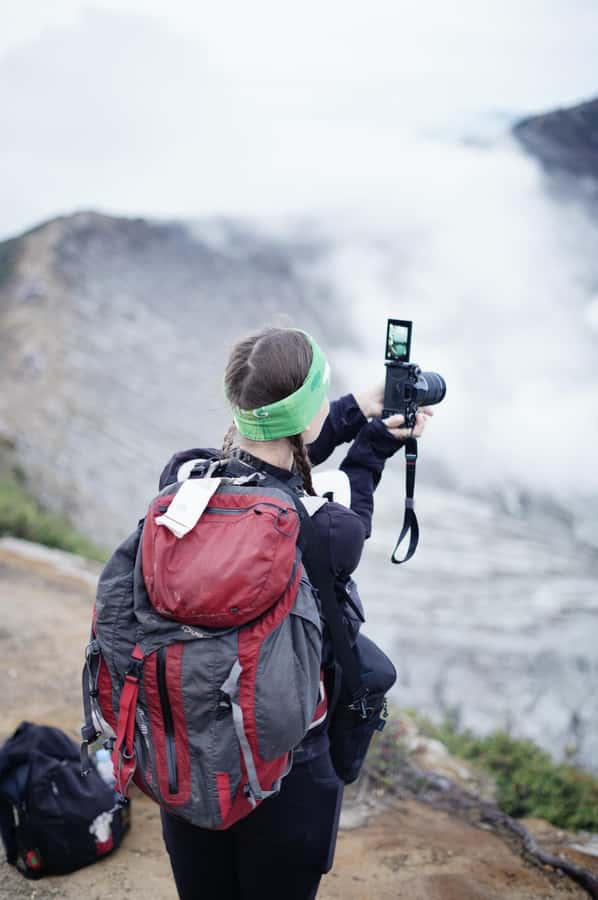
From Cemoro Lawang, you start heading toward Banyuwangi around 10:30, and it takes about 6–7 hours. You arrive around 7:00–7:30 pm, then settle into your overnight stay.
This is a long, tiring transfer. The upside is that it positions you close to Ijen for an early start without you having to navigate. The downside is that your body might want to collapse immediately.
Your overnight accommodation is dormitory type in Banyuwangi for one night. In one reported setup, the stay was a four-person room, so it’s basic and shared. If you’re sensitive to noise or prefer privacy, budget that expectation now.
Practical move: if you can, sleep as soon as you arrive. Day 2 starts at 00:20, and there’s no warming up time.
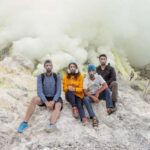
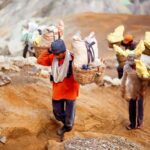
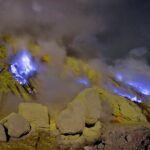
Paltuding at 1:30–2:00 am: the Ijen briefing and trek pace
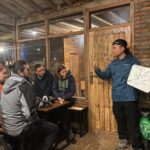
Day 2 is the night start for Ijen. You’re picked up from your accommodation around 00:20–00:45 and travel to Paltuding post, arriving around 1:30–2:00. At Paltuding, you’ll get a briefing with a local Ijen trekking leader.
That briefing is more than formalities. A local leader’s job is to manage timing, route flow, and safety expectations. You’ll then start trekking from roughly 2:00 to 4:00.
The trek distance is about 4 km, and the tour notes it normally takes 1.5–2 hours. That’s a helpful benchmark. You’ll likely feel the early hour and the unevenness of volcanic terrain, but the time estimate keeps it from being a mystery grind.
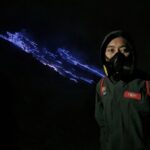
Also included: a health certificate for Ijen and a gas mask. That’s a big value-add. It means you’re not scrambling to source gear right before walking into a crater area.
Pack-wise, plan for cold and wind. And if gas masks are provided, make sure you’re comfortable adjusting it once you’re in the line-up.
Sunrise point on Ijen: what to expect from 4:00 to 6:30
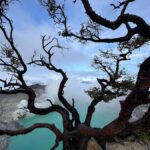
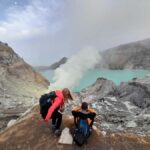
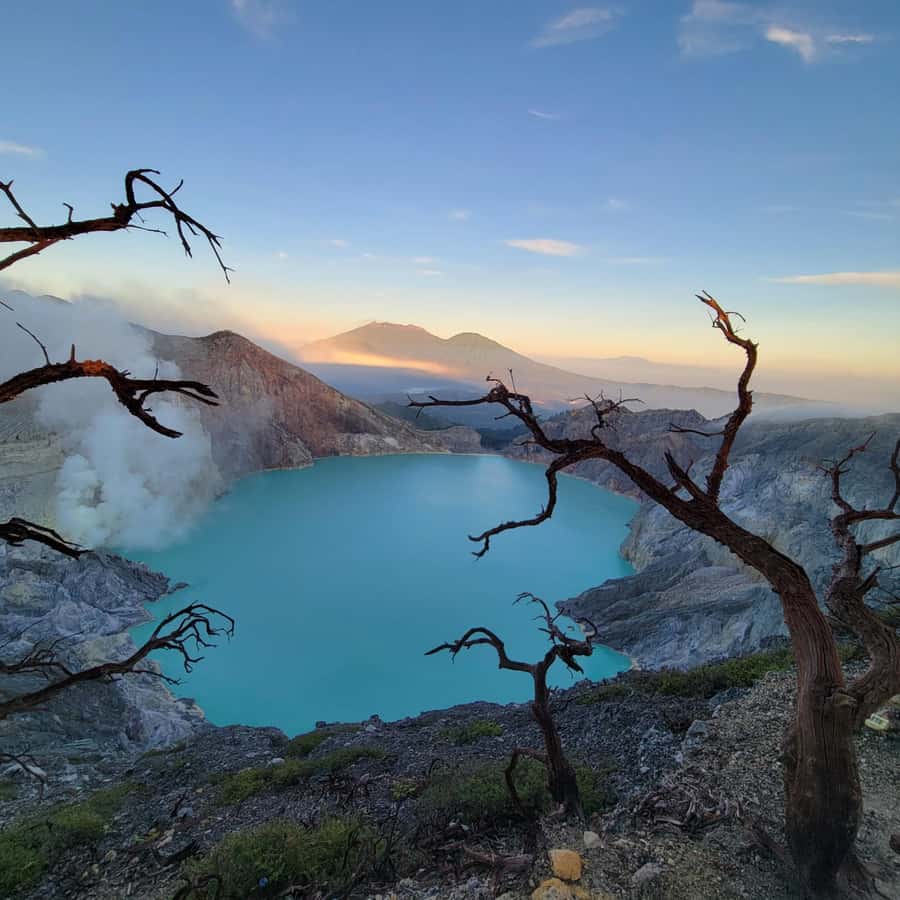
You reach the summit area to go to the sunrise point between 4:00 and 6:30. That timing gives you a window to wait for sunrise and then spend time exploring the Ijen views.
The schedule includes 4:00–6:30 for the sunrise point and crater exploration. Then you return to basecamp from 6:30 to 8:00, finishing back at the base around 8:00.
This part of the tour rewards patience. You’re walking in the dark, reaching the top, and then waiting for light. If you dislike waiting, you may feel annoyed. But if you can handle slow time for the payoff, this is the heart of the whole trip.
And you’ll want to be ready for logistics afterward. Once you’re down, there’s no long recovery feast built in. The plan moves quickly.
Ijen to Ketapang harbor, ferry to Gilimanuk, and drop-off in Bali
After getting back to basecamp and returning to your accommodation around 9:00, you’re scheduled for rest and check-out from 9:00 to 11:00. Then you depart 11:00 to Ketapang harbor, arriving around 11:30 for the ferry crossing to Gilimanuk harbor in Bali.
You cross by ferry, and the Bali pickup time is around 13:30 (Bali time). After pickup by car, you drive to your chosen address.
This is the part many combo tours get sloppy, but here it’s mapped out tightly: sunrise on Ijen, back by late morning, then direct transport to the ferry, then onward to Bali. If you’re trying to squeeze Indonesia’s highlights into a short window, this structure matters.
Two important transfer notes for you:
- For bookings with minimum 2 people, there’s free Bali drop-off across a long list of areas (including Denpasar, Sanur, Kuta, Seminyak/Legian, Ubud, Canggu, Amed, Uluwatu, and more).
- If you’re joining as a single person, the tour indicates you can only get free drop-off up to Gilimanuk harbor, unless you pay an extra 400–500K to go directly to your accommodation. It also notes that if another single traveler joins, they can arrange free drop-off for you too.
So your Bali location decides how smooth the ending feels.
Price and value: $166 for transport, entrances, guide, and ferry
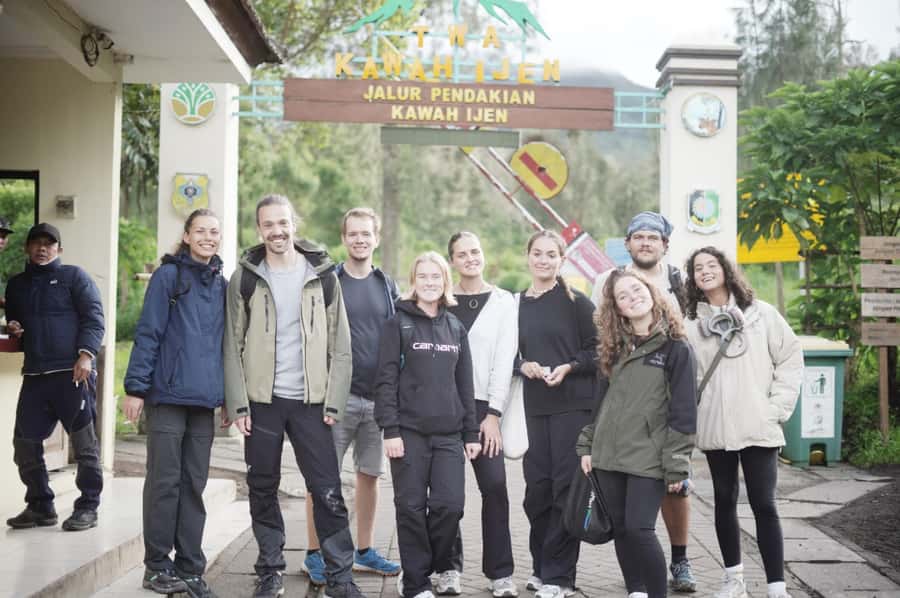
At $166 per person for 2 days, the headline cost feels reasonable only if you like the structure. This price covers a lot that you would otherwise pay separately: transport across both days, the jeep for Bromo, entrance fees for Bromo and Ijen, a local Ijen trekking leader, one night in Banyuwangi (dormitory type), and the ferry tickets to Bali.
What’s not included is what often hits people later: meals. The itinerary includes meal time windows, but it’s not a full board package. So you should budget extra for breakfast and other meals.
Here’s how to judge value for yourself:
- If you hate negotiating transport between Malang, Bromo, Banyuwangi, Ketapang, and Bali, you’re paying to avoid that chaos.
- If you’re already in the region and comfortable building your own plan, you might be able to do it cheaper. But you’d also be doing more legwork at the exact times when coordination matters most.
One more value factor: gear and safety support. The gas mask and health certificate included for Ijen can save both money and stress. That’s not a small line item when you’re already paying for timing and transport.
What can go wrong (and how to handle it)
No tour is perfect, and the terrain doesn’t care about anyone’s calendar. A couple of practical risks based on what’s known about the operation:
1) Vehicle hiccups can happen. One booking reported the car often breaking down and needing self-paid food. If you’re unlucky, you may lose time or comfort. You can’t prevent that, but you can reduce the impact with snacks and a flexible mindset.
2) Dorm accommodation means sharing. It’s a dormitory setup in Banyuwangi, and at least one reported stay was a four-person room. That can be totally fine for many people, but it’s not a private hotel.
3) Meal expectations should be low. Even with meal windows in the itinerary, meals aren’t included. Bring snacks, and don’t count on food being automatically handled at every stop.
How you protect your experience:
- Carry snacks and water if possible for waiting periods.
- Dress in layers for both cold sunrise mornings.
- Plan for basic sleep in a shared dorm.
- Keep your Bali drop-off expectations realistic, especially if you’re traveling solo.
Who this tour is best for
This combo tour is best if you want a tight, guided itinerary that hits two headline volcano experiences in one go: Bromo sunrise + Ijen sunrise. You’ll enjoy it most if you’re comfortable with early starts, shared accommodation, and a schedule that prioritizes timing over comfort.
It’s especially good for:
- First-timers to Bromo and Ijen who don’t want to piece together transport at midnight.
- People who like clear plans and know exactly when walking starts.
- Travelers who are okay spending extra for meals because meals are not included.
It may not fit you if:
- You need private accommodation and quiet sleep.
- You get stressed by possible vehicle delays.
- You hate cold mornings and standing/waiting for sunrise.
Should you book this 2D/1N Bromo Sunrise and Ijen combo?
If your dream trip is sunrise at Bromo, then sunrise at Ijen, and you want a guided setup that takes you all the way to Bali with ferry included, I think this is a sensible option. The value is in the logistics: entrances, jeep access, local guiding for Ijen, gas mask support, one night in Banyuwangi, and the ferry handoff.
Before you book, do two quick checks:
- Confirm your travel dates aren’t on a month’s first Friday, since Ijen is closed then.
- Decide if your Bali address fits the free drop-off areas. If you’re a solo traveler, the ending may be a lot smoother if you know whether you’ll be dropped at Gilimanuk harbor or taken farther with the extra charge.
If you’re okay with basic lodging, cold starts, and handling meals yourself, this tour can deliver exactly what you came for: two volcanic sunrises without the hassle of coordinating it all.
FAQ
What does this 2-day tour include?
It includes all transportation during the trips (pick-up in Malang through drop-off in Bali), a jeep for Bromo, entrance fees for Bromo and Ijen, a local Ijen trekking leader, 1 night accommodation in Banyuwangi (dormitory type), a health certificate for Ijen, a gas mask, free tickets to Gilimanuk harbor in Bali, and free Bali drop-off for many regions if the tour meets the minimum group requirement.
How much is the tour?
The price is listed as $166 per person.
How long is the tour?
The duration is 2 days (2D/1N).
When are the pick-ups for Bromo and Ijen?
For Bromo, pick-up is at your accommodation in Malang around 00:00. For Ijen, pick-up is from your accommodation around 00:20–00:45.
What time do you arrive at the Bromo parking area for sunrise?
You arrive at the parking area around 3:45–4:30.
How long is the Ijen trek and how far is it?
The trek is about 4 km and normally takes around 1.5 to 2 hours.
Do I get a gas mask and health certificate for Ijen?
Yes. A health certificate for Ijen and a gas mask are included.
Is the Ijen crater always open?
No. Ijen is closed every first Friday in the month.
Is breakfast, lunch, or dinner included?
No. Meals during the trip are not included.
Do you drop me directly at my Bali accommodation?
For bookings with minimum 2 people, free drop-off is available for many Bali regions listed. If you join as a single traveler, it’s free only up to Gilimanuk harbor; otherwise there is an extra charge of 400–500K to drop off directly at your accommodation.