This volcano hike is all about timing and atmosphere. You get a sunrise-ready trek plus the iconic turquoise crater lake view, and it’s also a chance to see sulfur miners and hear how their work supports (and strains) daily life. One thing to plan for: since recent tremors, you may not be able to get near the crater, so the blue fire view can be limited by safety rules and conditions.
I also like that the pace fits people who want “active but doable.” You’re in the easy-to-moderate range on a steep, active volcano route, with enough time on the viewing side to settle into the sunrise. The main drawback is simple: it’s early, it’s dark for a while, and it’s not a relaxed walk.
In This Review
- Key things I’d circle before you book
- Mount Ijen Blue Fire: Why this hike feels different
- From Bali or Banyuwangi: how the day’s route really works
- Midnight start and the ferry rhythm: what your first hours feel like
- Basecamp coffee, safety rules, and your first chunk of hiking
- The crater run-up: turquoise lake views and sunrise waiting time
- Blue fire at Ijen: the rules that decide what you actually see
- Coming down and getting back: the second half of the day
- Price and value: what $35 really buys you
- Who should book this Mount Ijen trek (and who should not)
- When I’d book and when I’d rethink it
- Should you book Mount Ijen Blue Fire Hiking?
- FAQ
- What’s the typical duration of the Mount Ijen Blue Fire hiking tour?
- Do I need to choose Bali or Banyuwangi for the pickup?
- Is ferry included in the itinerary?
- When do you get to the Ijen area?
- How long do you spend walking or hiking at Ijen?
- Can you still get close to the blue fire at the crater?
- What’s included for safety on the hike?
- What’s provided at basecamp?
- Are there limits on who can join?
- Is Ijen always open for visits?
Key things I’d circle before you book
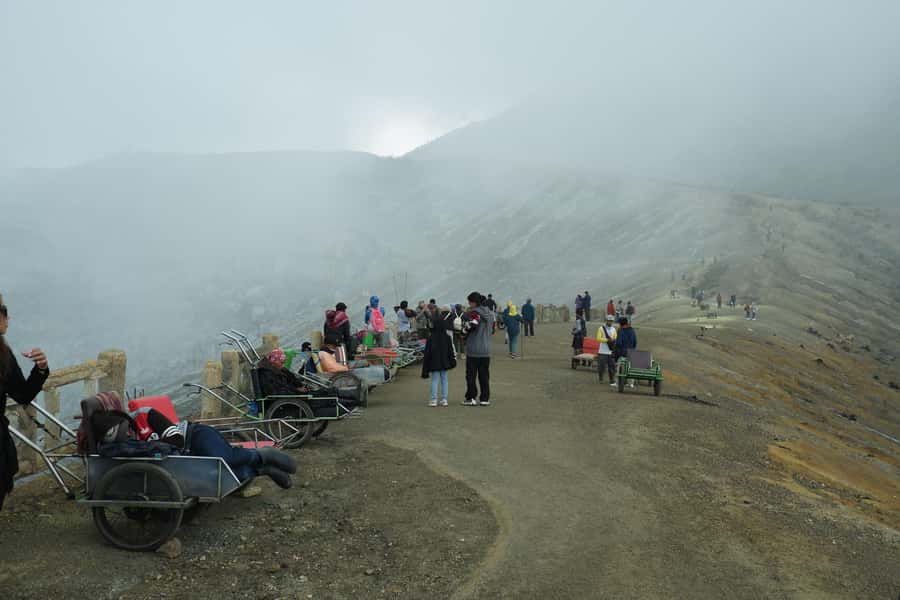
- Blue fire visibility depends on safety distance: you can sometimes spot it from about 500 meters if the flame is big enough and weather helps
- Guided sunrise timing: you spend real time at the crater area to catch morning light
- You’ll meet the human side of Ijen: you’ll observe sulfur miner activity and learn their story, including how low-paid the work can be
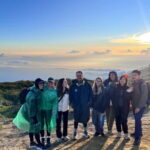
- Small-group hike: easier logistics, fewer crowd problems than big tours
- Ferry + transfers: the full Bali–Java routing is part of the experience, not an optional extra
- Prep matters: masks, flashlights, and a safety briefing help you handle night hiking and crater conditions
Mount Ijen Blue Fire: Why this hike feels different
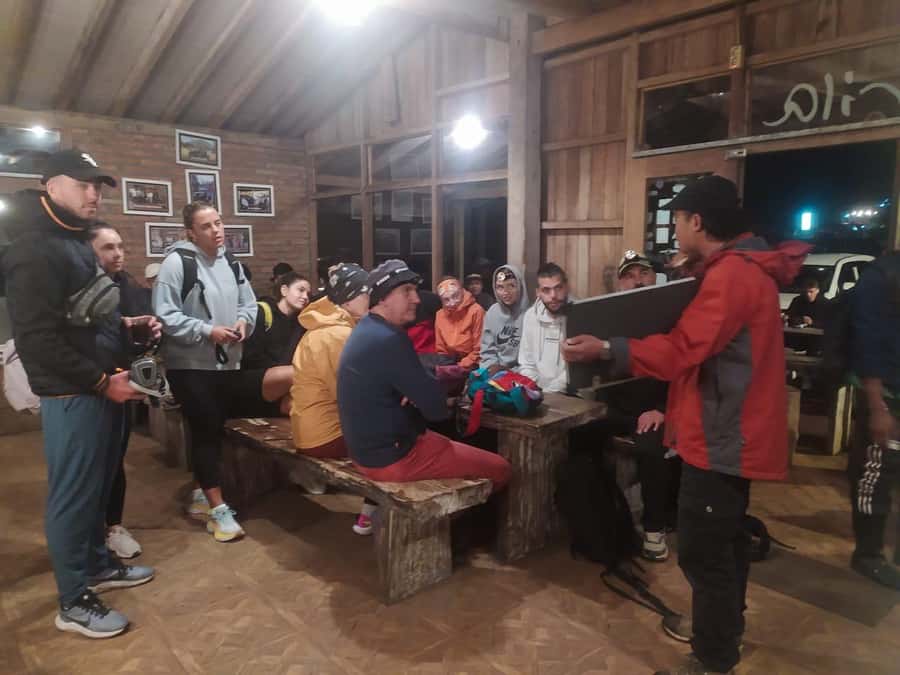
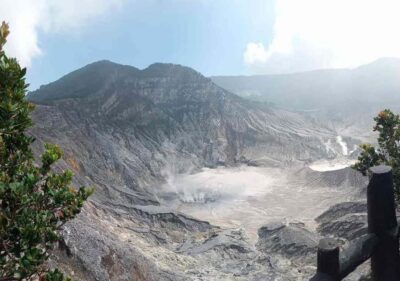
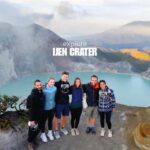
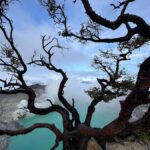
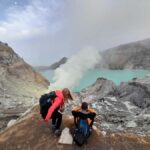
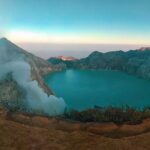
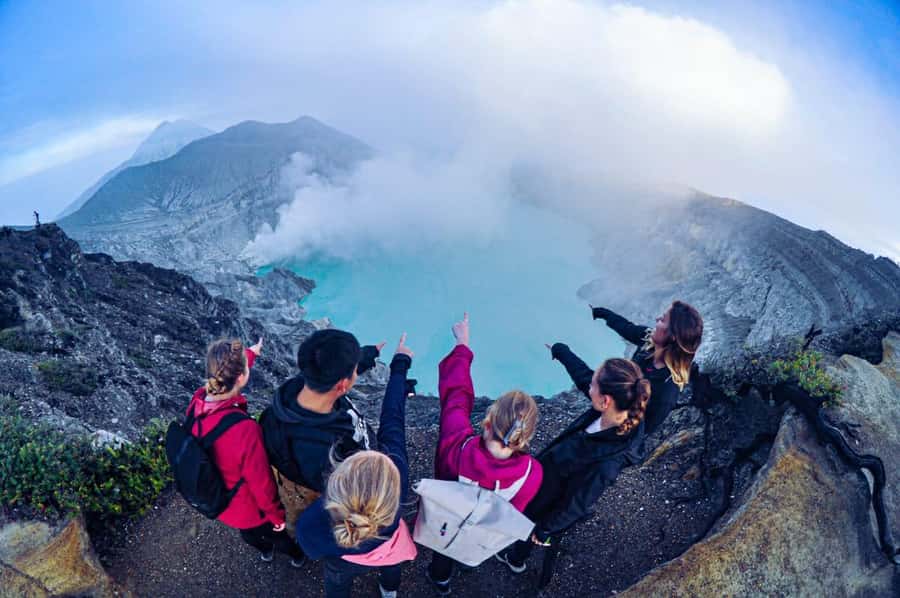
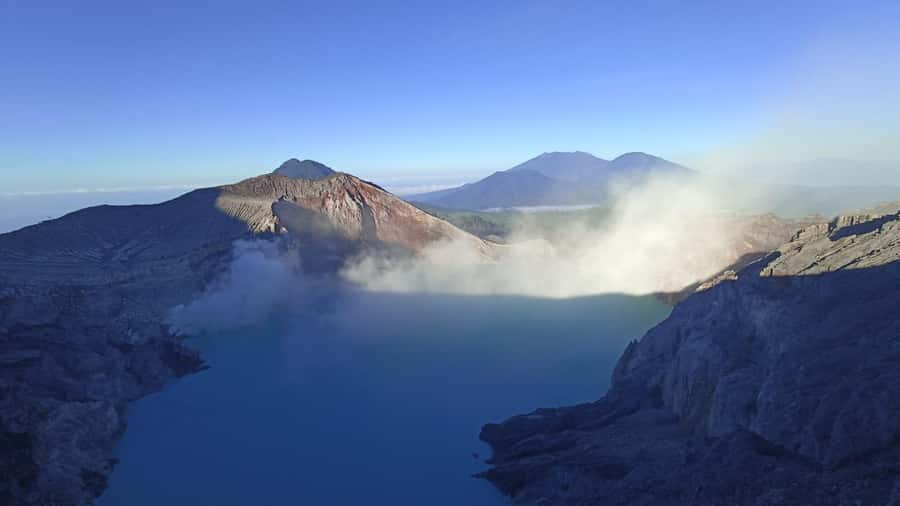
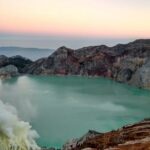
Mount Ijen (Kawah Ijen) is one of those places where nature looks staged, but it isn’t. From the summit area, the crater lake’s color is the headline: a striking turquoise pool sitting inside an active volcanic system. Add in early-morning light, smoke in the air, and the drama of an active site, and you get a scene that’s hard to recreate anywhere else.
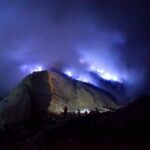
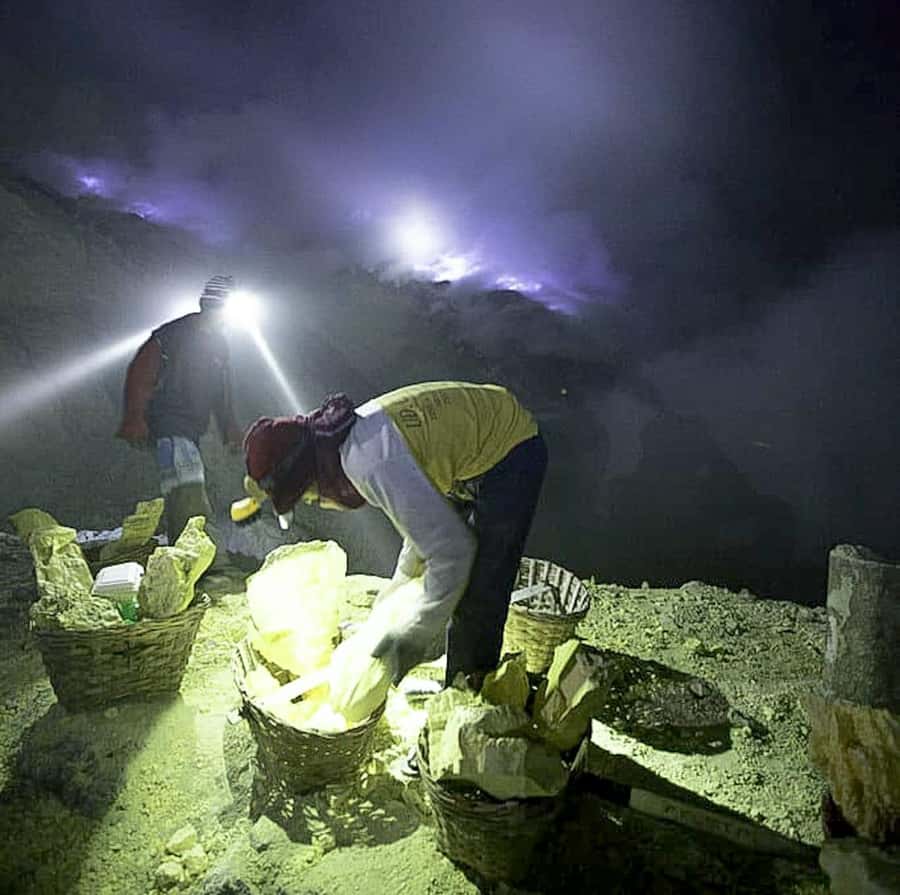
Then there’s the blue fire. The glow itself is the big reason most people book, but the whole experience is more than that flame. You’re also walking through a working volcano landscape where local sulfur mining is part of daily reality. Even if you’re there mainly for the visuals, you’ll still come away thinking about the people who work there and the risk that comes with it.
The other difference: Ijen is built for sunrise. That means you’ll be out in the dark, you’ll move deliberately, and you’ll wait for light to do its job. If you like mountain mornings and can handle an early start, this tour matches that vibe.
You can also read our reviews of more tours and experiences in Banyuwangi.
From Bali or Banyuwangi: how the day’s route really works
Your tour is designed around one practical goal: reaching Ijen with the right timing for nighttime walking and sunrise. That usually means a mix of land transport and ferry time if you start in Bali.
You’ve got two pickup choices: Bali or Banyuwangi Regency. If you’re in Bali, expect a car transfer to the port area, then a ferry crossing before you connect again toward the volcano. The itinerary includes a ferry leg of about 1.5 hours, then another ferry return of about 75 minutes.
This matters because it affects your energy. You’re not just doing a hike. You’re doing a full back-and-forth route with early departure, plus a return that aims to get you back to Bali by around 4 PM (with the plan described as ferry + car transport).
If you’re staying in Banyuwangi, the logistics feel tighter and simpler because you’re already closer to the volcano access side. Either way, the tour includes the shuttle for the Banyuwangi area, and it uses an English-speaking guide.
Midnight start and the ferry rhythm: what your first hours feel like
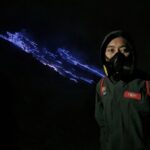
The day doesn’t start “morning-ish.” It starts early enough that you’ll be walking in low light. That’s why the tour provides key essentials like a mask and flashlight. You’ll also get a safety briefing at basecamp before you begin the hike.
Before you even reach Ijen, you’re spending time in transit—especially if you start from Bali. That ferry block (about 1.5 hours) is long enough to readjust your body and get calm for the climb. It’s also long enough that you’ll want to use the time wisely: hydrate, keep a jacket handy, and avoid overpacking your pockets with stuff you won’t use.
A small group setup helps here. When the group is small, the guide can keep people moving and handle the basic rhythm—check-ins, spacing, and getting everyone ready for night steps.
Basecamp coffee, safety rules, and your first chunk of hiking
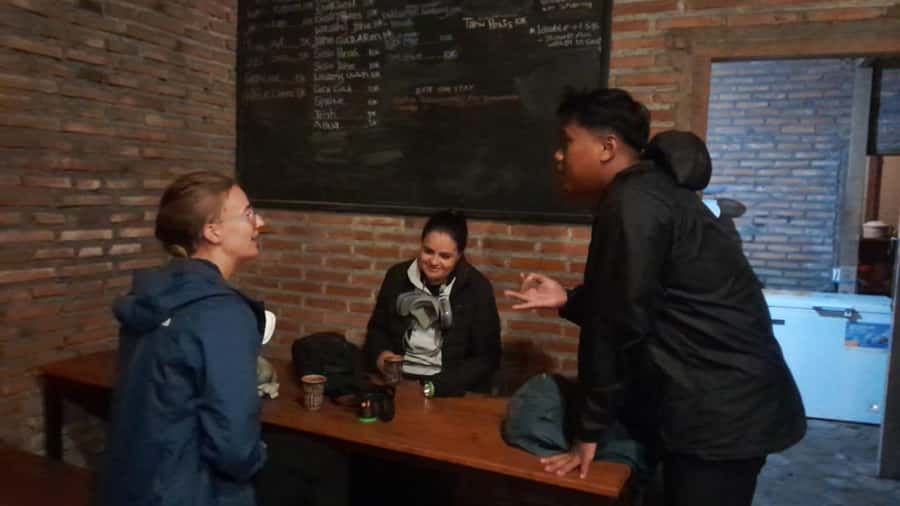
Once you arrive at the Ijen area, you’ll stop for coffee/tea and a safety briefing (listed as about 15 minutes). That briefing is not a throwaway moment. This is an active volcanic site, and even if you’re going at an easy-to-moderate pace, you still need to understand what the tour can and can’t do near the crater area.
Then you begin the first walk/hike segment (about 1 hour). This portion is where night hiking becomes real. Your job is simple: move carefully, stay steady on uneven ground, and don’t rush just because you can see headlamps ahead of you.
One practical tip: dress for temperature swings. Even if Java’s general climate is warm, volcanic areas and pre-dawn hours can feel sharp. Bring a jacket as the tour recommends. Comfortable shoes are also non-negotiable. You want grip and protection for rocky steps.
Also, note the tour asks for a medical statement in the “what to bring” list. That’s a signal that the operator is serious about health precautions for this kind of environment.
The crater run-up: turquoise lake views and sunrise waiting time
From the summit side, the promise is both visual and emotional: you’re building toward sunrise. The itinerary is structured so you’re not just passing through. After the initial hiking blocks and photo moments, you end up spending about 3.5 hours around the sunrise viewing zone.
That time matters because sunrise isn’t instant. It comes in stages—light first on ridges, then a gradual change on the crater rim and lake surface. The longer schedule helps you avoid the “rush and miss it” feeling.
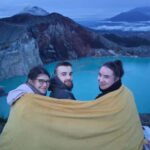
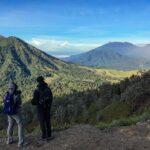
You’ll also get time for a photo stop and visit, plus scenic viewpoints on the way. There’s a good chance you’ll feel the area’s scale during this waiting period: crater walls, the multi-peak mountain backdrop, and that turquoise lake in the center that people travel all this way to see.
This is also the section where you’ll feel the value of a guide. You’re walking in darkness early and moving near a very specific viewpoint zone. Even if you’re not a “mountain expert,” a guide helps you follow the route cleanly and not waste your limited daylight window.
Blue fire at Ijen: the rules that decide what you actually see
Let’s talk straight about the blue flame, because this is where expectation can break.
After tremors on July 13, 2024, visitors are restricted from approaching the crater area for safety. That means the classic “stand super close and watch the flame” moment may not be possible for your exact visit.
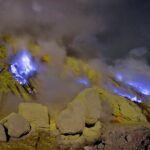
Here’s what you can take from the current rules: the blue fire may be visible from about 500 meters, but only if the flame is big enough and conditions are favorable (including weather).
That’s why this tour still sells—because the turquoise lake and sunrise are still real highlights even when the blue flame is faint or not clearly visible. But it’s also why you should book with your eyes open: blue fire viewing is conditional now.
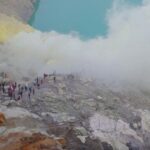
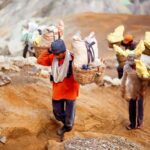
Also, the crater area isn’t only nature. You’ll see local sulfur miners at work and learn their story. One review highlight specifically called out the emotional side: seeing the miners and understanding how one of the lowest paid jobs connects to this harsh, risk-heavy landscape.
And one more detail from the experiences you shared: a guide named Aji came up as super friendly and helpful. That kind of human support matters here. When you’re cold, tired, and waiting for sunrise, a good guide keeps you anchored and helps you understand what you’re looking at.
Coming down and getting back: the second half of the day
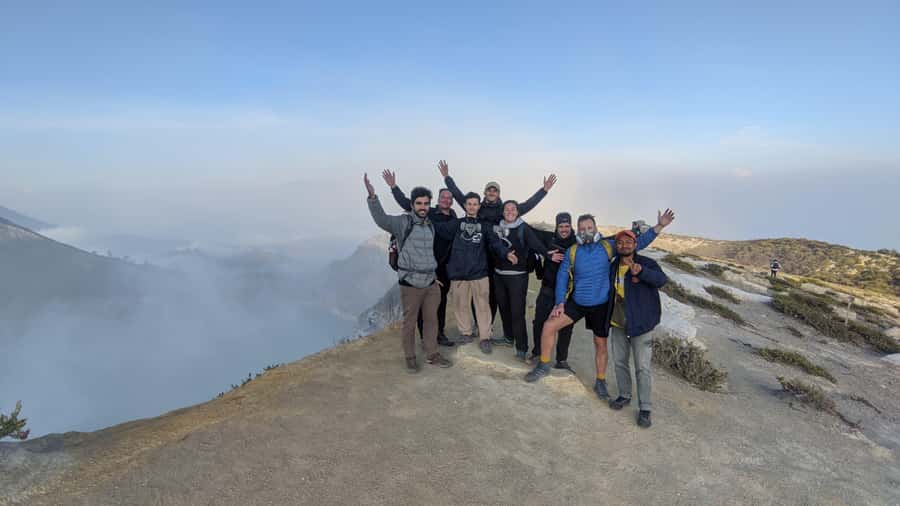
After your sunrise and crater viewing time, you’ll hike back down. The itinerary lists about 1 hour for the descent, though it can be less if you move fast. Either way, expect the downhill to feel different than the climb. Your knees will notice. Keep your pace controlled.
Then there’s a short break at the cafetaria at the car parking area, where you can spend about 15 minutes before continuing. This is when the day turns from “mountain mode” into “transport mode.”
Next come the return legs. You’ll take the ferry again (about 75 minutes) and then the Bali connection by car. The plan described has you arriving in Bali around 4 PM.
This back-half matters for planning your evening. You’ll likely want dinner nearby once you get back, not far away. I’d keep your schedule light for the rest of the day, because even a 6-hour tour can feel long when you’re combining cold night air, uneven steps, and early dawn.
Price and value: what $35 really buys you
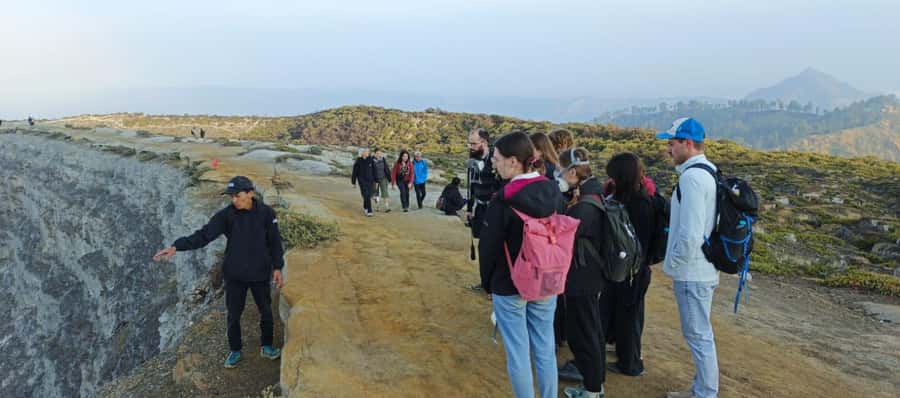
At about $35 per person, this is a value-style tour rather than a luxury experience. You’re paying for the essentials that are hard to organize alone: a guide, timed access, safety-focused equipment (mask and flashlight), a geopark entry component, and the ferry-and-transport structure if you start in Bali.
What’s included:
- English-speaking trek guide
- Ijen geopark entry fee
- Mask & flashlight
- Ijen screening
- Water/coffee/tea at basecamp
- Hotel shuttle in the Banyuwangi area
What’s not included:
- Meals/extra drinking water
- Tipping
- Drop-off to port
- Personal expenses
So the key question isn’t just the price. It’s whether you’re comfortable buying your own food and water on top of what’s provided. If you can pack smart and plan around the early schedule, the cost makes sense. If you need frequent snacks or lots of extra drinks during the day, budget for that yourself.
Also, there’s a very real “value risk” built in: blue fire depends on conditions and on how close visitors are allowed to get right now. Still, sunrise and the crater lake are the core attraction, so the tour shouldn’t feel like a total gamble.
Who should book this Mount Ijen trek (and who should not)
This is best for people who want an active nature morning and can handle night hiking. It’s described as easy to moderate, but it still involves volcanic terrain and a summit area experience with significant time in cool hours.
You should consider booking if:
- You want sunrise and you’re comfortable waking early
- You like guided hikes where you’ll learn what you’re seeing
- You’re interested in the miners’ story, not just the scenery
- You’re okay with an itinerary that includes ferry time and a full day loop
You should skip it if you match the listed limitations:
- Children under 9
- Pregnant women
- People with respiratory issues
- People with altitude sickness
- People over 80
- People with high blood pressure
- People with low fitness
If any of those apply, don’t “tough it out.” This is a safety-first volcano environment.
When I’d book and when I’d rethink it
I’d book this tour if you can handle the early, chilly start and you want the crater lake + sunrise experience as your main payoff. The blue fire is a bonus that depends on flame size and weather, but the turquoise crater view isn’t conditional in the same way.
I’d rethink booking only if you know you can’t accept the possibility that blue flame visibility may be limited due to crater access restrictions. The tour notes that blue flame can sometimes be spotted from a distance, but it may not be dramatic for every weather window.
If your goal is purely blue fire at close range, this is not a guarantee tour anymore.
Should you book Mount Ijen Blue Fire Hiking?
Book it if you want:
- Sunrise views over the crater with time to actually wait for light
- The turquoise lake and multi-peak volcanic panorama
- A guided hike that also explains the sulfur miner reality
- A structured day that includes the ferry routing from Bali or starts from Banyuwangi
Skip it if:
- You need guaranteed close-up blue fire
- You’re not comfortable with night walking and a steep volcanic descent
- You fall into the tour’s health and age limits
If you fit the right kind of traveler—up for an early start, okay with an active pace, and willing to accept that nature and safety rules control the blue flame—this is one of those East Java experiences that sticks with you.
FAQ
What’s the typical duration of the Mount Ijen Blue Fire hiking tour?
The tour is listed as about 6 hours, though exact start times depend on availability.
Do I need to choose Bali or Banyuwangi for the pickup?
Yes. The tour offers 2 pickup options: Bali or Banyuwangi Regency.
Is ferry included in the itinerary?
Yes. If your route includes Bali, the itinerary includes a ferry crossing of about 1.5 hours and a return ferry of about 75 minutes.
When do you get to the Ijen area?
You’ll arrive after pickup and the ferry segment (if starting from Bali). Once at Ijen, you’ll have coffee/tea and a safety briefing before hiking.
How long do you spend walking or hiking at Ijen?
The itinerary includes about 1 hour of walking/hiking early on, then later about 1 hour after the main crater viewing time. There’s also about 3.5 hours spent around the sunrise and viewpoint area.
Can you still get close to the blue fire at the crater?
Because of safety restrictions after tremors in July 2024, access to the crater area is restricted. The blue fire may be visible from about 500 meters if the flame is big enough and weather is favorable.
What’s included for safety on the hike?
The tour includes mask and flashlight, plus an Ijen screening and a safety briefing at the Ijen area.
What’s provided at basecamp?
You’ll have water/coffee/tea at the rest area (basecamp) of Ijen.
Are there limits on who can join?
Yes. It’s not suitable for children under 9, pregnant women, people with respiratory issues, people with altitude sickness, people over 80, and people with high blood pressure or low fitness.
Is Ijen always open for visits?
No. The Ijen Geopark is closed to visitors every first Friday in a month, and the tour notes they do their best to manage timing but closures can’t always be avoided.