Blue fire at 2 a.m. tests your patience. I like seeing the blue flames in Mount Ijen’s crater and I like how the English guide explains what miners faced and how to stay safe in a harsh spot. The main drawback is simple: the early start and steep, cold hike can be tough if you’re not used to night trekking.
What makes this tour feel like good value is the transfer service built around the timing. You’re picked up in Banyuwangi around 00:05, given the right gear, and then you’re back by about 09:00 with a sunrise view over the lake still fresh in your head.
In This Review
- Key things I’d circle before you go
- Mount Ijen in one morning: what this 10-hour transfer really gets you
- Getting picked up around Banyuwangi at 00:05
- The pre-dawn climb: briefing, timing, and what “2:00 AM ascent” means
- What I consider the “hidden workload”
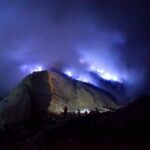
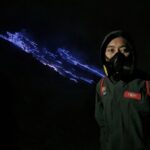
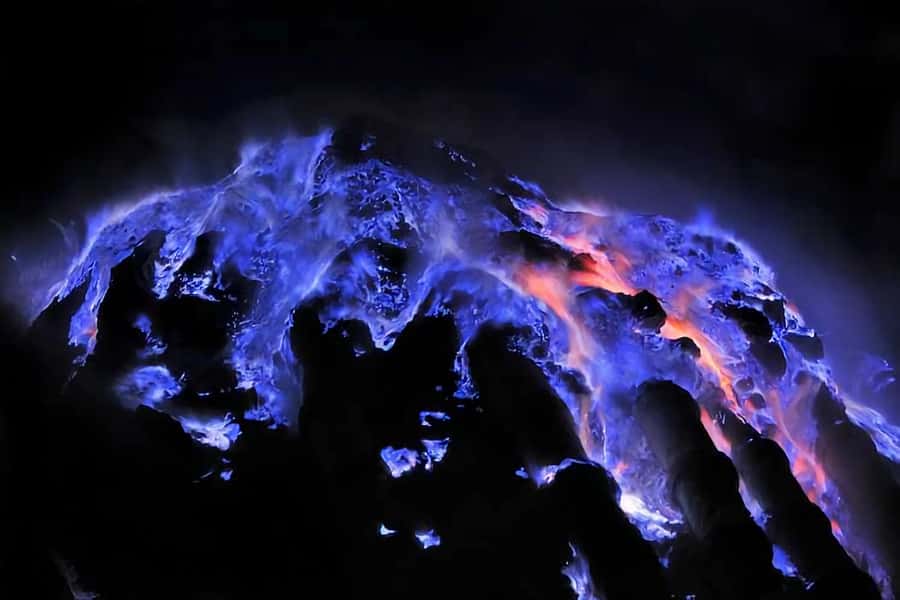
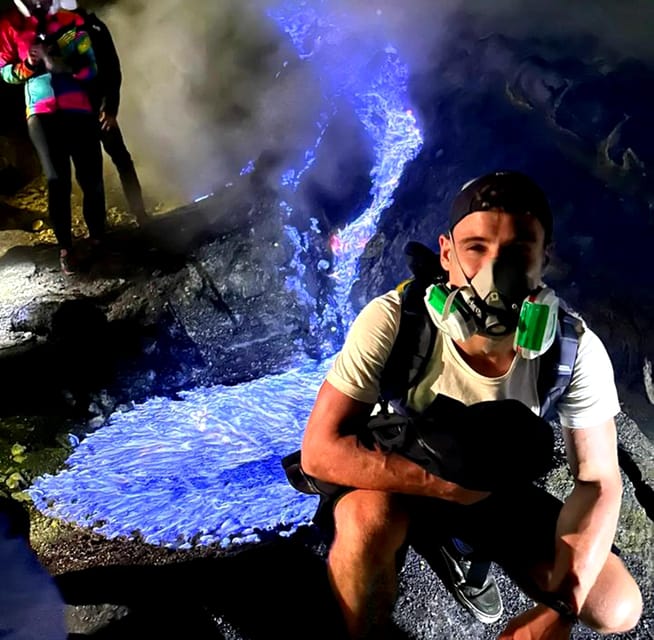
- Blue fire in the crater: what you’ll see and how to handle it
- Photography reality check
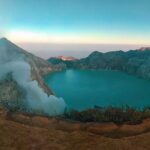
- Sunrise on the rim and lake panoramas: the view that makes the hard part worth it
- Included safety and comfort: gear, entry, and the medical statement
- My practical comfort advice
- Transfers and pacing: why the small group matters on Ijen
- Price and value: is $39 worth it for blue fire and sunrise?
- Who this tour fits best—and who should skip it
- Should you book this Banyuwangi Ijen Blue Fire Tour?
- FAQ
- How long is the Mount Ijen blue fire tour from Banyuwangi?
- What time does the pickup happen?
- Do I get picked up and dropped off in Banyuwangi area?
- Is there an English-speaking guide?
- What gear is included for the crater?
- Are park entry fees included?
- What should I bring?
- Are meals included?
- FAQ
- Can I cancel for a full refund?
- Is the tour fully refundable if I change my plans at the last minute?
Key things I’d circle before you go
- 00:05 departures: you’re moving before sunrise so you’re not scrambling for timing at Ijen
- Headlamp + gas mask included: the basics for crater conditions are handled for you
- Small group limit (10 people): easier pacing and fewer bottlenecks on the trail
- Briefing before the climb: you get instructions and safety reminders right when it matters
- Sunrise + lake panoramas: the trip isn’t just about the crater, it’s about the whole morning arc
Mount Ijen in one morning: what this 10-hour transfer really gets you
Mount Ijen is famous for two reasons that show up in your schedule back-to-back. First is the crater’s blue fire, a glow that looks unreal against the dark. Second is the sunrise viewpoint over Lake Ijen, where the whole scene changes from night grit to bright water and glowing volcanic edges.
This is not a slow scenic walk. It’s a timed, early-morning mission, with transport smoothing the hardest part: getting to the right parking area and being there when the crater window opens. If you hate guessing and late starts, you’ll like this format.
You’ll also be glad the tour includes park entry, plus key gear like a headlamp and gas mask. That matters at Ijen because crater conditions aren’t the place to realize you forgot the one thing you need.
You can also read our reviews of more tours and experiences in Banyuwangi.
Getting picked up around Banyuwangi at 00:05
The schedule is built around starting extremely early. You leave Banyuwangi City around 00:05 and travel to Mount Ijen (the Paltuding area is mentioned as the access point). You’re not just hopping on a random bus and hoping for the best. You get pickup options across the Banyuwangi area, including major anchors like the Banyuwangi City Train Station, Ketapang ferry area, and Banyuwangi International Airport.
You’ll also find a specific pickup location at the DORMITORY TOURISM SRITANJUNG By Celcius. That kind of detail tells you the operator is trying to match travelers coming from different sides of the region, not just one neighborhood.
Practical tip: if you show up late, you risk losing the “right before the briefing” timing. The tour notes you should wait at your pickup spot about 10 minutes before the scheduled time, and the crew will contact you when they arrive.
The pre-dawn climb: briefing, timing, and what “2:00 AM ascent” means
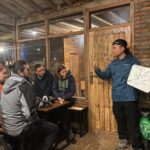
Once you reach the Ijen parking area, the tour shifts from driving mode to trekking mode. You get a break and a safety briefing before the ascent begins around 2:00 AM.
That early-hour structure is key for two reasons. One, your body needs a moment to wake up and settle before the climb. Two, the crater area has specific safety expectations, and a briefing right before you move helps you avoid mistakes when you’re tired and low-visibility.
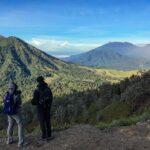
Then you start moving through lush landscapes on the way up—dark paths, cold air, and the kind of terrain where footing matters more than speed. You’ll have your headlamp ready, and you’ll want to follow your guide’s rhythm rather than matching the pace of people who are sprinting ahead.
You’ll also see why the tour includes a health certificate and mentions a medical check-up before the hike. This is a physically demanding early trek, and the operator is signaling that they take that seriously, not just as paperwork.
What I consider the “hidden workload”
The hike itself is only half the challenge. The other half is mental: you need to stay focused when it’s cold, dark, and you’re carrying enough to be comfortable. Plan to feel slightly uncomfortable. That’s normal here. The goal is to be safe and steady.
Blue fire in the crater: what you’ll see and how to handle it
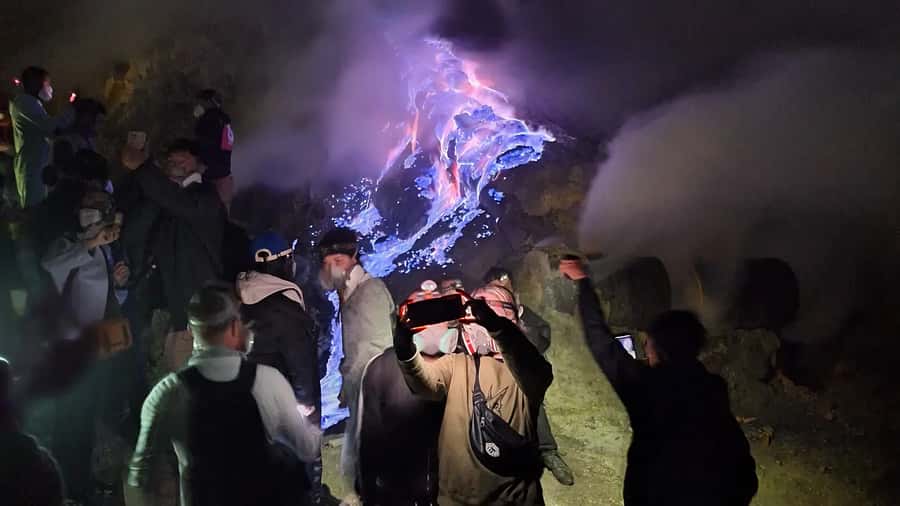
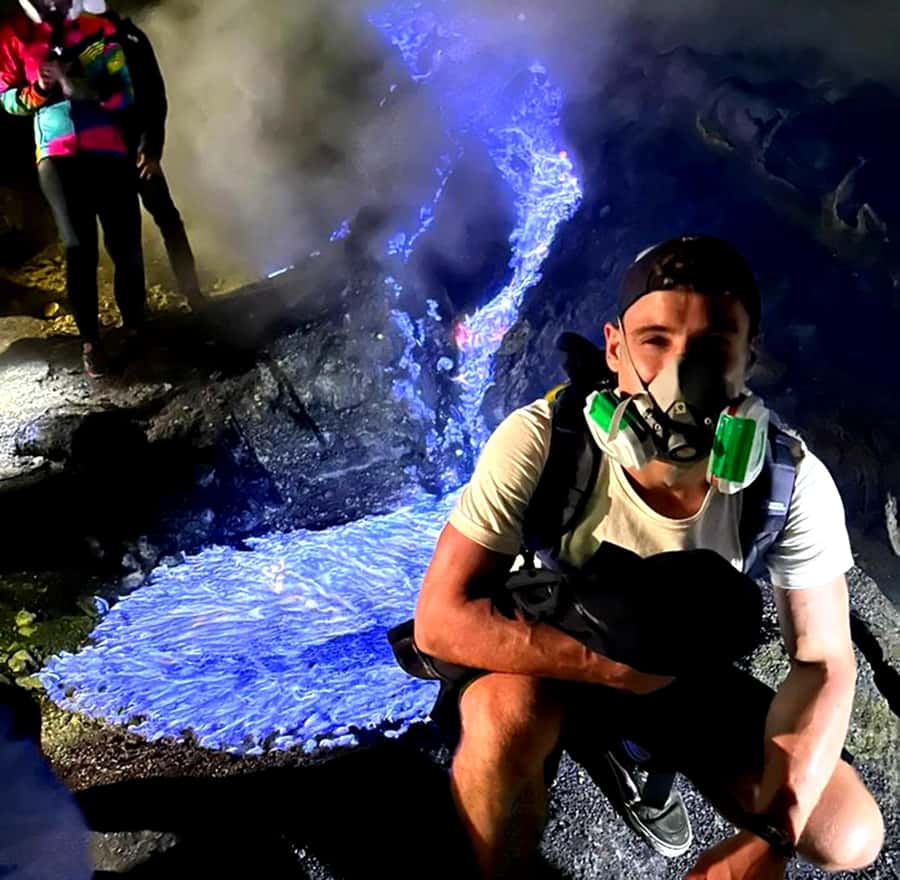
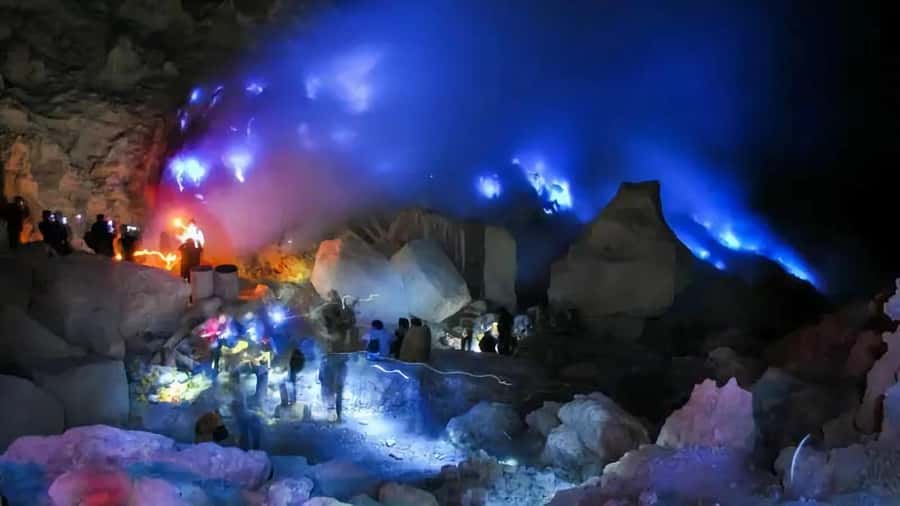
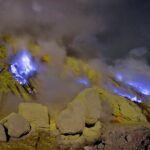
This is the headline moment, and the itinerary is built to get you into the crater area at the right time. After reaching the top, you descend into the crater to witness the mesmerizing blue flames.
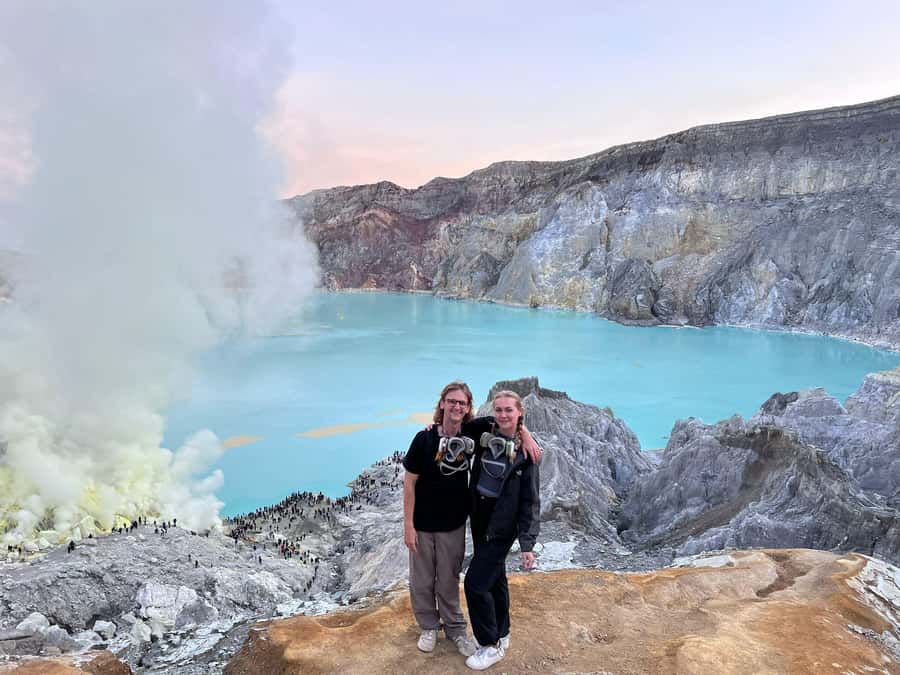
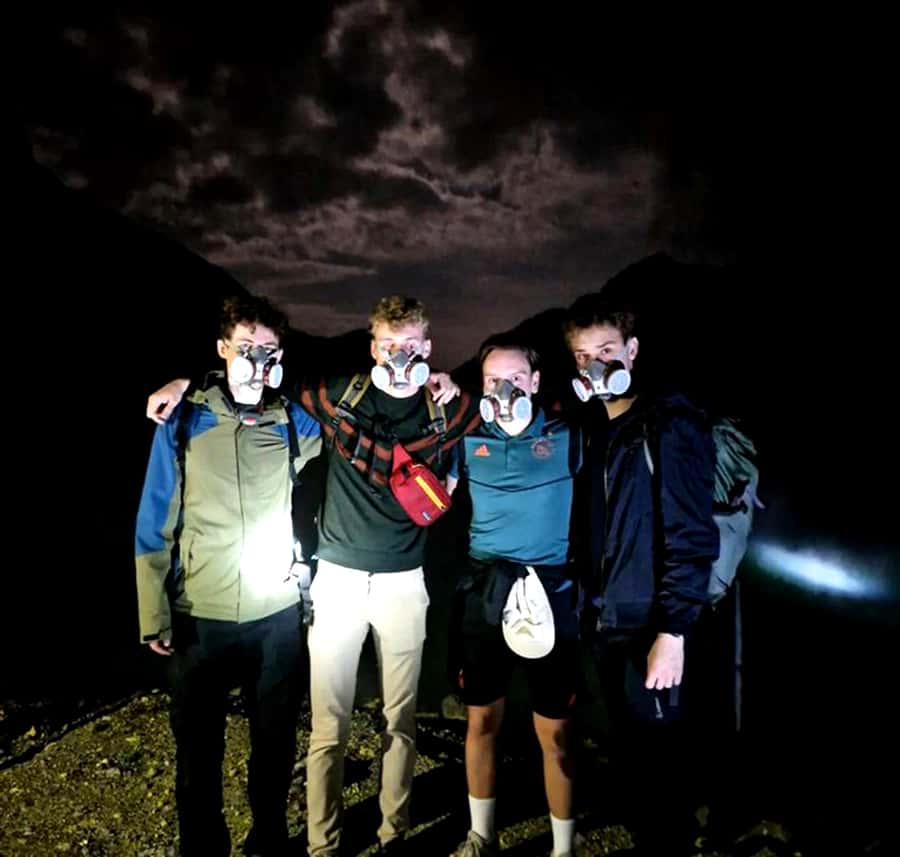
The tour also builds in time to explore the crater area and then climb back up. That extra pacing matters. Blue fire viewing isn’t a ten-second photo stop. You’re watching something that looks otherworldly, and conditions around it demand respect. The included gas mask helps manage the air you’ll be exposed to during the crater segment.
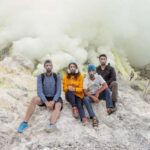
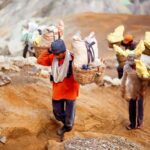
You’ll also get context about the miners who worked there. The tour description specifically frames it as learning about miners’ lives and the reality of work in the volcano’s environment. Even if you only catch a few pieces of that explanation, it makes the blue fire feel less like a show and more like a workplace tragedy and survival story.
Practical note: if you’re sensitive to smoke, strong odors, or breathing discomfort, treat the gas mask as non-optional. Use it when you’re instructed to.
Photography reality check
Night crater lighting can make photos tricky. Bring a camera, sure, but also bring patience. Focus on seeing it with your own eyes first. If you nail a good shot after that, great. If not, you still get the main event.
Sunrise on the rim and lake panoramas: the view that makes the hard part worth it
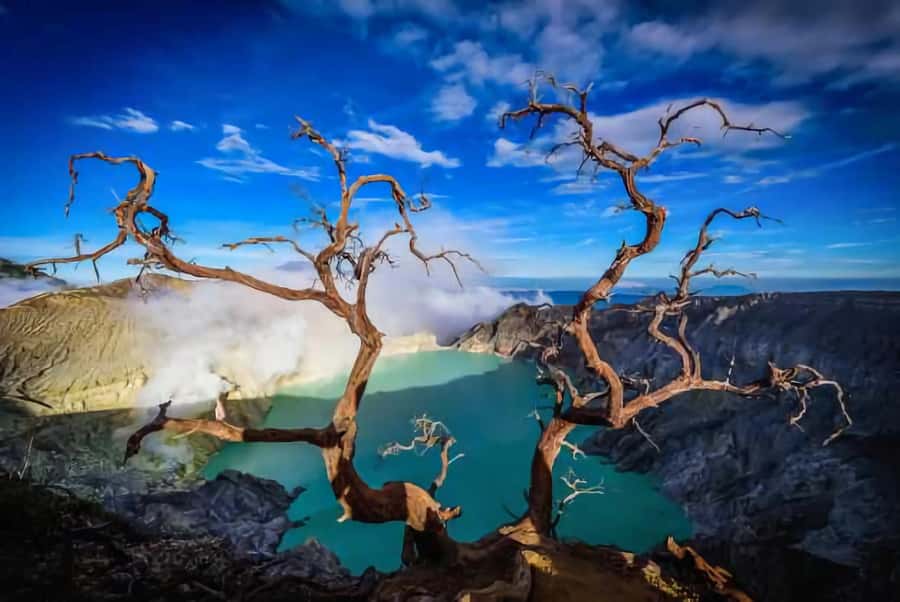
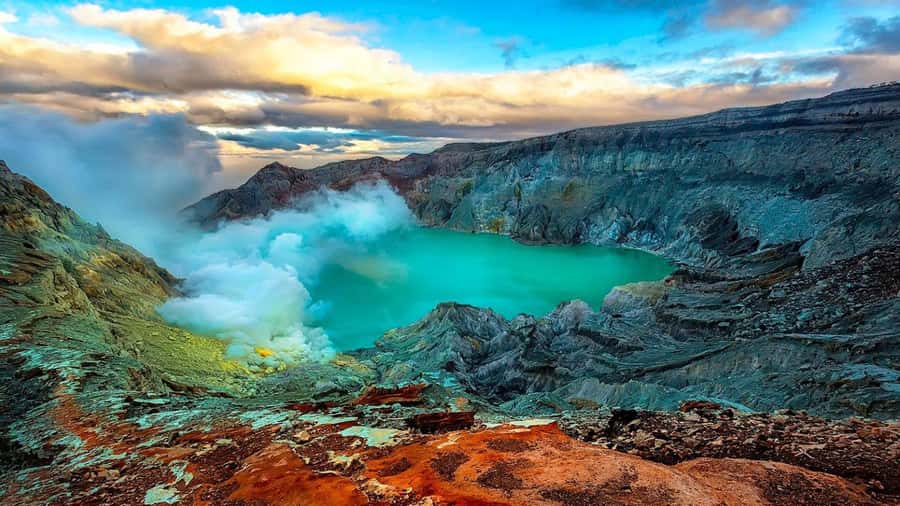
After the crater segment, the tour brings you back up for sunrise. The schedule indicates sunrise viewing as part of the “sunrise” block, with a total crater-to-summit stretch timed to land you at the top during the early morning glow.
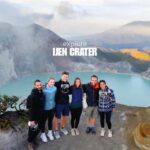
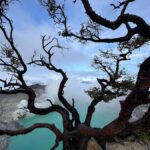
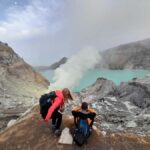
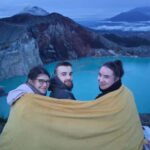
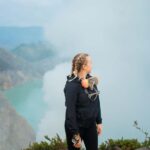
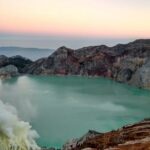
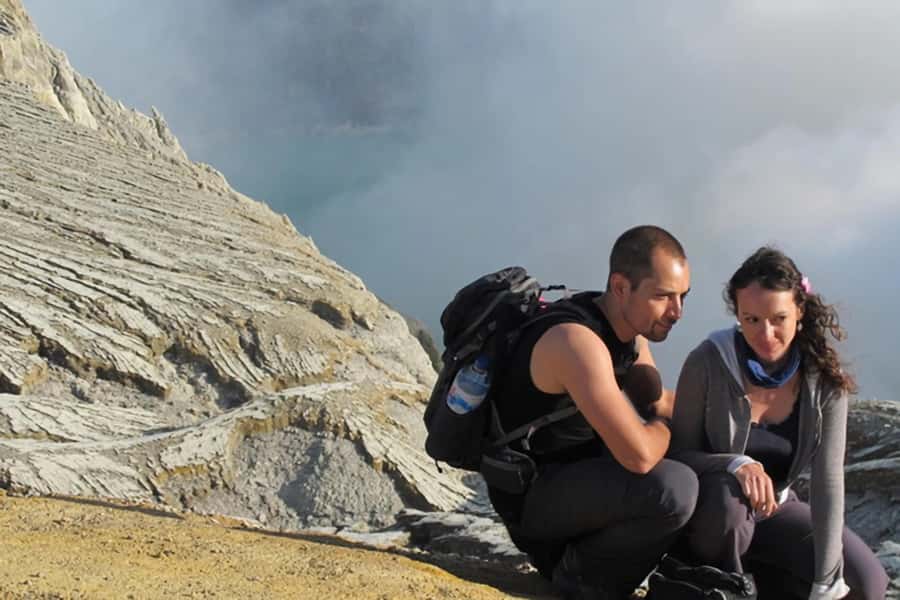
You’ll “chill” on the summit and soak in panoramic views of the lake as daylight breaks. This is where Mount Ijen turns from eerie and industrial to scenic and readable. Lake Ijen reflects the shift in altitude and light, and you can see why people remember this part longer than the photos.
This is also the moment when your body catches up with you. After hours of night trekking and crater work, sunrise feels like a reset. It’s not just beauty; it’s relief—warmth, visibility, and a clear sense of where you are.
Then by around 6:00 AM, you head back to the parking area for rest before the drive back to Banyuwangi.
Included safety and comfort: gear, entry, and the medical statement
A good volcano tour isn’t just about visuals. It’s about what’s handled so you can focus on the experience. This one includes several items that reduce friction:
- Headlamp: you won’t have to guess on batteries or cram a flashlight into a night hike
- Gas mask: crater air conditions are part of the plan, not an extra you buy on-site
- Entry fee (Mount Ijen National Park): you’re not stuck at the gate
- Experienced English guide: instructions and context help you understand what you’re looking at
- Health certificate: the tour is set up to consider physical readiness
- Pickup and drop-off service in Banyuwangi area: you avoid time-wasting transport decisions
You’ll want to bring what’s listed: a passport or ID card, warm clothing, a jacket, water, snacks, and a medical statement. Camera gear is optional but recommended since sunrise and the lake viewpoints are photogenic.
My practical comfort advice
Bring layers you can manage fast. Cold at night climb hours can surprise you even if you’re in Indonesia. Also, pack snacks you can eat without stopping too long. You’ll have break time, but the whole day runs on tight timing.
Transfers and pacing: why the small group matters on Ijen
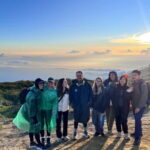
The tour is a small group, limited to 10 participants. That’s a big deal on Ijen. Narrow paths, dark footing, and uneven climbing pace can turn “a hike” into a traffic jam. With a small group, the guide can keep eyes on everyone more easily, and you spend less time stuck behind a crowd.
It also helps for crater viewing. You get a more realistic chance to see the blue flames without feeling like you’re in a conveyor belt.
The itinerary’s rhythm is also clear:
- pickup around 00:05
- briefing and start climbing around 2:00 AM
- crater descent and viewing
- climb back up for sunrise and lake views
- return toward parking by about 6:00 AM
- drive back, arriving Banyuwangi around 9:00 AM
If you want a trip that feels organized and not chaotic, this structure is one of the reasons the experience scores well overall.
Price and value: is $39 worth it for blue fire and sunrise?
At $39 per person for a 10-hour day, the price looks reasonable for a few reasons that go beyond the sticker.
You’re paying for:
- a full early-morning transfer service
- English-guided trekking with briefing
- park entry included
- headlamp and gas mask provided
- time and scheduling that lines up with sunrise and crater viewing
Meals are not included, so you’ll need to plan your own food and water. That’s the main cost that could rise depending on your preferences. But compared to the hassle of renting gear, buying entry separately, and trying to coordinate timing with other transport, $39 can feel like a “buying certainty” deal.
In short: if you’d otherwise scramble for early access and rentals, the package price earns its keep.
Who this tour fits best—and who should skip it
This is a night trek with a crater descent and an early sunrise schedule. So it suits travelers who can handle:
- hiking in the dark
- cold early air
- breathing through a gas mask if needed
- a steep, demanding schedule
It’s not suitable for:
- pregnant women
- people over 75
- babies under 1 year
If you’re traveling with kids, this is probably not your outing. If you have mobility limits, you might still manage parts, but the data provided signals strict unsuitability for certain groups. When in doubt, think twice and choose something less physically intense.
If you’re the type who loves nature, sunrise views, and the human story behind a place, you’ll probably enjoy this. The miners’ life context is part of the value, not just a bonus fact.
Should you book this Banyuwangi Ijen Blue Fire Tour?
I’d book it if you want a focused, well-timed day where someone else handles the hard logistics: pickup, park entry, gear, and the safety briefing. The combination of blue fire and sunrise lake panoramas is the kind of itinerary that actually feels like a “one-day yes” instead of a travel gamble.
I wouldn’t book it if you strongly dislike early starts, long climbs, or you’re not comfortable with physically demanding night trekking. This tour doesn’t pretend it’s gentle.
A good middle check before you commit: if you can follow instructions, dress warmly, and pace yourself, you’ll get a memorable morning. If you’re chasing a relaxed walk with late-hours vibes, you’ll be happier choosing something else.
FAQ
How long is the Mount Ijen blue fire tour from Banyuwangi?
The total duration is listed as 10 hours.
What time does the pickup happen?
The schedule notes departure from Banyuwangi city around 00:05 toward Mount Ijen (Paltuding).
Do I get picked up and dropped off in Banyuwangi area?
Yes. Pickup and drop-off service is included in the Banyuwangi area, with multiple pickup and drop-off options listed.
Is there an English-speaking guide?
Yes. The tour includes a live English guide during the activity.
What gear is included for the crater?
The tour includes a headlamp and a gas mask.
Are park entry fees included?
Yes. Entry fee to Mount Ijen National Park is included.
What should I bring?
Bring your passport or ID card, warm clothing (plus a jacket), camera, snacks, water, and a medical statement.
Are meals included?
No. Meals (food, drink, and beverage) are not included.
FAQ
Can I cancel for a full refund?
Free cancellation is offered up to 24 hours in advance for a full refund.
Is the tour fully refundable if I change my plans at the last minute?
The details state the full refund is available if you cancel at least 24 hours before the start time.