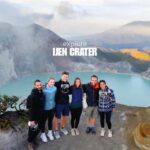
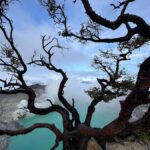
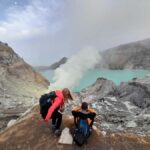
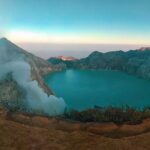
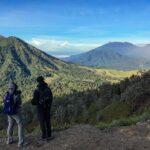
Watching sunrise over Ijen feels like you’re entering a real-life science class. I love the chance to see the big acid lake as the sky lightens, and I also love how the tour is built around the human side of Ijen: sulfur miners working right below your viewpoint. The main drawback is the timing and effort—this is a moderately challenging early-morning hike, and it’s not a good fit if you have breathing or heart issues.
If you want a guided trip that covers transport, entry, and the safety basics, this Banyuwangi experience is simple and well paced. You’ll hike in the dark, use a headlamp, wear a gas mask, and then finish back in Banyuwangi around 8:30 AM.
In This Review
- Key things to know before you go
- Why this Banyuwangi Ijen sunrise hike feels different than the usual volcano tour
- Early pickup in Banyuwangi: what the night schedule really means for you
- The 1.5-hour climb: steady steps beats heroic effort
- At the summit: acid lake views, sulfur miners, and the blue fire odds
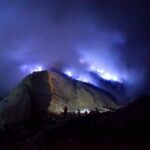
- The blue fire: what you can realistically expect
- Using the gear correctly: gas mask and headlamp matter
- The crater time loop: why the walk back is part of the experience
- Guide quality: friendly, safety-minded, and actually helpful
- Price and value: what $25 gets you on Mount Ijen
- Who this is best for (and who should skip it)
- Health considerations you shouldn’t ignore
- Practical tips so your Ijen morning goes smoothly
- Should you book the Banyuwangi Mt. Ijen sunrise hike with pickup and health check?
- FAQ
- What time does the tour start?
- How long is the tour?
- Is hotel pickup and drop-off included?
- What’s included in the tour?
- Do I need the right fitness level?
- Is the blue fire guaranteed?
- What should I bring?
- Is the tour suitable for everyone?
Key things to know before you go
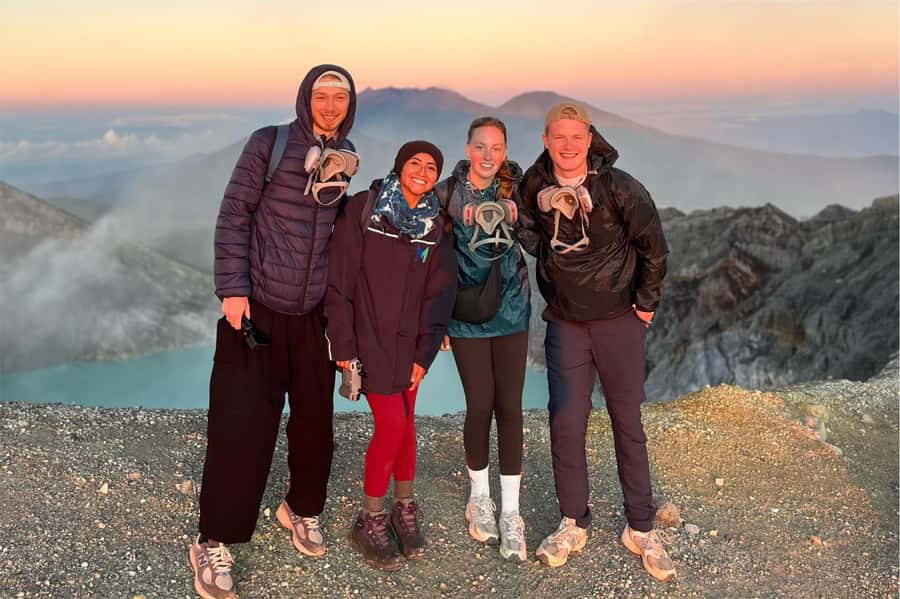
- Blue fire is possible, not promised: you’ll get your chance on a clear lucky day.
- You’ll see miners up close: Ijen’s sulfur work is part of what makes the crater feel real.
- Gear is included: gas mask, headlamp, and an English-speaking hiking guide.
- It’s a small group setup: private or small-group options help keep things smoother on the trail.
- Expect cold early temps: warm layers are worth it for the night climb.
Why this Banyuwangi Ijen sunrise hike feels different than the usual volcano tour
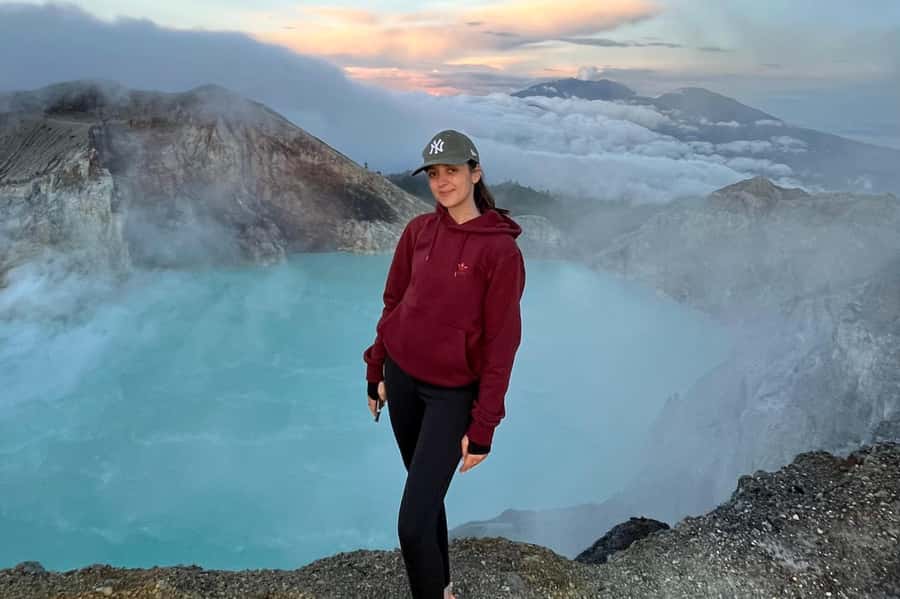
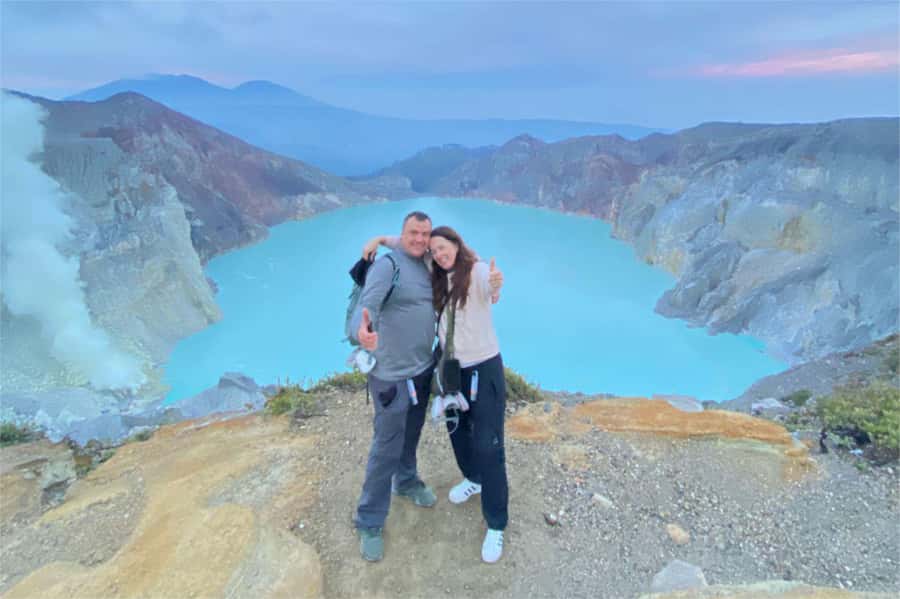
Mount Ijen is not just another viewpoint. It’s a working volcano. The crater isn’t quiet or staged; it’s alive with local activity, sulfur rock labor, and the kind of geology you usually only see in photos. Watching the sunrise over the Ijen acid lake turns that into a full-on moment—more than scenery, it’s a changing color show over an active landscape.
I also like that this is guided in a practical way. You don’t just get dropped at a trailhead. You get picked up in Banyuwangi in the middle of the night, brought to the volcano, then guided step-by-step through the climb, crater time, and the return. That structure matters, because Ijen starts early and ends early—so you spend your energy on the experience, not on figuring out logistics.
One more thing: the tour includes a health check certificate and basic safety items like a gas mask. It doesn’t turn the hike into a spa day. But it does make the whole outing feel more responsible.
You can also read our reviews of more tours and experiences in Banyuwangi.
Early pickup in Banyuwangi: what the night schedule really means for you
The tour starts with pickup from your accommodation in Banyuwangi, during the night hours, then you transfer toward Mount Ijen. Expect the ride time to be about an hour in the van before you begin the hike.
For many people, the hardest part isn’t the climb—it’s waking up, then doing a hike while the world is still dark. If you’re the type who needs time to fully wake up, pack patience and a warm layer. If you’re traveling with kids or you’re recovering from jet lag, plan ahead for sleep the night before. You’ll be outside early, and you’ll be moving before sunrise.
This is also where the “small group” setup helps. Less shuffling around at pickup points means you spend less time waiting and more time moving as a team. The tour includes transport back to Banyuwangi at the end, roughly around 8:30 AM, so you’re not trapped in limbo for the entire morning.
The 1.5-hour climb: steady steps beats heroic effort
You’ll start hiking from the volcano area and work your way toward the top of Ijen. The time on the climb is about 1.5 hours, and because you’re hiking before dawn, you’ll likely be using the included headlamp for visibility.
This climb is described as moderately challenging. That word is important. It means you don’t need to be an endurance athlete, but you also shouldn’t treat it like a casual stroll. You’ll want comfortable hiking shoes with grip, because the footing can be uneven and you’re moving in low light.
What I’d do if I were you: keep your pace smooth and don’t “spike” your effort early. Volcano mornings can trick you—adrenaline is high, then you burn out when the cold hits. Plan short breaks when the guide offers them. The goal is to arrive with energy to enjoy the crater time, not arrive completely drained.
Warm clothing matters a lot here. Even if daytime weather is pleasant in Java, early volcanic mornings can feel sharply cold. Bring layers you can remove and re-add quickly, and wear something that blocks wind.
At the summit: acid lake views, sulfur miners, and the blue fire odds
Once you reach the crater area, the experience becomes the main event. You’ll have time for sightseeing for about one hour, taking in the view of the Ijen crater and the area around it.
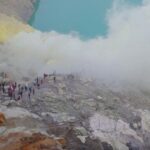
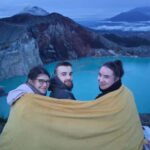
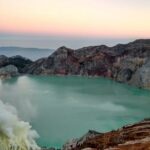
Here’s what makes it memorable: the crater lake is the largest acid lake on Java, and it shows up in the sunrise light in a way that makes the whole place feel intensely real. Instead of a pretty postcard, it’s more like a geology lab with people working beside it.
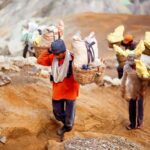
Then there’s the sulfur mining. One of the strongest parts of this tour is that you’re not only looking at the volcano—you’re also seeing the local miners carry sulfur rock as part of their daily routine. That human element changes the tone. It’s not just awe; it’s context. You’re watching work happen in an extreme environment.
The blue fire: what you can realistically expect
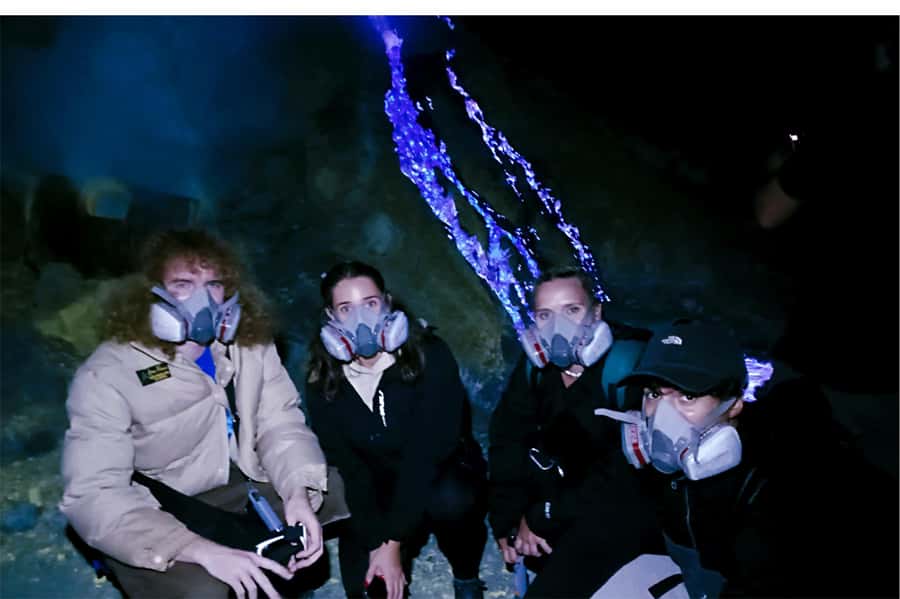
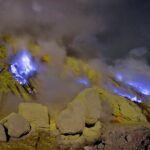
You may have a chance to see the volcano’s mystical blue flames, often called blue fire. But the tour is clear: it’s not guaranteed. Blue fire tends to depend on conditions, especially clarity and visibility, so the guide can’t promise it like a stage show.
The practical takeaway: come with excitement, but also come flexible. If you don’t see the blue fire, you’ll still have sunrise over the acid lake and the crater view, plus that powerful look at miners at work. Blue fire is the bonus, not the whole reason to go.
Using the gear correctly: gas mask and headlamp matter
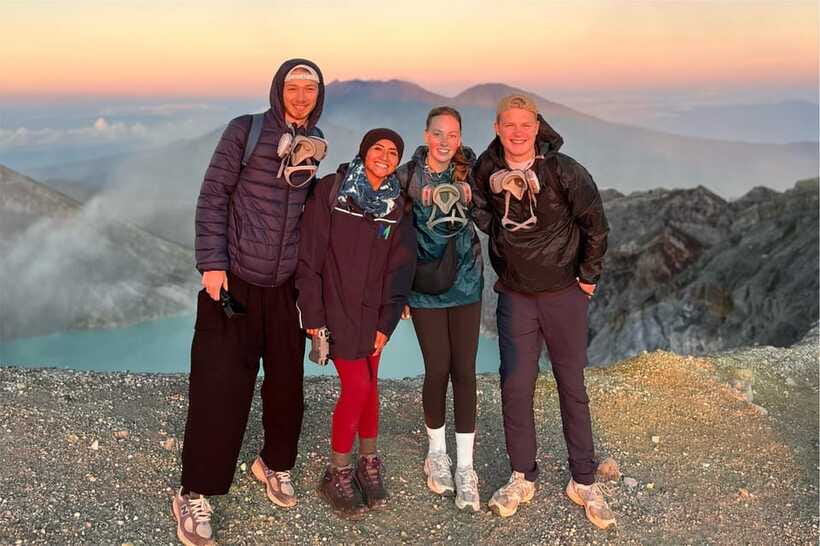
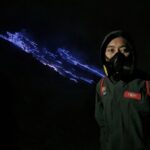
This tour includes a gas mask and a headlamp, and that’s not just a checkbox. At Ijen, visibility and air safety are real concerns, especially near sulfur areas. The mask helps you get through the crater moments more comfortably and responsibly.
Don’t assume the gas mask is optional. Wear it when the guide asks, especially during crater close-up time. You’ll also be happier if you adjust it properly before you reach the busiest viewpoints.
The headlamp matters because you’re hiking in the dark. Bring confidence, not frustration: if your headlamp feels dim, fix it early. When the ground is uneven and you’re moving as a group, small issues become big ones fast.
The crater time loop: why the walk back is part of the experience
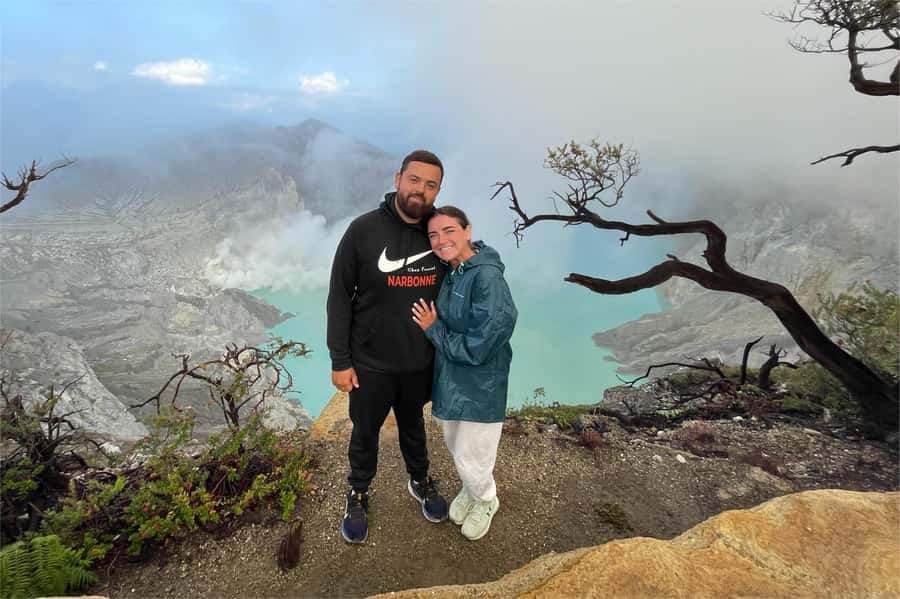
After the main crater sightseeing, you’ll trek down and then return toward the parking area. There’s an on-foot segment of about one hour after sightseeing, followed by about 1.5 hours back in the van.
This part is worth mentioning because it affects how you remember the day. Downhill can feel different than uphill. Your legs may get tired, and attention slips when you’re thinking about coffee and breakfast. Keep your focus on your footing and your pace. If you rush, it stops being fun.
Once you’re back in the van, you’ll head back to Banyuwangi and arrive around 8:30 AM. That early finish is a major advantage over many sunrise volcano options—you can still have the rest of the day to explore the area or relax without feeling like your whole trip is one long grind.
Guide quality: friendly, safety-minded, and actually helpful
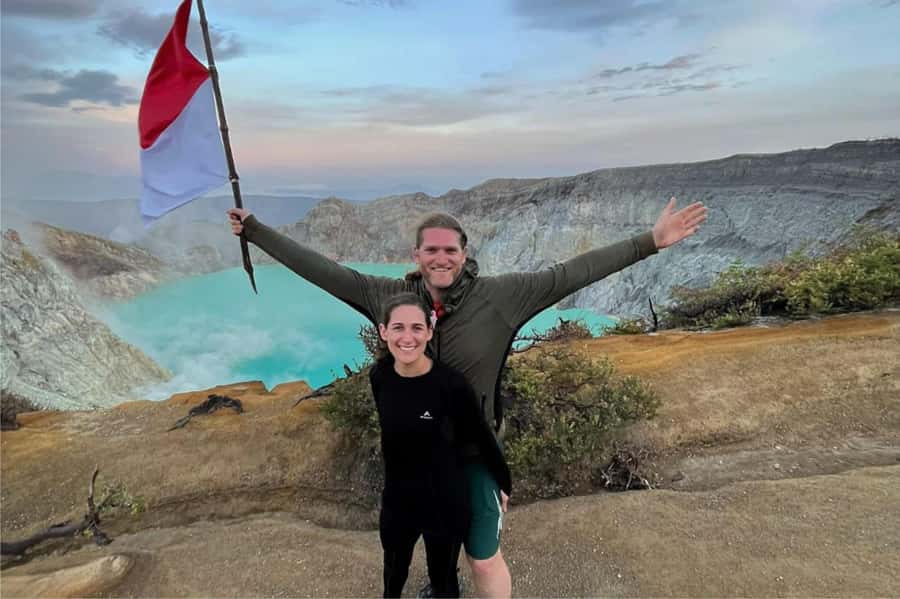
One of the most praised parts of this experience is the guides. Different names show up in standout feedback, including Suleman and guides like KimKim and Qim Qim, along with mention of Rafi and the team’s friendliness.
Here’s what that usually means in practice: you’ll likely get clear pacing, encouragement when the climb starts to feel long, and a more respectful approach to the miners and the site. Some guides also carry little comforts along the way—warm drinks at the crater are mentioned in feedback—so the day doesn’t end with only tired legs.
The tour is led in English, and that’s useful when you want more than “follow me.” At Ijen, simple explanations about what you’re looking at (acid lake, sulfur activity, why blue fire happens) can turn a cool scene into a memorable learning moment.
Price and value: what $25 gets you on Mount Ijen
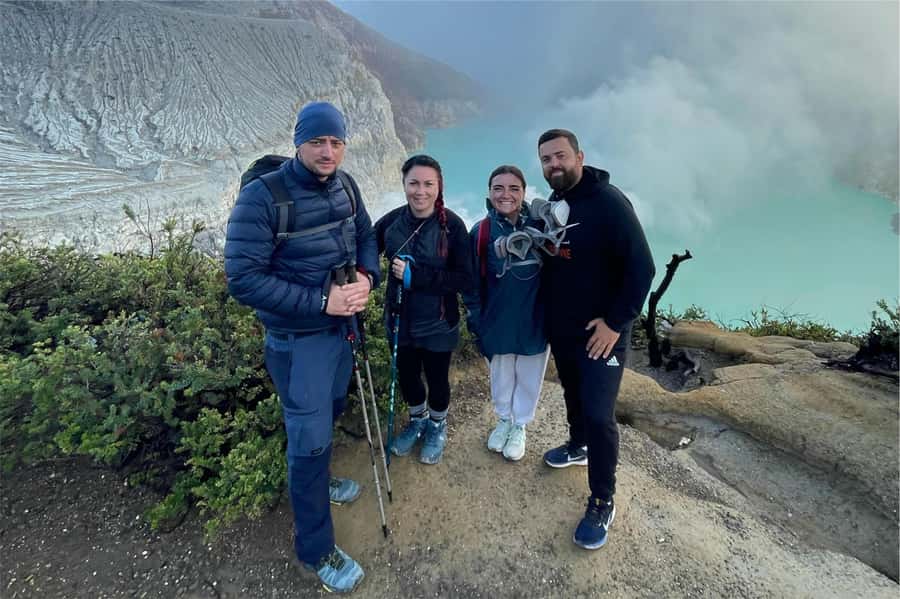
At $25 per person, this trip is priced as a budget-friendly way to do a major sunrise volcano experience. The value isn’t only in the low number. It’s in what’s included:
- Hotel pickup and drop-off within Banyuwangi
- Gas mask and headlamp
- Entry fee
- Hiking guide (English)
- Health check certificate
Many volcano tours charge extra for transport, safety gear, or entry. Here, those basics are part of the package, which makes it easier to plan and reduces surprises. You’re also paying for the simple fact that the tour is built for timing—night pickup, a structured climb, and crater viewing without you having to coordinate everything alone.
If you’re deciding between DIY travel and a guided group trip, I’d weigh the “stress cost.” Night transport and crater access are not the kind of stuff you want to troubleshoot while half asleep. For most people, this price hits a sweet spot between cost and convenience.
Who this is best for (and who should skip it)
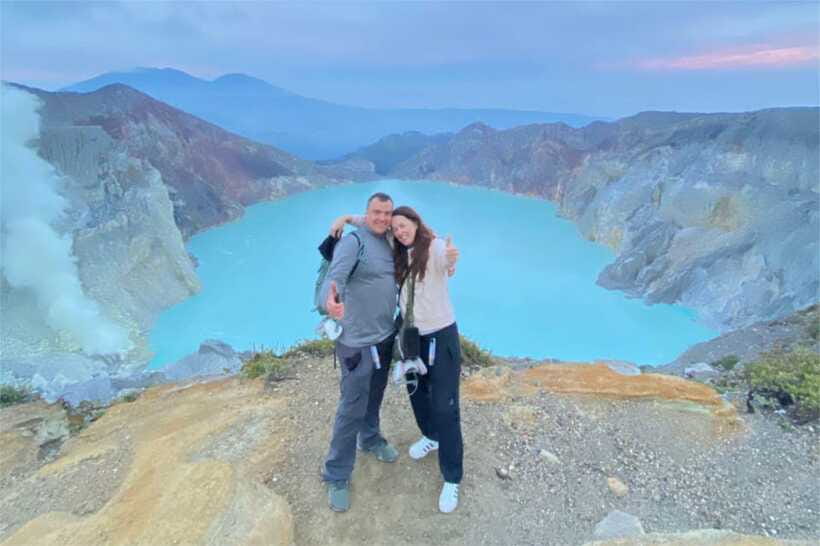
This tour is recommended for people with a good baseline fitness level for a moderate climb. If you handle early mornings, wear warm clothes, and have decent hiking shoes, you’ll likely find it doable.
It also works well if you want a guided experience that includes safety gear and a structured plan. The payoff is greatest if you’re interested in the real-world side of Ijen—miners, sulfur rock work, crater views—rather than only ticking a volcano box.
Health considerations you shouldn’t ignore
This activity is not suitable for people with heart problems or respiratory issues. The combination of early cold, physical exertion, and the volcanic environment is the main reason. If you’re unsure, ask your doctor before going.
If you have asthma, breathing sensitivity, or any heart-related limitations, treat the “not suitable” note as a stop sign, not a suggestion.
Practical tips so your Ijen morning goes smoothly
You can make this day feel easier with a few basics:
- Wear comfortable hiking shoes with good traction.
- Bring warm clothing. Layers are your friend for cold starts and mild changes after sunrise.
- Use the provided headlamp correctly and keep it on during the dark parts.
- Wear the gas mask when instructed.
- Bring an ID; a passport is required, and a copy is accepted.
- Aim for a steady pace. The climb is long enough to punish rushing.
One more personal note, based on how these experiences tend to unfold: plan for a slow, quiet recovery after you return to Banyuwangi. That early finish is great, but your body will still be running on night-morning energy for a while.
Should you book the Banyuwangi Mt. Ijen sunrise hike with pickup and health check?
Book it if you want a structured, value-focused way to reach Mount Ijen for sunrise, with pickup, safety gear, and an English guide included in the price. You’ll also like it if seeing the working side of the crater—especially the sulfur miners and the acid lake at dawn—is your kind of travel.
Skip it if you can’t handle a moderately challenging early hike, if you have heart or respiratory issues, or if you dislike cold night starts. And if your #1 fantasy is blue fire on cue: go with the mindset of chance, not certainty. You’ll still have a strong crater sunrise experience even without that extra glow.
If you match those conditions, this is one of the cleaner ways to do Ijen from Banyuwangi without turning your morning into a logistics headache.
FAQ
What time does the tour start?
The tour includes pickup from Banyuwangi in the middle of the night, with available starting times listed by the operator.
How long is the tour?
The total duration is listed as 8 hours.
Is hotel pickup and drop-off included?
Yes. Hotel pickup and drop-off are included, with pickup from any location within Banyuwangi city.
What’s included in the tour?
Included items are hotel pickup & drop-off, gas mask, headlamp, entry fee, a hiking guide, and a health check certificate.
Do I need the right fitness level?
The hike is described as moderately challenging and requires a good level of fitness.
Is the blue fire guaranteed?
No. You may have a chance to see the blue flames on a clear lucky day, but it is not guaranteed.
What should I bring?
Bring comfortable shoes, warm clothing, and your passport (a copy is accepted).
Is the tour suitable for everyone?
It is not suitable for people with heart problems or respiratory issues.