Blue fire sounds fake, but it is real. This Mt Ijen experience centers on the Kawah Ijen night hike to see the glow and miner activity, then rewards you with sunrise over the crater and a warm drink at the top, guided by Java Vacation’s team led by Qim Qim.
Two things I really like about this trip: first, the focus on timing so you can catch the best blue-fire viewing window and get photos without feeling instantly swallowed by the biggest crowds. Second, you’re not just walking in the dark—you get real guidance from Qim Qim and the team, plus a coffee-and-tea break once you reach the summit area.
One consideration before you book: it’s a shared group hike and the area has restrictions. You may not be able to get close to the crater the way older photos online suggest, and the night climb is cold and physically demanding even with headlamps and gear included.
In This Review
- Key details that matter for the Ijen Blue Fire hike
- Why Mt Ijen’s blue fire is worth the hard start
- The 8-hour flow: midnight pickup, night hike, sunrise return
- Blue fire rules after July 2024: what you can and can’t do
- Hiking Kawah Ijen at night: the trail is the real workout
- Sunrise over the crater lake: the payoff after the dark climb
- Sulfur miners in action: seeing the human side of the crater
- Gear and safety: gas mask, headlamp, and what you still must bring
- Price and logistics: what $15 often doesn’t cover
- Meeting points and where you’ll end up after the hike
- Language and guide style: Qim Qim’s team keeps it practical
- Who should book this Ijen Blue Fire option
- Should you book this Mt Ijen Blue Fire tour?
- FAQ
- How long is the Mt Ijen Blue Fire with sunrise tour?
- Where does the tour start from?
- What time should I be ready if I’m picked up at Ketapang port or Banyuwangi Train Station?
- Is this a private tour?
- Will I be able to go down into the crater to see the blue fire?
- Are there any days when Mount Ijen is closed?
- What gear is included for the hike?
- What is included for food and drinks?
- What extra costs are not included in the price?
- What should I bring with me?
Key details that matter for the Ijen Blue Fire hike
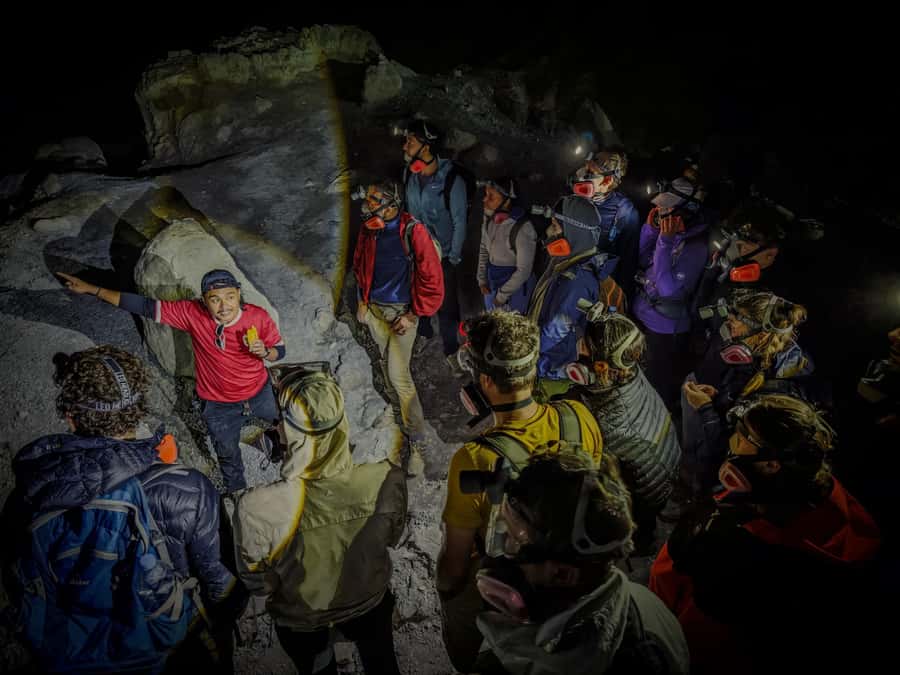
- Blue fire access is restricted post-earthquake: you view it from about 500 meters off the crater limits, not from inside the crater area.
- Night start is early: for Ketapang port or Banyuwangi Train Station pickup, you’re ready at 23:00.
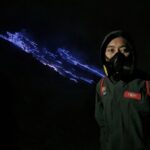
- You get practical gear for the dark and fumes: a bright headlamp and a gas mask with respirator are included (bring warm layers too).
- Warm drink up top: expect coffee or tea during the summit/sunrise phase, which helps when the air is chilly.
- Not a private tour: other participants join, so the pacing and crowd level can vary.
- There are extra costs on top of the $15: IDR 300,000 per person for tickets/shared components isn’t included.
Why Mt Ijen’s blue fire is worth the hard start
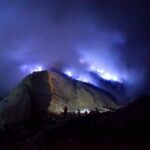
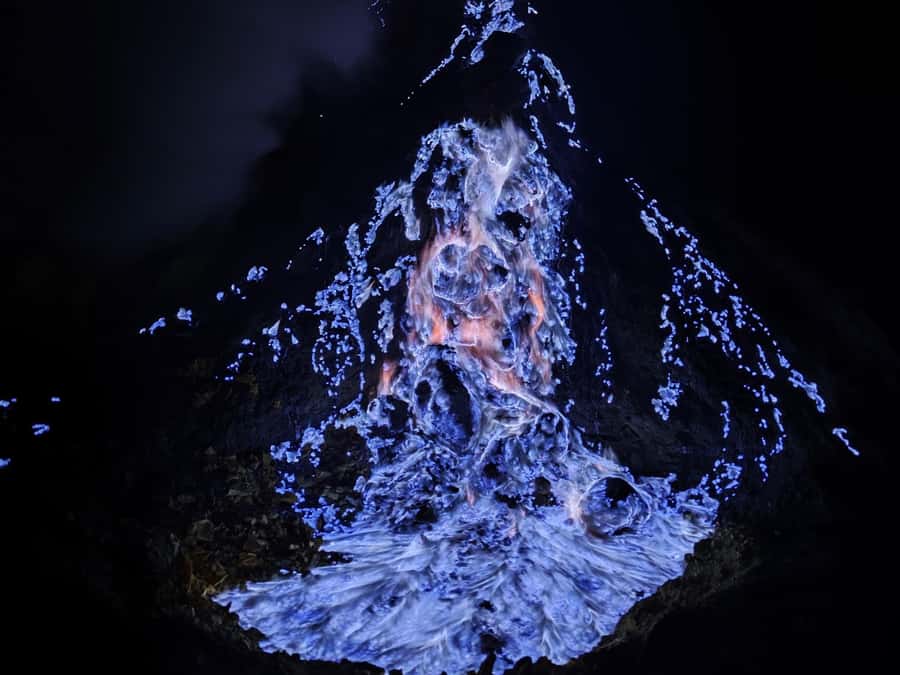
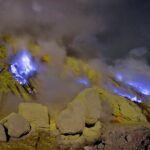
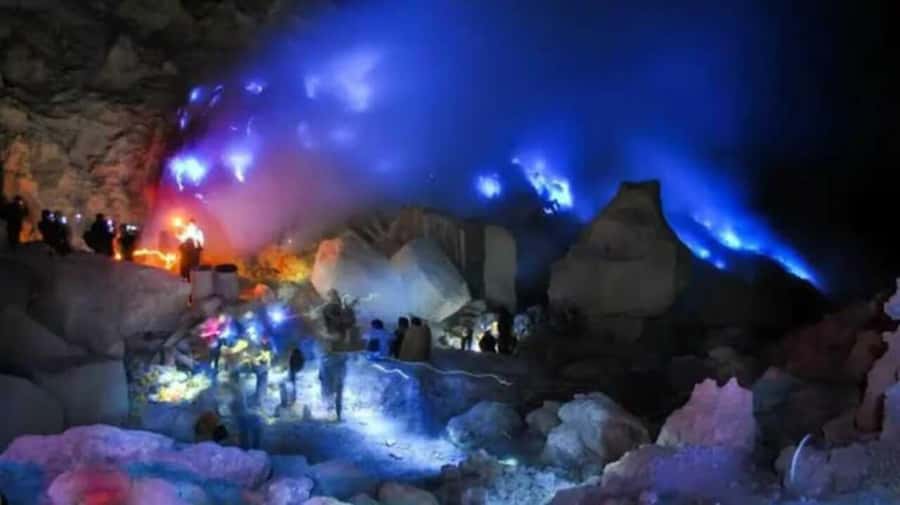
Mt Ijen (Kawah Ijen) is one of those rare places where the highlight is not just a view. It’s a natural phenomenon: sulfuric gases ignite and create a blue flame that can look unreal against the night. Seeing it is the point, but the hike is also where the story builds—dark trail, headlamps cutting through the slope, and then the crater activity comes into focus.
I also like that this tour is built around a simple sequence: hike in the dark, view the blue fire, then reset your energy for sunrise. That rhythm matters. A lot of people arrive at volcano viewpoints only thinking about the photo. Here, the timing and the crater experience are treated as the real package.
The other draw is that you’re not on your own. The tour is run with a local guide component and a team led by Qim Qim, who’s known for keeping the mood up and answering volcano questions while you move.
You can also read our reviews of more tours and experiences in Banyuwangi.
The 8-hour flow: midnight pickup, night hike, sunrise return
This is an 8-hour outing, starting late at night and ending after sunrise. If you’re coming from Banyuwangi or Ketapang, there are multiple pickup/meeting options depending on what you select.
Here’s the practical way to think about the day:
- You’ll be in transport before the climb, then hike for several hours in the dark.
- You’ll reach the main viewing phase for the blue flame before sunrise.
- After sunrise, you hike back down and return toward the meeting point area.
A key detail for planning: for Ketapang port or Banyuwangi Train Station pickup, you should be ready at 23:00. That timing affects everything—what time you eat, whether you can get a decent sleep beforehand, and how cold you’ll be when you first step onto the trail.
Blue fire rules after July 2024: what you can and can’t do
Right now, access is shaped by safety regulations. Since the Ijen earthquake in July 2024, visitors are not allowed to go down into the crater (the area associated with blue-fire viewing). What does that mean for you?
In plain terms: you should expect to see the blue flames from the Ijen rims / about 500 meters off-limit rather than from deep inside the crater area. That restriction is huge, because a lot of older videos online show people closer to the sulfur pools.
Also pay attention to the general government regulation note that hikers are not allowed to see the blue fire in certain ways. The tour information you’re working from makes it clear the viewing is from a permitted distance. So when you book, align your expectations with a rim-view experience, not a crater-floor experience.
And one more timing catch: every first Friday of the month Mount Ijen is closed, so the hike won’t run then.
Hiking Kawah Ijen at night: the trail is the real workout
The night portion is where the tour becomes memorable for the right reasons—and where you need to be honest with yourself.
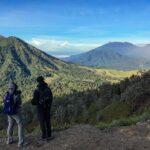
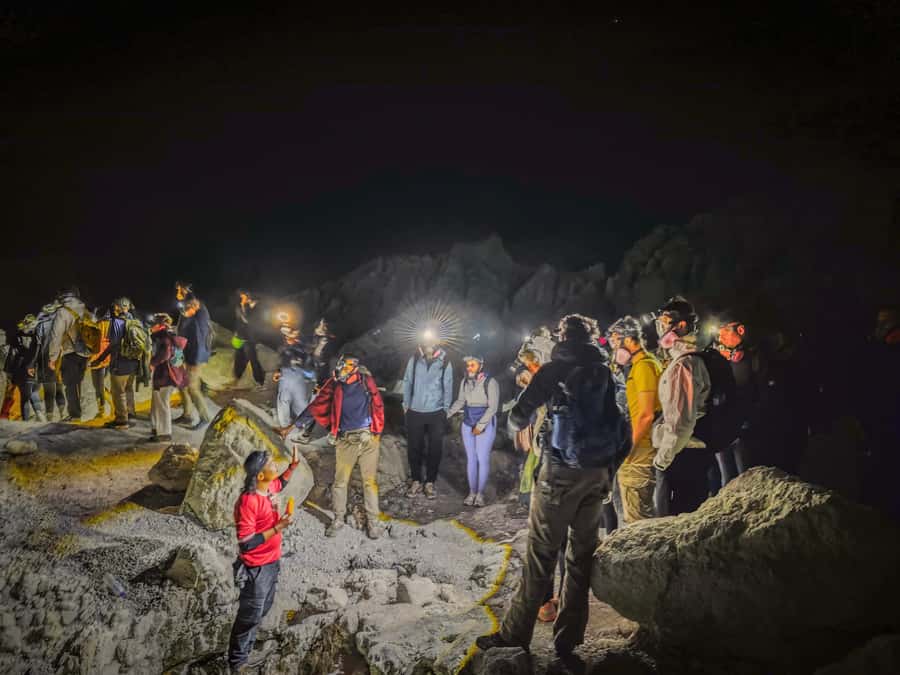
You’ll hike in darkness, guided by a headlamp and your local guide. The route is steep and rocky, and it can get slippery, especially with cold air and night mist. One negative experience I came away with from the info: shoes that don’t grip well can feel sketchy on the uneven sections. So I strongly recommend proper hiking footwear, not just low-grip sneakers.
You’ll also move through areas where sulfur gases are part of the atmosphere. That’s why the included gas mask with respirator is more than a gimmick. Still, you should bring common sense: if you start feeling overwhelmed, stop, breathe steadily, and follow your guide’s instructions.
Who should be cautious here?
- If you have back problems
- If you have heart problems
- If you have respiratory issues
This isn’t a gentle sunrise stroll. It’s a climb at night with cold conditions and real exertion.
Sunrise over the crater lake: the payoff after the dark climb
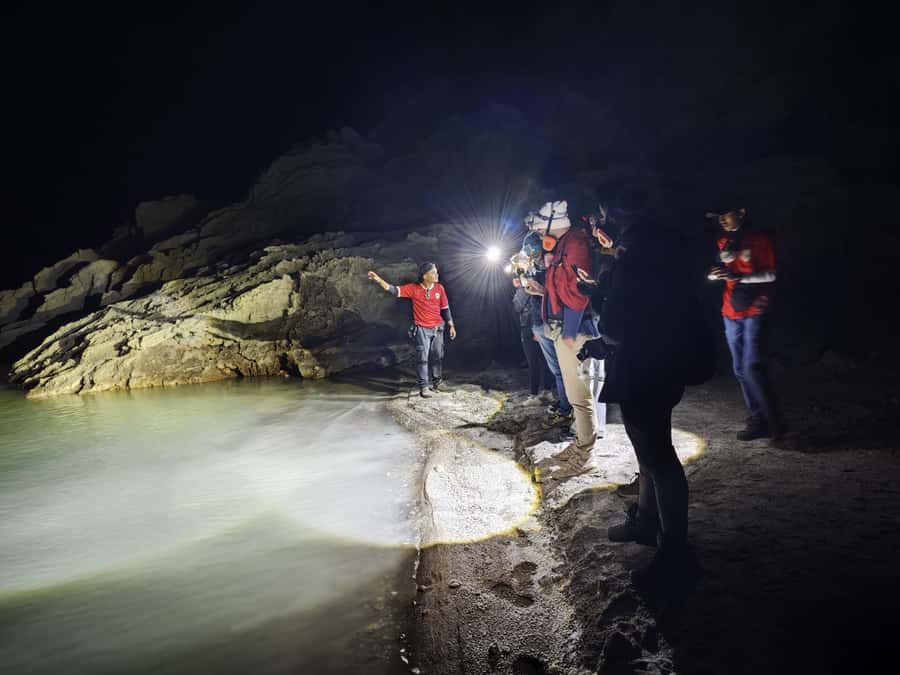
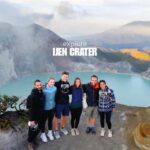
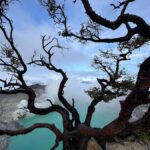
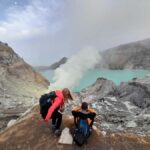
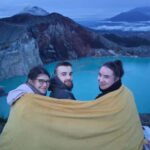
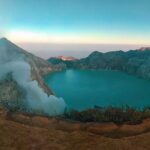
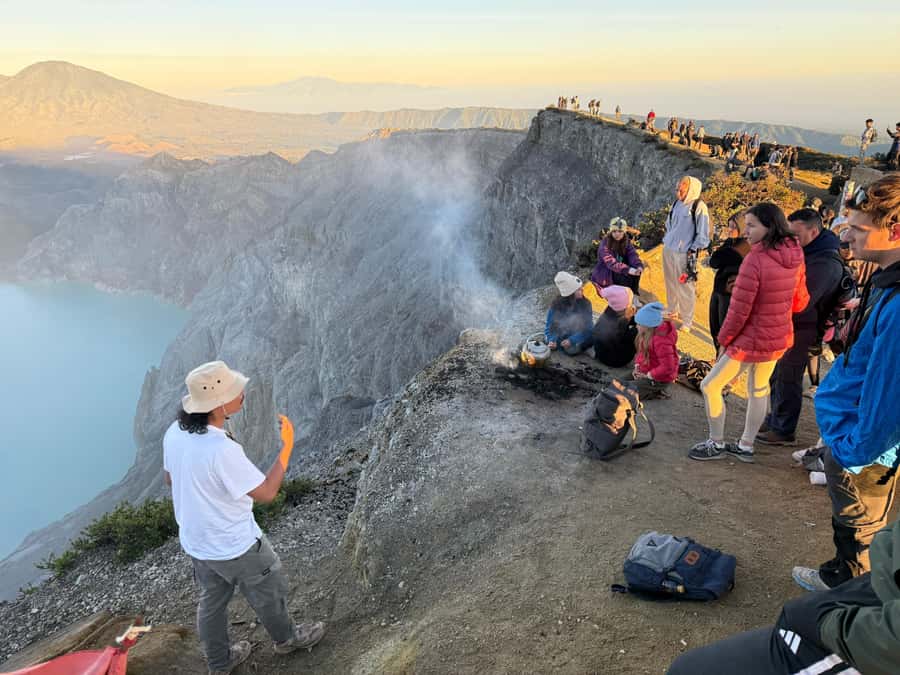
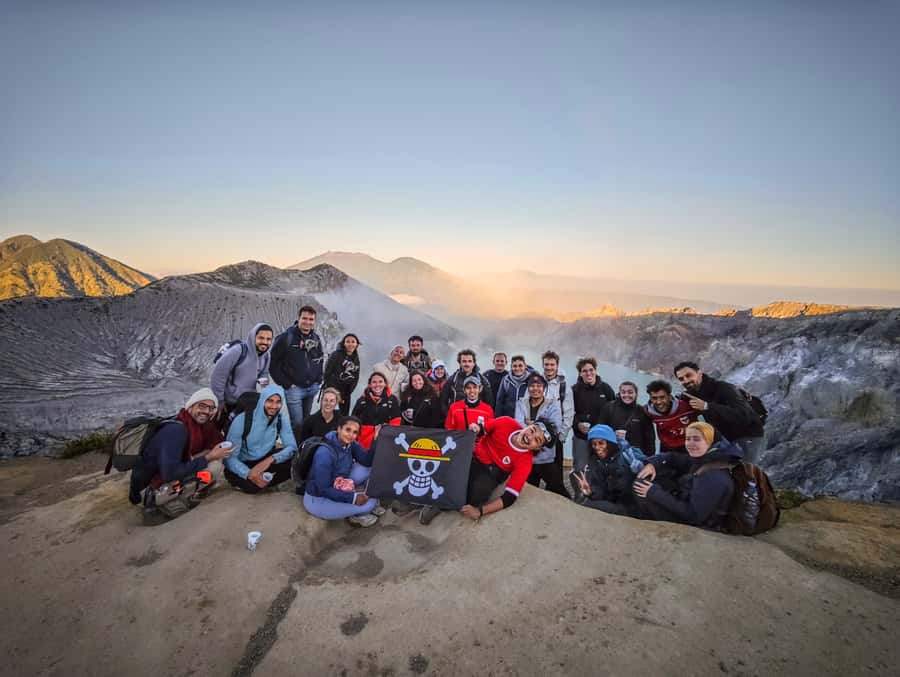
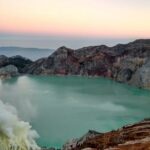
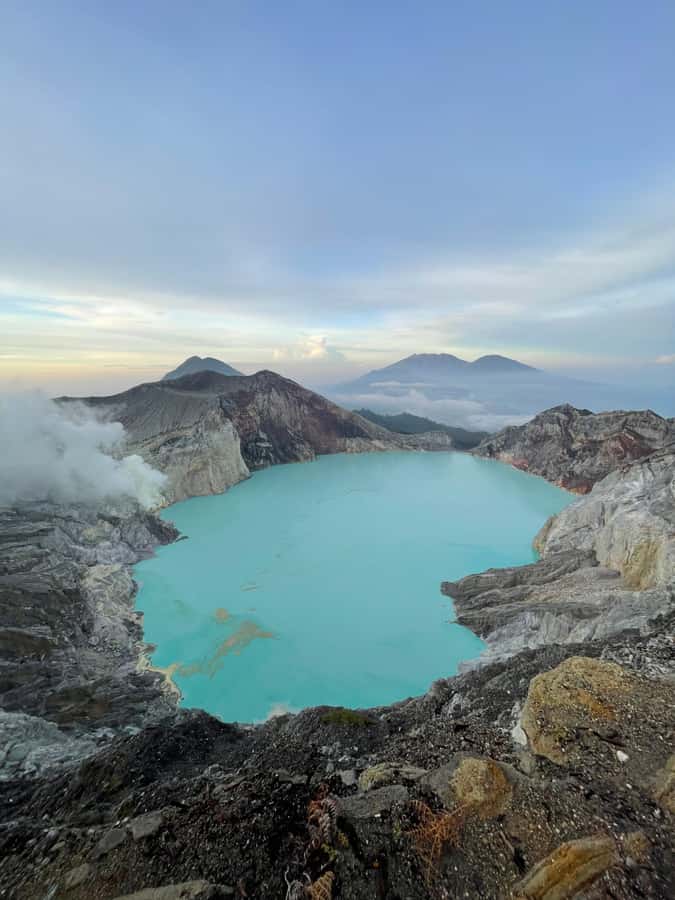
Once the sun starts coming up, the atmosphere changes fast. The crater lake view is a big part of why people push through the night hike. It’s not just about the light; it’s about how the whole volcanic scene becomes readable—shape, scale, and where the activity is happening.
And then there’s the warm drink moment. You’ll enjoy coffee or tea at the summit area. That break matters because it gives you a reset: you’re cold, your muscles are tired, and you still have to finish the descent.
One small detail that stood out from the experience reports: besides warm tea/coffee, some people noted a snack like fried banana as an extra comfort during the summit phase. Even if snacks aren’t guaranteed, plan to rely on the coffee/tea included.
Sulfur miners in action: seeing the human side of the crater
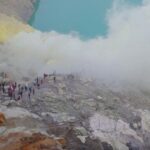
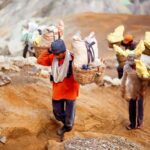
Mt Ijen isn’t only a natural attraction. It’s also a working landscape. As you hike during the pre-sunrise hours, you’ll see sulfur miners at work in and around the crater area.
That human element changes how you experience the blue fire. Instead of treating it like a show, you start understanding it as part of a real economic activity—people working near volcanic gases as part of their daily jobs. It’s one of the reasons I like this tour format: it pairs the dramatic phenomenon with the practical reality of the site.
When you’re there, keep your attention on what the miners are doing and how the environment shapes their routine. It adds meaning to the photos.
Gear and safety: gas mask, headlamp, and what you still must bring
Included gear on this tour covers some of the hardest parts of the night hike:
- Bright headlamp
- Gas mask with respirator
- Health certificate (as part of the experience setup)
But you still need to show up prepared for the human side of volcano weather. The tour guidance specifically says:
- Comfortable shoes
- Warm clothing
- Water
I’d treat warm clothing as non-negotiable. Even if it isn’t freezing, the climb starts cold and stays demanding. Layering helps more than you’d think.
Also, consider your photo strategy. A good headlamp and a guide who times your group’s arrival make a difference. People mention being able to spend enough time to take photos and observe the crater calmly, rather than being rushed past the best viewing moments.
Price and logistics: what $15 often doesn’t cover
The advertised price is $15 per person, duration 8 hours, but there are extra costs and optional add-ons you need to factor in before you fall in love with the number.
Here’s what’s explicitly listed as not included:
- IDR 300,000 per person for tickets, shared guide, and trekking equipment
That means you’re not just paying for transport and the hike. You’re also paying for access and key on-the-ground components.
There are also pickup details that can affect your final total:
- Hotel pickup/drop-off in the Banyuwangi central area is included only if you choose the option that includes it.
- For pickup/drop-off in the Licin area, there’s an additional IDR 150K per booking (not per person).
On the upside, this tour includes useful items that save you hassle:
- headlamp
- gas mask
- coffee/tea
- transport from the meeting point to Mt Ijen
- the ability to skip the ticket line
One more practical note: this is a shared tour. That’s normal for this kind of hike, but it means you’ll be moving with a group pace and group logistics.
Meeting points and where you’ll end up after the hike
Your exact meeting point depends on the option you pick. The tour mentions multiple handoff points and drop-off locations, including:
- McDonald’s A. Yani, Banyuwangi
- Licin
- Ketapang Harbour
- Banyuwangi
If you’re arriving by train to Banyuwangi, note the readiness time for pickups: 23:00 for the port/train-station options.
One practical tip: send your WhatsApp number. Communication matters when you’re coordinating late-night pickup and a dark start.
Language and guide style: Qim Qim’s team keeps it practical
The tour operates with a live guide in English, Indonesian, and Malay. That helps a lot if you want to understand what you’re seeing—especially sulfur activity, the crater setup, and the viewing restrictions.
The strongest praise tied to the guide team: people highlight Qim Qim and his group for constant good energy, helpful answers, and smooth timing. In a hike like this, that kind of guidance can be the difference between stress and confidence.
Who should book this Ijen Blue Fire option
This is a great fit if you want:
- the blue fire experience and sunrise crater views in one structured trip
- a guide-led hike with practical gear (headlamp + mask)
- a group that can handle the physical demands of a night volcano climb
It’s a weaker fit if:
- you have back, heart, or respiratory issues
- you hate cold early starts and steep night hiking
- you’re expecting an intimate private crater-floor experience (current restrictions limit close access)
Should you book this Mt Ijen Blue Fire tour?
I’d book it if your priority is the big Ijen moment: blue fire at night, sunrise over the crater area, and sulfur miner context—handled with a real guide team and the gear that matters. The value is strongest when you factor in what’s included (headlamp, gas mask/respirator, coffee/tea, transport, and ticket-line skipping) and when you’re prepared for the extra Indonesian fees (like IDR 300,000 per person).
Don’t book it if you’re not comfortable with a steep, cold, physically demanding climb at night or if you fall into the health categories listed as not suitable.
If you do book, plan smart: wear supportive footwear, bring real warmth, and set expectations around viewing the blue fire from the permitted rim distance after the 2024 earthquake rules.
FAQ
How long is the Mt Ijen Blue Fire with sunrise tour?
The duration is 8 hours.
Where does the tour start from?
You’ll start from a meeting point that depends on the option you book, with pickup/transport connections from Banyuwangi or Ketapang Harbour.
What time should I be ready if I’m picked up at Ketapang port or Banyuwangi Train Station?
You should be ready at 23:00 for pickup from Ketapang port or Banyuwangi Train Station.
Is this a private tour?
No. It’s not private, and other participants may join.
Will I be able to go down into the crater to see the blue fire?
No. After the July 2024 earthquake, visitors are not allowed to go down to the crater. Viewing is allowed from about 500 meters off the crater limits from the Ijen rims.
Are there any days when Mount Ijen is closed?
Yes. Mount Ijen is closed every first Friday of the month.
What gear is included for the hike?
The tour includes a gas mask with respirator and a bright headlamp.
What is included for food and drinks?
You’ll get morning coffee and tea (served at the summit area).
What extra costs are not included in the price?
Not included are IDR 300,000 per person for tickets, shared guide, and trekking equipment.
What should I bring with me?
Bring comfortable shoes, warm clothing, and water.