Java’s volcano mornings start before sunrise. This 3-day Bromo–Ijen route is interesting because it compresses two of Indonesia’s most iconic volcanic experiences into one efficient plan, with a real local guide at Ijen and early-morning Bromo access that helps you see the big stuff with less hassle. I especially like how smoothly they handle logistics from Yogyakarta to East Java, and how the Ijen trek includes safety gear like a headlamp and a gas mask. The main drawback to consider is sleep: you’ll be up very early for Bromo, and Ijen is also a night trek, so plan for exhaustion in exchange for big views.
You get a small-group feel and a driver who keeps the long drives moving, which matters because Java road time adds up fast. The icing on the cake is that the “blue flame” moment at Ijen is not guaranteed, so your best work here is showing up ready to be flexible when the weather has opinions.
In This Review
- Key Things That Make This Tour Worth Your Time
- The Big Picture: Volcano Physics Meets Real-World Timing
- Yogyakarta Morning Start: Long Drive, Easy Beginnings
- Bromo Sunrise and Caldera Walk: The Most Dramatic Early Morning
- After Bromo: Check Out, Then Point East Toward Ijen
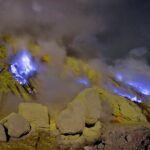
- Ijen Crater: Blue Flames Are the Bonus, Not the Contract
- The Ijen Trek at Night: Gear, Timing, and What to Expect
- Where the Guides and Drivers Make the Difference
- Madakaripura and Other Extras: Optional, but Often Smart
- Getting to Bali: Ferry Cross and a Clean Finish
- Price and Value: Why $246 Can Make Sense (and When It Might Not)
- Where You’ll Sleep and What That Means for Comfort
- What to Pack (So You Don’t Hate Your Life at 03:00)
- Who This Tour Fits Best
- Should You Book This Bromo–Ijen–Bali Route?
- FAQ
- How long is the trip?
- What’s the price per person?
- What time do we start for Bromo sunrise?
- Is the blue flame at Ijen guaranteed?
- What time does the Ijen trek begin?
- Is Ijen closed on any dates?
- What’s included for the Ijen trek?
- What’s not included, especially for food and Bali?
Key Things That Make This Tour Worth Your Time
- Bromo sunrise timing: pickup around 03:00 for sunrise viewpoints, then a caldera walk
- Ijen gear included: headlamp and gas mask for the crater trek
- Local guiding at Ijen: you’ll learn about the mining work and how the area works
- Small-group pace: less crowding vs. DIY chaos
- Driver-driven logistics: hotel pickup, inter-area transfers, and Bali ferry/drop-off coordination
The Big Picture: Volcano Physics Meets Real-World Timing
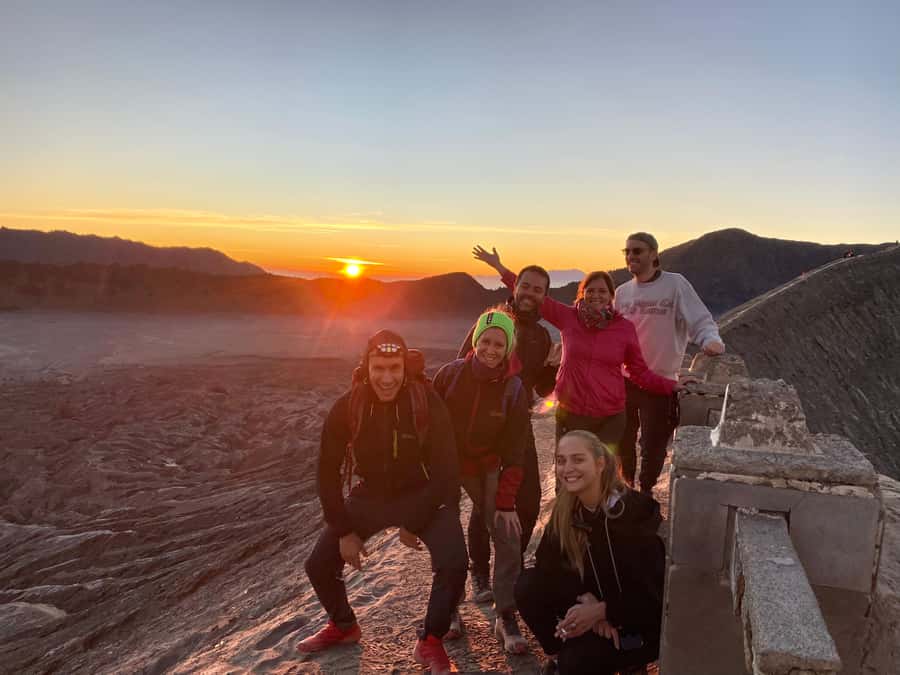
This trip is basically two very different volcano experiences, stitched together by long-but-managed travel days. Bromo gives you classic sunrise scenery plus a crater rim walk. Ijen gives you a night trek to a steaming crater and the famous blue flame effect—when conditions cooperate.
What makes it feel “worth it” is the rhythm. You’re not just getting driven to viewpoints; you’re getting placed at the right time, then moving with a guide when it counts. The pace is intense, but you shouldn’t have to think about schedules, tickets, or where to meet.
You can also read our reviews of more tours and experiences in Banyuwangi.
Yogyakarta Morning Start: Long Drive, Easy Beginnings
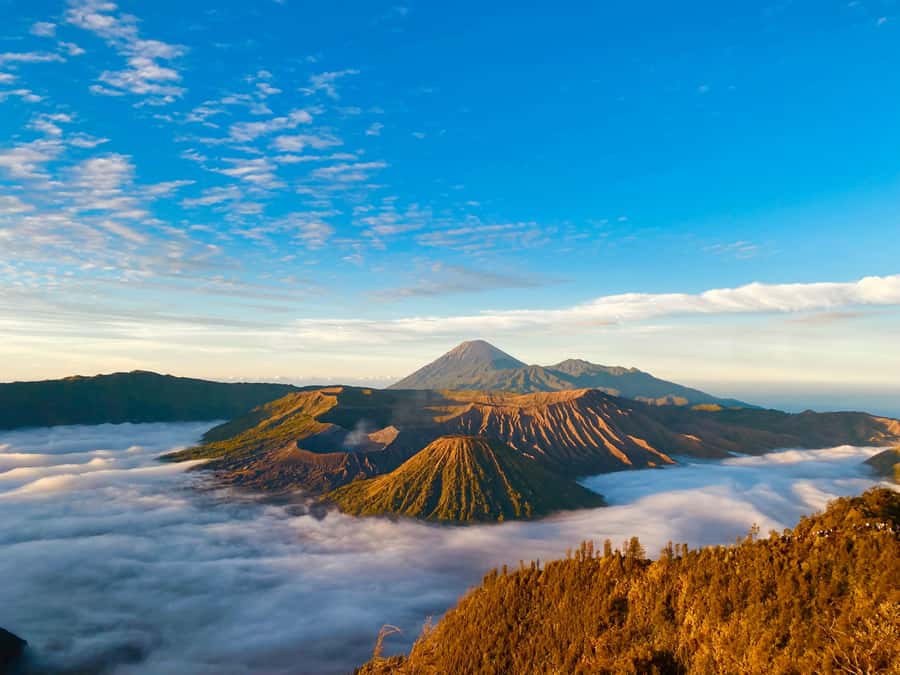
Your day starts with pickup from your Yogyakarta hotel around 08:00. The drive is about 7 hours, and you can ask the driver for a lunch stop along the way. Once you reach your Bromo-area accommodation, you’ll have free time to rest—because the next day starts shockingly early.
If you choose the train option, you’ll still get picked up in Yogyakarta and transferred to the station. Then you’ll ride a scenic train to Probolinggo or Surabaya, followed by a private vehicle to the Bromo accommodation. Either way, the goal is the same: get you positioned near Bromo so sunrise happens with less stress.
Practical tip: treat this first day as your “recovery day.” The itinerary gets early and dark again fast, so use the evening to get warm clothes ready, charge your phone, and sleep like it’s your job.
Bromo Sunrise and Caldera Walk: The Most Dramatic Early Morning
On the second day, pickup happens around 03:00 for the Bromo sunrise viewpoint. Sunrise over Mount Bromo is the headline moment: you’ll see the big volcanic silhouettes (including Mt Batok and Mt Semeru in view on clear mornings) with the light turning the sea of sand into something unreal.
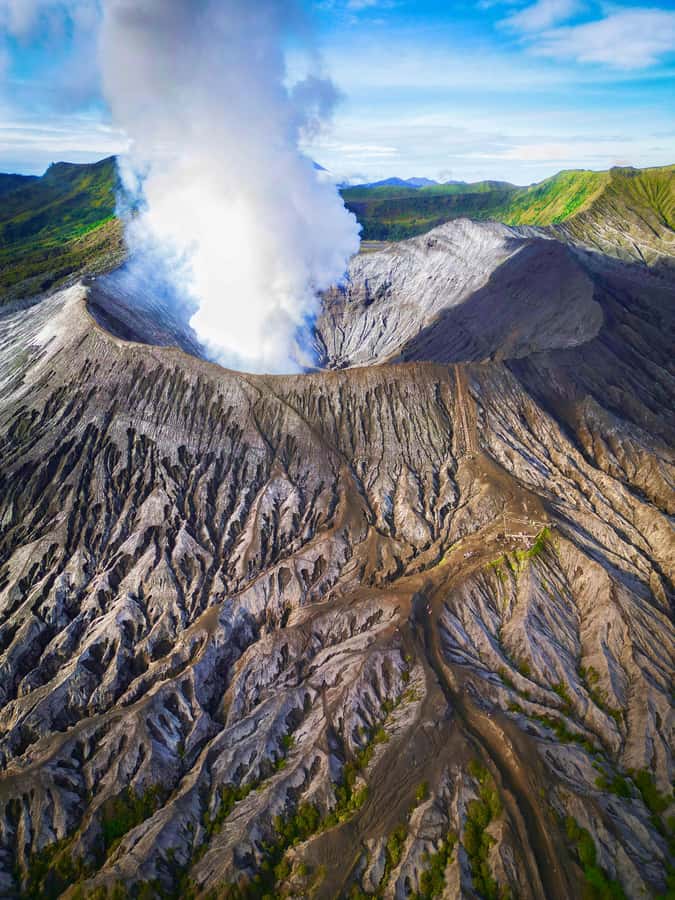
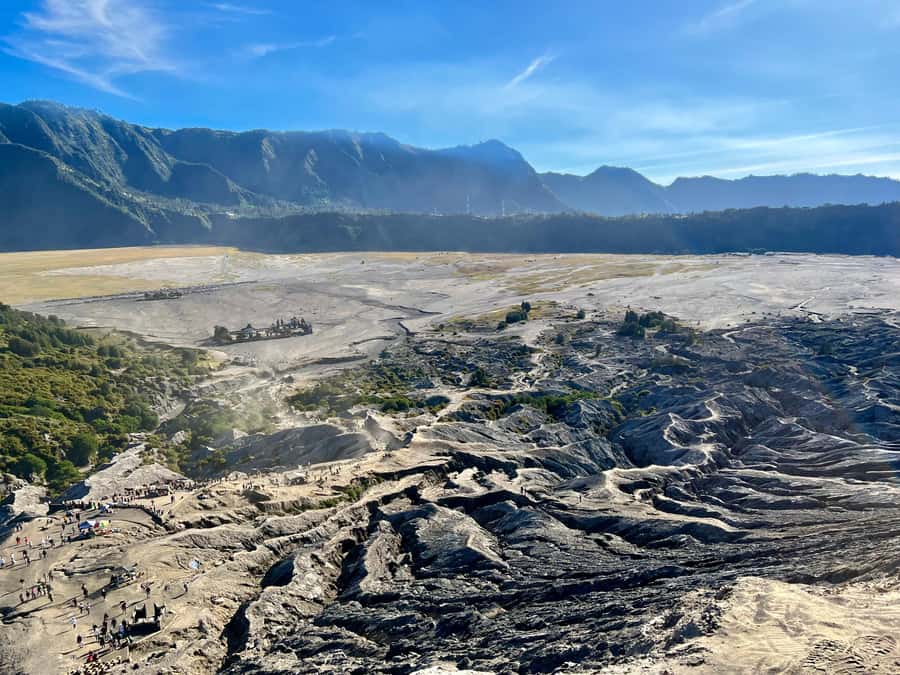
After sunrise, you move by Jeep toward the Bromo crater area. From there, you walk out along the sandy terrain to reach the caldera rim for crater views. This is the part where you feel the volcano up close: steam, color changes in the rocks, and a sense that the ground is always doing something.
Two things I like about this Bromo setup:
- You’re there before the day fully gets going, which keeps the experience calmer than going later.
- You get both sunrise viewpoint and crater access, so it’s not just a photo stop.
One consideration: it can be very cold and very windy while you’re waiting. In an August trip, people reported temps around 10°C, so bring real warm layers. Comfortable shoes also matter here, because sand + early mornings can test your patience.
After Bromo: Check Out, Then Point East Toward Ijen
Once sunrise and crater time are done, you’ll head back to your accommodation for breakfast and then check out around 10:00. Then the drive to the Ijen area begins (about 4 hours).
This transition day is important because Ijen is the opposite of casual. You’re not just driving to a scenic spot—you’re positioning for a night trek with a lot of time on your feet in a volcanic environment. Use the travel time to eat, re-pack your bag, and keep essentials easy to reach.
Also note a key calendar detail: Ijen is closed on the first Friday of every month. If your dates land there, you’ll need to adjust your travel plan.
Ijen Crater: Blue Flames Are the Bonus, Not the Contract
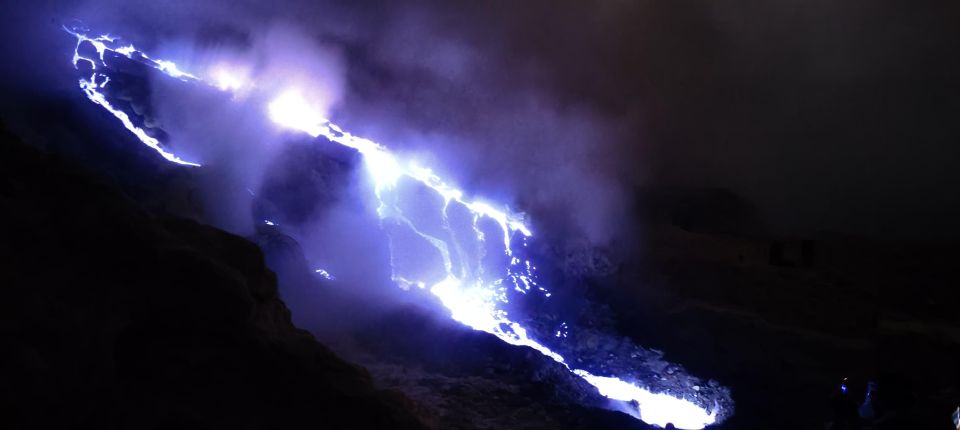
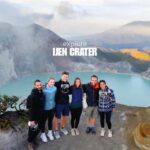
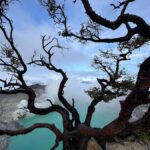
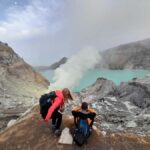
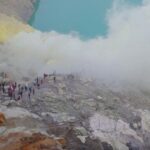
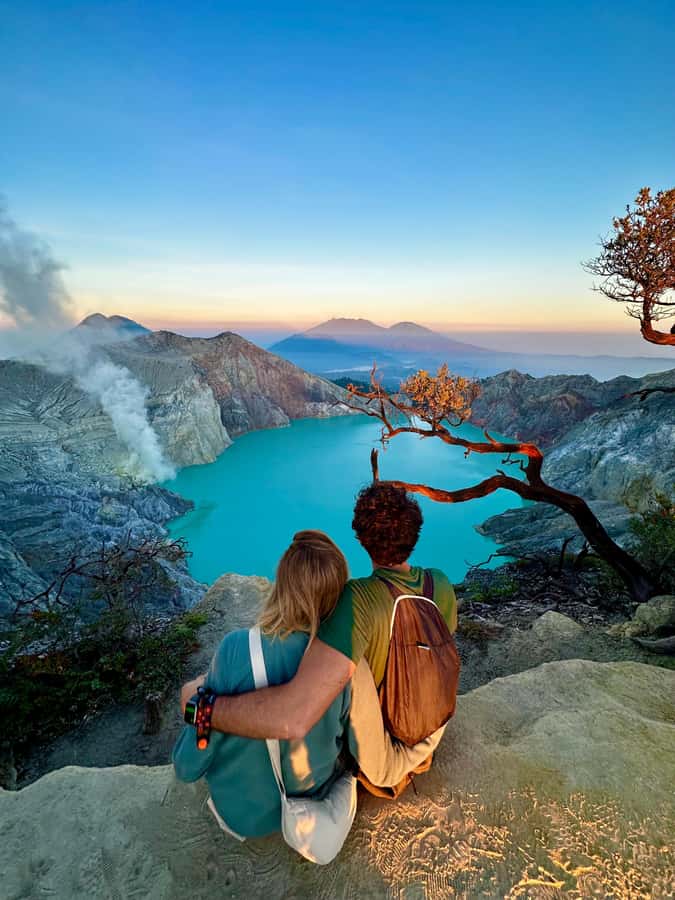
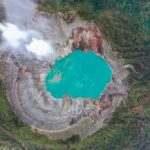
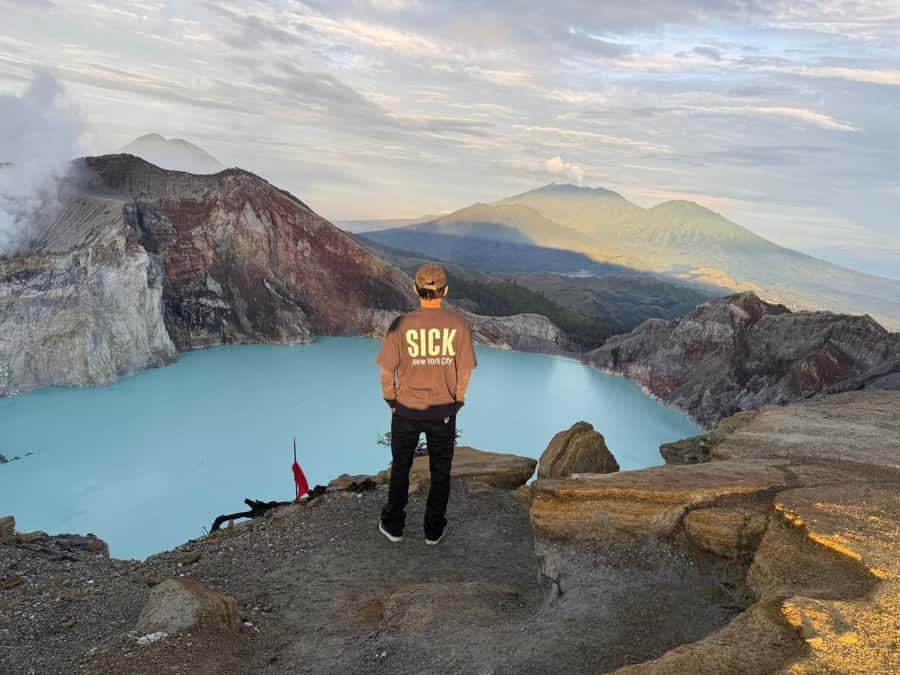
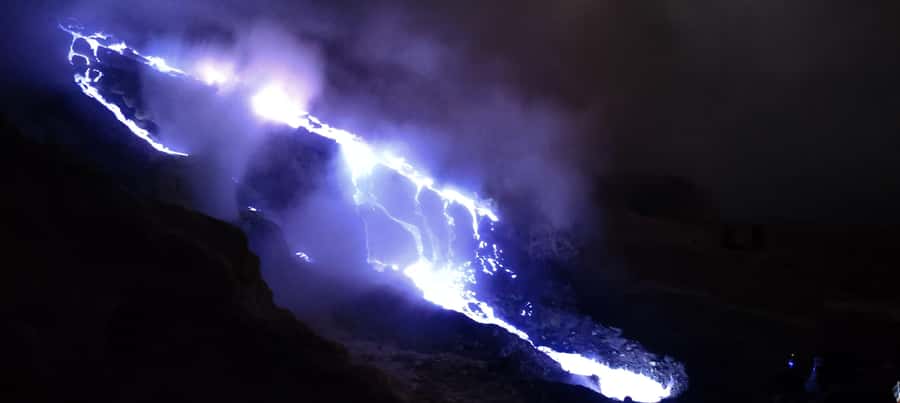
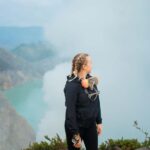
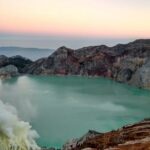
Ijen is known for two things: the crater’s intense activity and the famous blue flame phenomenon. The “blue flame” depends on weather and other conditions, so it’s not guaranteed. Still, even if the flames don’t show, the crater atmosphere—steam, sulfur smells, and the scale of the mining activity—is worth the trip.
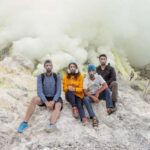
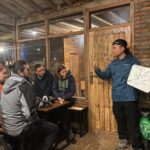
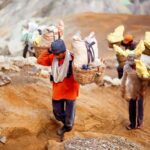
This is where the tour’s guide focus really pays off. A local guide (you may be matched with someone like Kim Kim) helps you understand what you’re seeing: the mining work happening around the crater, and why the area looks the way it does. That context turns the experience from sightseeing into something more meaningful.
In the best-case scenario, you also catch sunrise at Ijen and see the blue flame. In the average scenario, you still get a dramatic crater trek with a knowledgeable guide. Either way, you’ll come away with a “I can’t believe this is real” feeling.
The Ijen Trek at Night: Gear, Timing, and What to Expect
The third day starts very early. You check out, then drive to the Ijen meeting point (around 02:00). The trek begins at about 02:00, and the total trek time is about 4–5 hours.
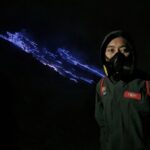
You’ll head uphill in the dark, then at the crater you’ll wait for the moment everyone talks about. Timing is tight, and that’s why the tour includes trekking equipment at Ijen: a headlamp and gas mask, plus a health certificate requirement tied to the trekking process. Even if you consider yourself prepared, this is the right call—volcanic air isn’t something you want to improvise.
A key detail: the experience can be physically challenging, and it’s not suitable for people with mobility impairments. You’ll need steady footing, stamina, and the ability to handle cold night temperatures while moving in a rugged environment.
Another practical note: your start time is early enough that you should treat your bag like a checklist. Bring warm clothing (long pants, layers), and keep your headlamp accessible. If you’re the type who forgets gloves, this is your warning shot.
Where the Guides and Drivers Make the Difference
Good volcano trips are half logistics, half people. What stands out here is how often the driver and guide experience shows up in the trip itself.
You might be with a driver like Nasir, Jerry, Nando, or Nanda, all described as reliable, communicative, and helpful on long Java roads. That matters because the drive times are real, and small comfort details—pace, reminders, smooth driving—keep the days from feeling like a stressful commute.
At the guiding level, you could also be matched with local guide names like Sulee, Bagus, or Kim Kim. The consistent theme is explanation. The best part isn’t just watching the volcano; it’s learning what local workers do and how the crater environment changes through the day.
If you want an experience that feels organized and human at the same time, this tour tends to deliver that.
Madakaripura and Other Extras: Optional, but Often Smart
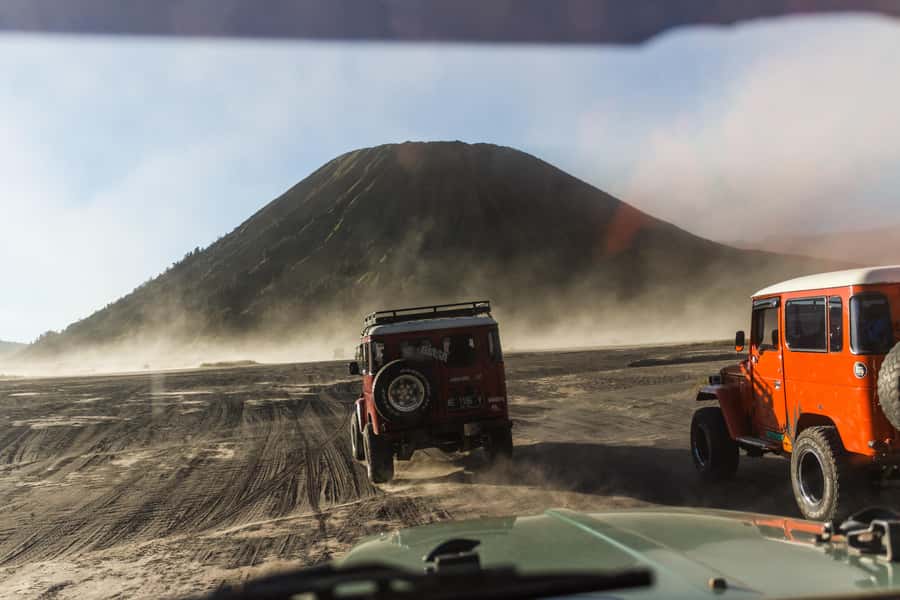
Along the way, your driver may suggest a stop for an extra like Madakaripura Waterfall. This is described as optional but strongly recommended by people who did it. Since the base trip is already packed, you should only add extras if your energy is holding up—especially after the Bromo sunrise.
If you do add an extra, treat it like a bonus, not a second plan that can steal time from Ijen prep.
Getting to Bali: Ferry Cross and a Clean Finish
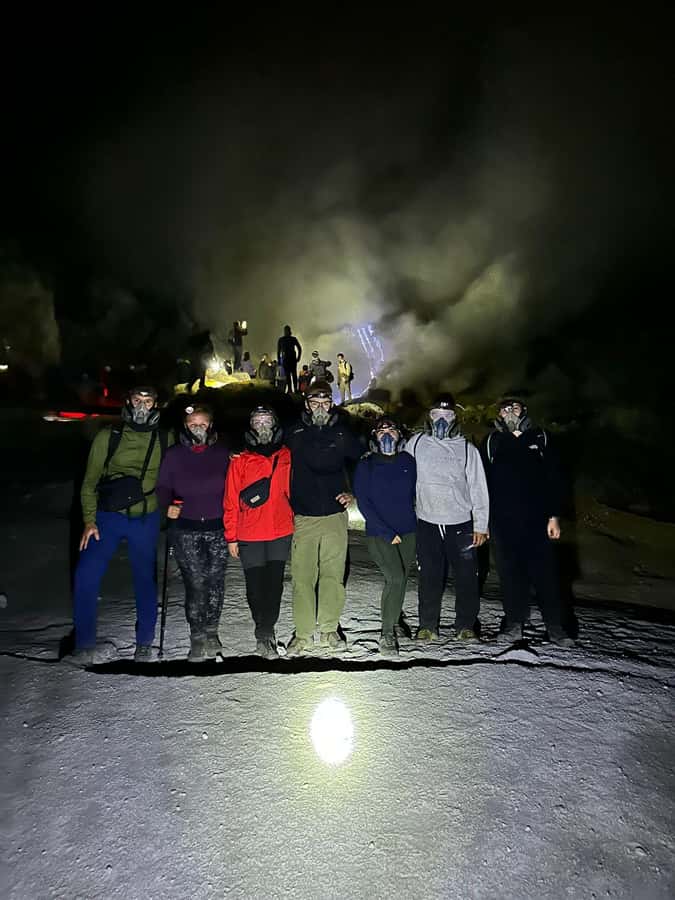
After the Ijen trek, you’ll depart the crater around 07:30 and drive about 1.5 hours to Ketapang Harbour. Then you’ll cross by ferry and continue to Bali.
The tour can include a Bali hotel transfer service depending on your option. One big reminder: accommodation in Bali is not included in the listed inclusions, so you’ll want to plan your Bali lodging separately.
Still, the coordination at the finish matters. You’re leaving a physically intense volcano morning and heading straight into a travel handoff. Having the ferry ticket and drop-off process handled helps you avoid the common “what now?” feeling.
Price and Value: Why $246 Can Make Sense (and When It Might Not)
$246 per person for 3 days is not cheap in budget terms, but it can be solid value because you’re buying several things together:
- intercity transport across Java
- hotel pick-up and drop-off
- 2-night accommodation included near Bromo and Ijen (breakfast included)
- entrance/admission fees
- Ijen trekking guide + Ijen trekking equipment
- ferry ticket to Bali
- English-speaking driver (and guide support)
What you’re not paying for:
- lunch and dinner
- your Bali hotel (not included)
- optional extras
So here’s the practical way to judge value for yourself: if you would otherwise need to book transport, entrance tickets, guide gear, and internal timing separately across two volcano areas, the package becomes easier to justify. If you’re the type who wants to slow-travel and build your own route with flexible days, then you may feel this tour is “fast” and less personalized than DIY.
Where You’ll Sleep and What That Means for Comfort
You’ll stay for two nights: one in the Bromo area and one near Ijen. The exact accommodations are listed as options depending on availability, such as Lava View Lodge, Cafe Lava, or Bromo Kecombrang for Bromo, and Ijen View Hotel & Resort Bondowoso, Grand Padis Hotel, Riverside Homestay, or Grand Harvest Resort & Villas for Ijen.
Why this matters: the quality of sleep can make or break a night trek. Even if rooms aren’t luxury, a decent, functional place close to the action is what you need. With sunrise and crater timing, the “location vs. features” trade-off usually wins.
What to Pack (So You Don’t Hate Your Life at 03:00)
This trip gives you sunrise prep time and early-night trekking. That means your pack needs to be functional, not fancy.
Bring:
- passport or ID card
- comfortable shoes
- warm clothing
- long pants
I’d also add common-sense items you already know help on volcano trips (extra layers, a small headlamp backup if you have one, and dry socks if you tend to get cold). You’ll be using the included headlamp at Ijen, but having backup comforts can save the day.
Who This Tour Fits Best
This is best for you if:
- you want a structured plan for two volcano highlights in just 3 days
- you’re okay with limited sleep in exchange for serious experiences
- you like guided context, not just photos
It’s not a great fit if:
- you have mobility limitations
- you struggle with very early wake-ups and night trekking
Solo travelers often do well here because the small-group structure reduces uncertainty. Couples also enjoy it, especially if you want the guide to handle meeting points and transitions.
Should You Book This Bromo–Ijen–Bali Route?
If you’re chasing sunrise at Bromo and the crater experience at Ijen, I think it’s a strong buy—especially because Ijen trek gear and a local guide are included, and the transport is coordinated end to end. The blue flames at Ijen are not guaranteed, but the trek itself, the mining context, and the early-morning experience are still the main reason to go.
Book it if you can handle cold mornings, night starts, and a packed pace. Skip it if you want comfort-first travel or you’re sensitive to sleep loss.
FAQ
How long is the trip?
It runs for 3 days.
What’s the price per person?
The price is listed as $246 per person.
What time do we start for Bromo sunrise?
Pickup for Bromo sunrise point is scheduled for around 03:00.
Is the blue flame at Ijen guaranteed?
No. The blue flames at Ijen are not guaranteed and depend on weather conditions.
What time does the Ijen trek begin?
The trek starts at 02:00, with a total trekking time of about 4–5 hours.
Is Ijen closed on any dates?
Yes. Ijen is closed on every first Friday of the month.
What’s included for the Ijen trek?
The tour includes trekking equipment at Ijen, including a headlamp and a gas mask, and it also involves a health certificate as part of the trekking setup.
What’s not included, especially for food and Bali?
Lunch and dinner are not included, and accommodation in Bali is not included (though there may be a Bali hotel transfer service depending on your option).