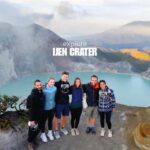
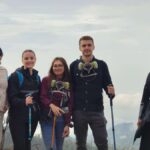
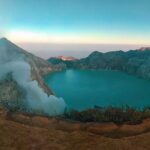
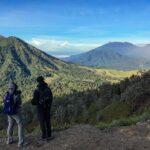
You’ll earn your sunrise at Ijen. I love the English-speaking guidance and the safety kit that makes the sulfur hike feel controlled, but the climb is steep and the wrong shoes turn it into a slipping challenge.
This is a real night-mountain plan: pickup from the Banyuwangi/Bali area, arrival at Paltuding before dawn, then crater time for Blue Fire and sulfur-miner activity, followed by sunrise and a careful descent. I also appreciate the practical extras like a headlamp and gas mask, plus first-aid support and portable oxygen, so you’re not relying on luck.
In This Review
- Key takeaways before you go
- A night hike to Kawah Ijen: why this tour feels different
- What’s included (and why it’s worth checking twice)
- The English-speaking guide support
- The pickup window and the Paltuding start: getting there on time
- The climb: steep steps, sharp edges, and a pace you can handle
- Cold can surprise you
- Blue Flame at Ijen: what you’re really paying for
- Sulfur mining and the sunrise transition: from darkness to action
- Getting back down: the part you should not rush
- Gear checklist that actually fits Ijen conditions
- Footwear reality check
- Safety and eligibility: who should think twice
- Medical certificate rules you must plan for
- Price and value: what $19 buys you in real terms
- Driver and road reality: winding roads are part of the deal
- The guide experience: names to watch for, and what good guidance looks like
- Who this tour suits best (and who it doesn’t)
- Should you book this Ijen Blue Fire & Sunrise experience?
- FAQ
- What time does the tour start from the Banyuwangi/Bali area?
- Is transport to Paltuding included?
- Are the gas mask and headlamp provided?
- Do I need an entrance ticket for Kawah Ijen?
- Is first aid and oxygen included?
- What should I bring for the cold weather?
- Do I need a medical certificate to hike Ijen?
- Is Ijen open on Fridays?
Key takeaways before you go
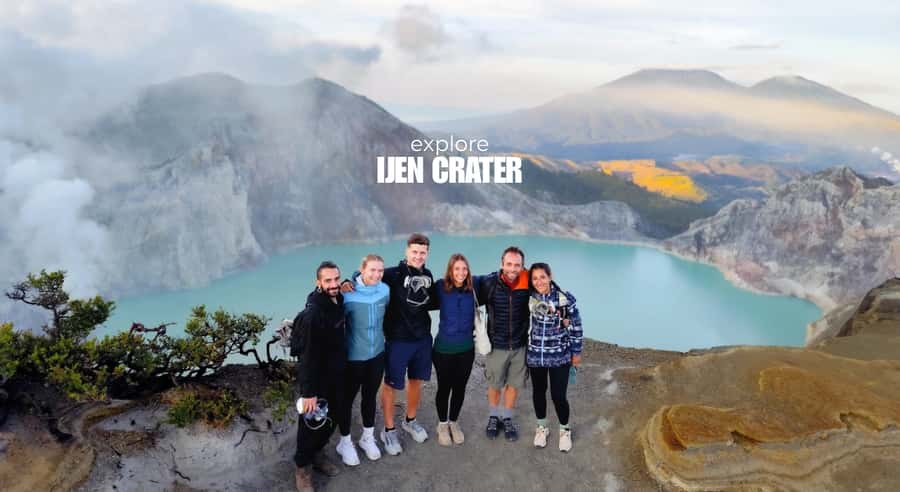
- Blue Fire happens at night: you go in the dark so you can actually catch the famous glow.
- You get more than a guide: gas mask, headlamp, first aid, portable oxygen, and water are part of the package.
- Footwork matters here: steep paths and sharp rocks mean you need proper trekking shoes, not casual sneakers.
- You’ll witness sulfur mining up close: sunrise brings you to the crater activity, not just views.
- It’s a hard outing, not a stroll: expect a serious incline and a pace that can be fast on the trail.
A night hike to Kawah Ijen: why this tour feels different
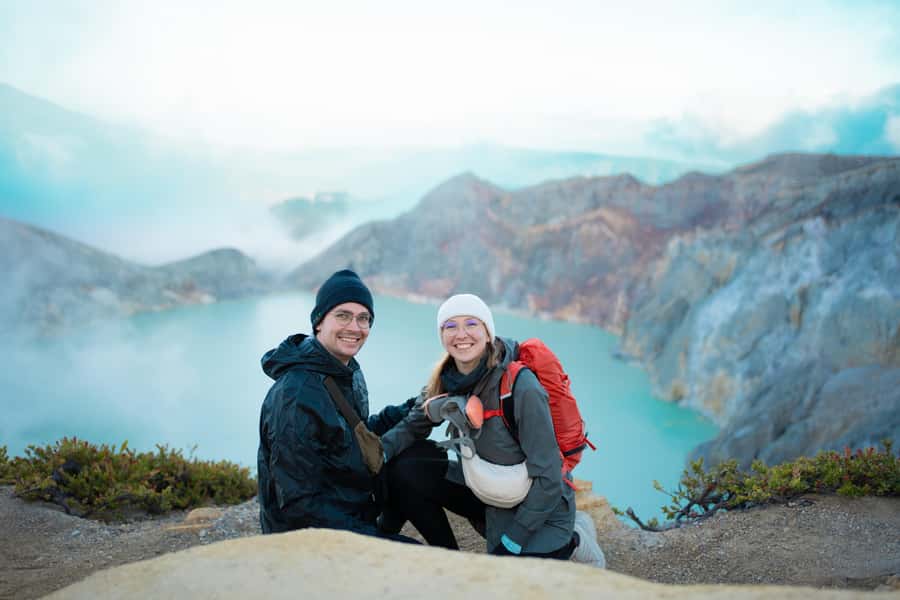
Kawah Ijen is the kind of place where the payoff is tied to timing and effort. You’re walking in darkness first, then seeing the crater wake up as the sky brightens. If you like “earned views,” this works because the best moments line up with your climb, not after it.
I like how the tour is built around the full arc: night crater access, Blue Flame viewing, then sunrise over the crater lake and the mining scene. This also helps you avoid the typical Ijen problem of showing up late, missing the lighting you came for, and having to rush everything.
You can also read our reviews of more tours and experiences in Banyuwangi.
What’s included (and why it’s worth checking twice)
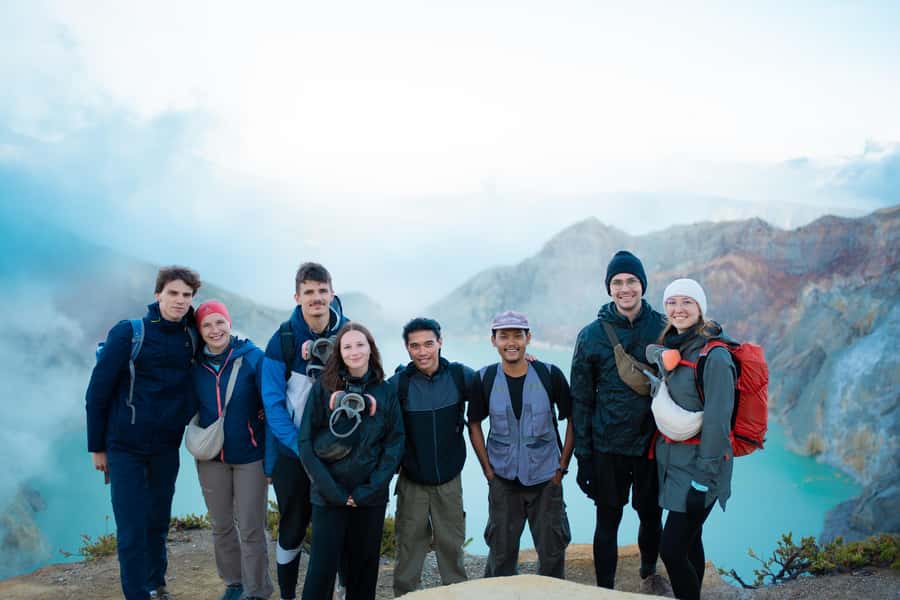
This is sold as a full package, and it largely delivers. You get transportation from the Banyuwangi/Bali area, a guide for briefing and hiking, and an entry ticket to Kawah Ijen. There’s also Kawah Ijen insurance listed as part of the deal.
Then there’s the safety stack, which is the real value at Ijen:
- Gas mask and headlamp for sulfur gas and low-light hiking
- First aid plus a portable oxygen tank
- Mineral water and a warm local snack (fried banana)
That “not just gear, but oxygen and first aid” detail matters because the sulfur area is intense. It also means your experience is less about improvising safety and more about following a plan.
The English-speaking guide support
The tour specifies English-speaking guidance, aimed at foreign participants. In practice, that means you’ll get briefing and hike-prep help, plus crater exploration guidance while you’re on the trail. If you’ve ever tried to navigate a technical sunrise spot with a weak explanation, you’ll appreciate having someone who can tell you what to watch and what to avoid.
The pickup window and the Paltuding start: getting there on time
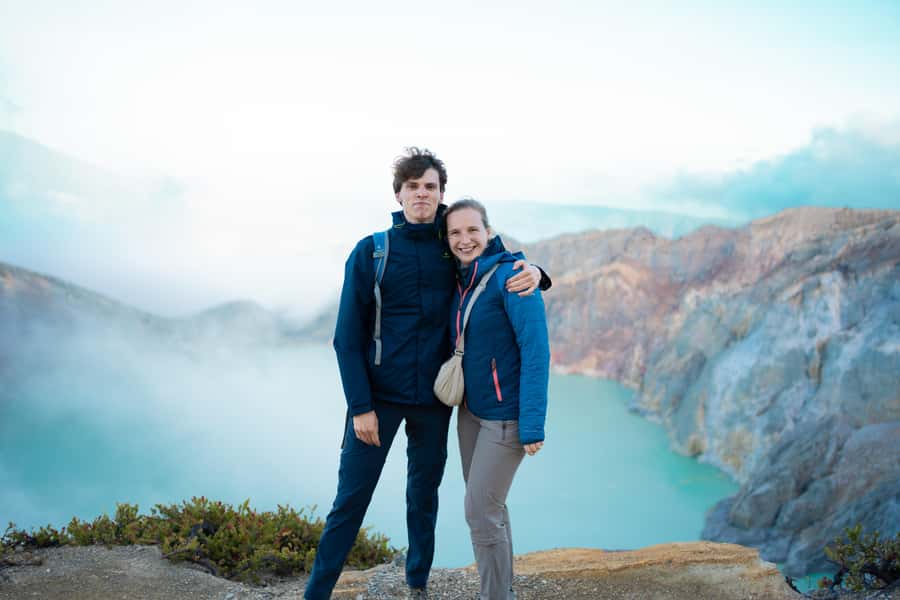
The schedule is built for a pre-dawn arrival. You start very early from the Banyuwangi/Bali area, then arrive around 01:30 at Paltuding, the starting point for the Ijen hike.
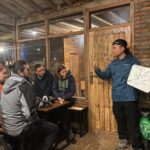
From there, you do a briefing and prep with the guide. You’ll be equipped with your headlamp and gas mask before the hike begins, which is a good setup because it means you’re not fumbling gear in the dark once you’re already moving.
One thing to mentally prepare for: this is an all-night day. You’ll be active in cold conditions and low visibility before sunrise, so your body needs an “I’m awake and ready” mindset, not a “let’s see later” attitude.
The climb: steep steps, sharp edges, and a pace you can handle
At around 02:00, the hike starts with an experienced guide. The trail is inclined, and you’ll notice it quickly when the ground turns rocky and uneven. Some guidance from reviews highlights that people who are not used to hiking shoes can slide near cliff areas, so footwear isn’t a suggestion here.
The tour also runs with the expectation that you can move steadily at altitude-like conditions and in cold pre-dawn air. Reviews praise guides for keeping you safe on a tough route, but the consistent message is simple: if you’re afraid of heights or not comfortable on steep trails, you should think hard.
Cold can surprise you
The note says temperatures can drop to 5–10°C. That’s not beach weather. Plan on a jacket and warmer layers, and consider gloves and a hat—especially since you’ll be outside long enough for wind to feel sharper than you expect.
Blue Flame at Ijen: what you’re really paying for
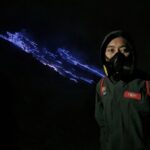
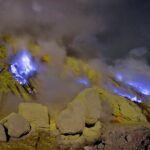
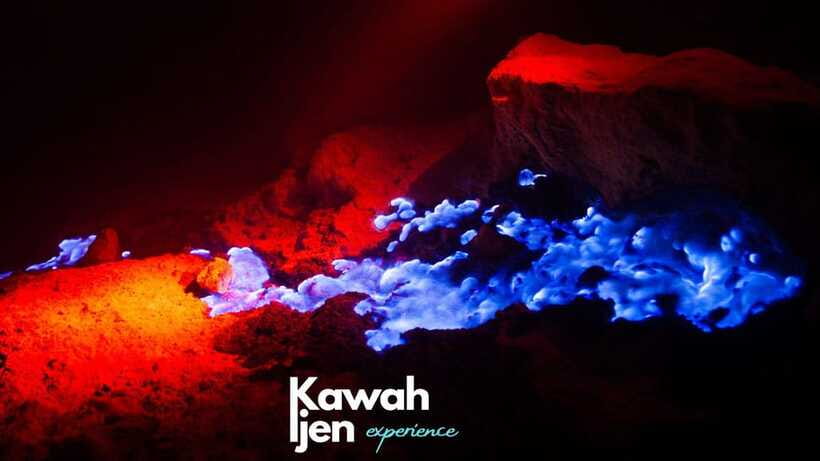
The famous Blue Fire (Blue Flame) is visible only at night, which is exactly why this tour starts so early. During the crater phase, you’re positioned to catch that glow coming from the sulfur gases.
This is also where the crater environment turns from “nature scene” into “technical setting.” You’ll be in a zone where the air can be hazardous, which is why the gas mask is included. The headlamp isn’t just for walking—it helps you see where to step while you’re waiting for the right moment.
From the experience notes, there’s also a focus on crater exploration and explanation from your guide. If you enjoy understanding what you’re seeing (not only photographing it), a guide-led approach helps you watch more carefully.
Sulfur mining and the sunrise transition: from darkness to action
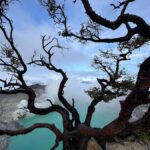
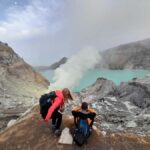
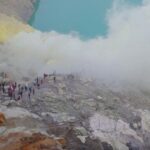
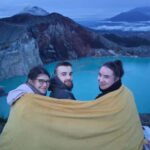
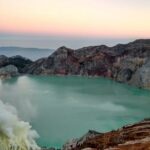
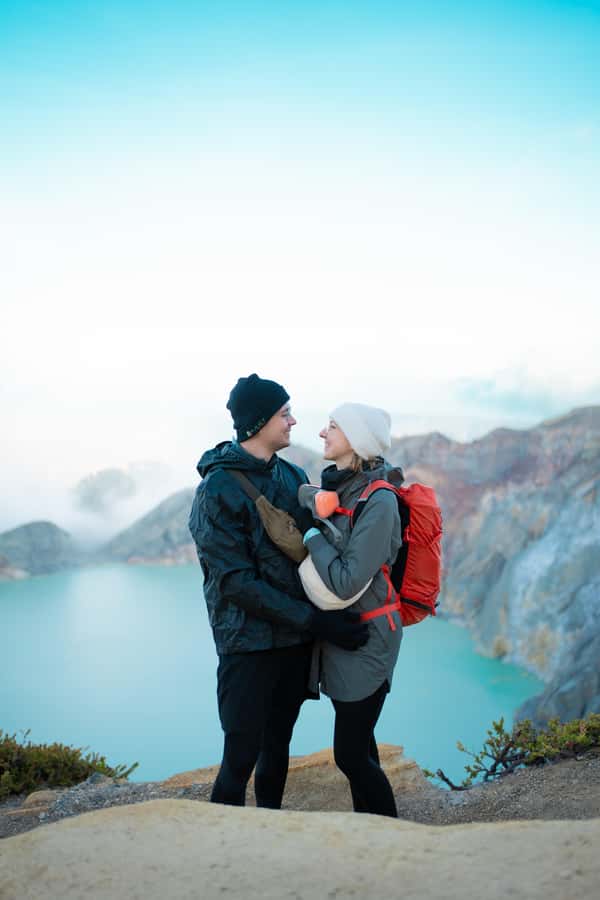
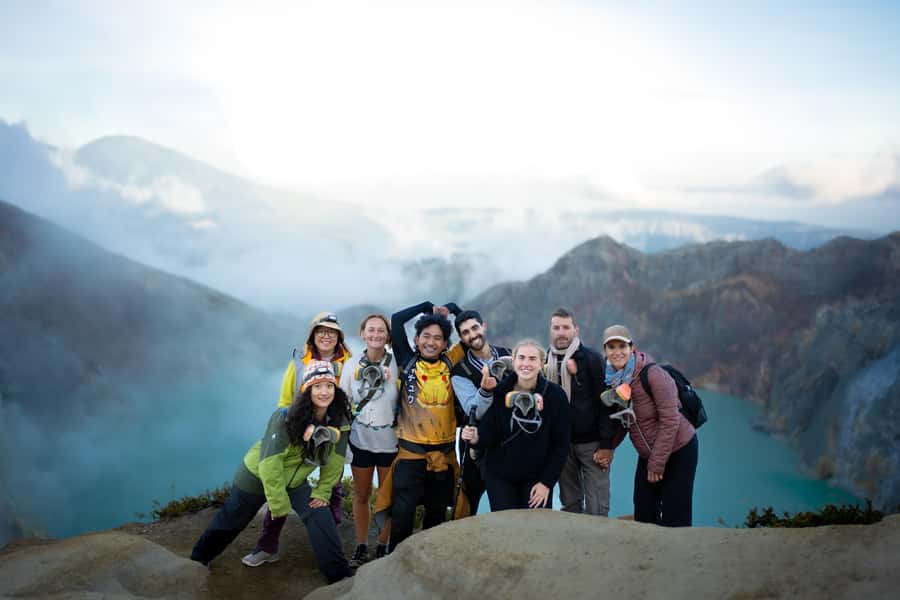
After the Blue Flame moment, sunrise becomes your next anchor. Around 05:00, you’ll do sunrise viewing over the crater lake and observe sulfur mining activity.
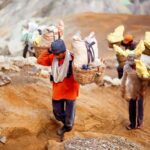
This part is special because it’s not only about pretty light. You’re seeing the crater as a working place—people are mining in conditions that are difficult for visitors. That contrast makes the whole experience feel more grounded and real, not just cinematic.
Then you’ll descend around 07:00. The descent is when many first-timers feel the route’s risk in their legs and knees. The good news is you’re not alone: your guide is there for crater exploration and safe progression back down.
Getting back down: the part you should not rush
You return to Paltuding around 08:30 and then transfer back to the Banyuwangi/Bali area. It sounds like the “hard part is over” once sunrise hits, but the reality is that the tricky footing remains during descent.
If you’ve ever had one bad step on a rocky slope, you know how fast confidence can drop. Reviews specifically point out that the wrong shoes can cause slipping near cliff edges, which is why I’d treat footwear as your top priority besides safety gear.
A practical tip: keep your pace consistent on the descent, even if you feel adrenaline fading after sunrise. This is the moment where “trying to finish fast” can lead to clumsy steps.
Gear checklist that actually fits Ijen conditions
The tour suggests bringing:
- Comfortable shoes (or better: hiking/trekking shoes)
- Camera
- Jacket
- Hiking pants
- Trekking gear
And the “know before you go” note pushes the idea of warm clothes because it can be cold (5–10°C). I’d add one simple principle: choose gear you can move in during a steep, rocky walk. Fashion footwear has no place on a volcanic trail.
Footwear reality check
Ijen is rocky and inclined. If your shoes have slick soles or weak ankle support, you’ll feel it. Reviews mention people with wrong shoes sliding near cliffs. That’s not a minor discomfort; it can be a real safety problem, especially in low light or when you’re tired.
Safety and eligibility: who should think twice
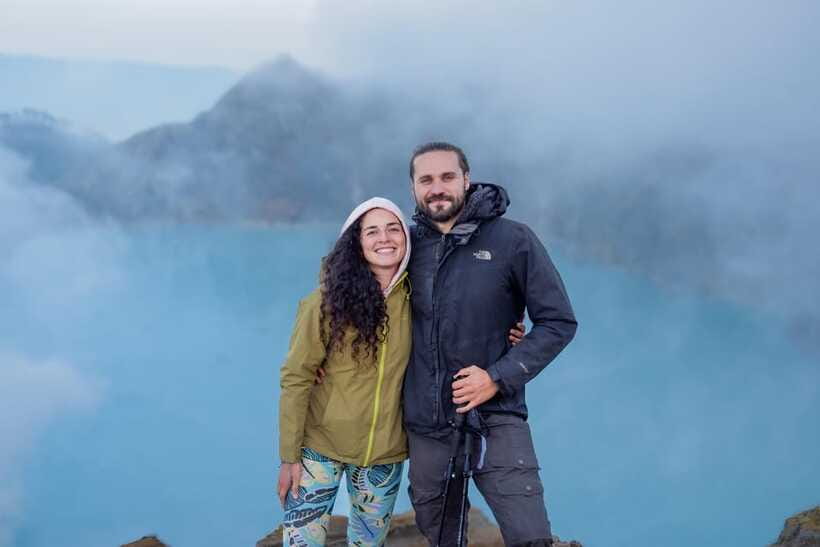
This tour includes safety measures, but you still need to decide if the activity fits your health.
Not suitable for:
- People with epilepsy
- People with altitude sickness
- People with high blood pressure
- Babies under 1 year
- People over 95 years
Also, plan around sulfur exposure. The tour provides gas masks and includes first aid and portable oxygen, but eligibility rules still matter because your body needs to be able to handle the conditions.
Medical certificate rules you must plan for
A key note says you need to submit passport copy and a medical certificate (doctor note). It also says the letter should be valid with a maximum 3 days from when it was made, and it requires you are in good condition or do not have asthma issues. If you don’t have the certificate, there’s an option to get it from a clinic with an approximate cost around IDR 35,000 per person, and clinics outside the package would cost more.
This is one of those details that can quietly add stress if you wait until the day of. If you’re booking with tight timing, build extra time for paperwork.
Price and value: what $19 buys you in real terms
At $19 per person, this is priced to feel accessible. But the value isn’t only the ticket price—it’s the safety and logistics included.
You’re getting:
- Transport from the Banyuwangi/Bali area
- English-speaking guide support
- Entrance ticket to Kawah Ijen
- Gas mask, headlamp, and safety equipment
- First aid and portable oxygen tank
- Mineral water and a warm snack
- Kawah Ijen insurance
That’s a lot for a low per-person price. The one caution is “hidden cost” risk: if you need a medical certificate and don’t plan ahead, you’ll pay for clinic paperwork (and the note says it can be extra if obtained outside the tour package). Still, if you’re already planning to do Ijen, this setup can be a strong deal compared to assembling gear, insurance, and guide separately.
Also, the reviews you were given highlight that guides can be excellent at safety and explanations, which usually means fewer mistakes and a smoother experience on a hard route. In a place like Ijen, that’s worth something.
Driver and road reality: winding roads are part of the deal
The tour includes a vehicle for transport, and your actual ride depends on the driver and road conditions. One review mentions the driver was aggressive on winding mountain roads. I’m not saying that will happen to you, but I would take it as a cue to travel prepared: if you get car sick easily, consider motion-sickness support.
This is especially relevant because the pickup happens extremely early, and you’re mentally “on” for the night hike. A rough ride can drain you before you even start climbing.
The guide experience: names to watch for, and what good guidance looks like
The tour credits experienced guides for hike preparation and crater exploration. Reviews mention Sopi as a standout, including one comment calling him Pokémon Sopi. Another review praises Ikbal for amazing photo support and for keeping people safe on a tough route.
That lines up with what you should want from a guide on Ijen:
- Clear briefing before the hike
- Timing awareness for Blue Flame visibility and sunrise
- Safety discipline on steep, rocky sections
- Help with positioning for photos without taking risky shortcuts
If your guide is good, you spend more time watching the crater and less time worrying about what to do next.
Who this tour suits best (and who it doesn’t)
This is best for you if:
- You’re comfortable hiking uphill in the dark
- You can handle cold temperatures and steep rocky paths
- You want Blue Fire plus sunrise with sulfur mining activity
- You want a guide-led plan with safety gear included
You should skip it or look for a gentler alternative if:
- You’re afraid of heights or panic on cliffside terrain
- You have epilepsy, high blood pressure, or altitude-sickness risk
- You know you can’t follow a fast-moving group pace comfortably
- You don’t have the right shoes and aren’t willing to invest in proper footwear
And if you’re traveling with anyone very young or very elderly, check the age limits listed by the tour first.
Should you book this Ijen Blue Fire & Sunrise experience?
If you want the real Ijen package—Blue Flame at night, sunrise over the crater lake, and sulfur mining activity—this tour is a solid match. The included safety gear (gas mask, headlamp) plus first aid and portable oxygen are big points for peace of mind, and the guide support is clearly a core strength.
I’d book it if you’re physically prepared for a steep hike and you’ll show up ready with warm layers and real trekking shoes. I wouldn’t book it if you hate steep exposure, you have relevant medical conditions listed as unsuitable, or you’re likely to ignore the medical certificate requirements until the last minute.
If your main goal is photos, the guidance from guides like Sopi and Ikbal can really help you get stable shots without rushing into unsafe spots. For many people, that turns the whole night into something you’ll remember for the right reasons.
FAQ
What time does the tour start from the Banyuwangi/Bali area?
You depart from the hotel or homestay area around 00:00–00:30 AM, then you arrive at Paltuding around 01:30 AM.
Is transport to Paltuding included?
Yes. Transportation from the Banyuwangi/Bali start point is included as part of the package.
Are the gas mask and headlamp provided?
Yes. The tour includes a gas mask and headlamp for safety.
Do I need an entrance ticket for Kawah Ijen?
The entrance ticket to Kawah Ijen is included.
Is first aid and oxygen included?
Yes. The tour includes first aid and a portable oxygen tank.
What should I bring for the cold weather?
Bring warm clothing like a jacket, plus items like gloves and a hat, since temperatures can drop to around 5–10°C.
Do I need a medical certificate to hike Ijen?
The tour notes that you must provide a medical certificate (doctor note) and passport copy. It should be valid within 3 days of when it was made, and it relates to your health condition including asthma.
Is Ijen open on Fridays?
The notes say Ijen is closed every Friday in the first week. You should check your date before going, especially if you’re planning the night hike around Thursday to Friday.