Ijen Blue Fire is one of those places that makes time feel weird. This day trip from Banyuwangi strings together sunrise timing, the rare blue flame phenomenon, and close-up views of the crater’s turquoise acidic lake. I also like how the tour leans on a professional guide and keeps you moving with brand new equipment, which matters when you’re dealing with steep ground and sulfur fumes.
The main drawback to plan around is effort. The hike involves a challenging ascent, so if you have mobility limits, you’ll want to judge your fitness honestly before you go. Bring a jacket, expect cool pre-dawn conditions, and make sure you’re physically ready for an early, hands-on outing.
In This Review
- Key things that make this Ijen Blue Fire trip worth it
- From Banyuwangi Pickup to the Ijen Start Line
- The Trek to the Crater: Where Steep Ground Meets Real Volcano Scenery
- Sunrise Over Ijen: The Moment That Changes Everything
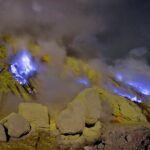
- Chasing the Blue Flame: What It Is and Why It Looks Unreal
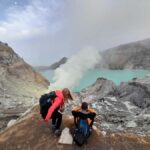
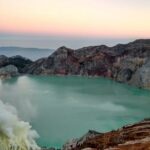
- The Turquoise Acidic Lake and Crater Views
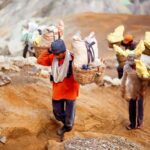
- Sulfur Mining Up Close: Respect for the Work
- Driver, Professional Guide, and New Equipment: Small Details That Reduce Risk
- Included Extras That Actually Help: Tickets, Coffee or Tea, and Gas Masks
- Price and Value: What $32 Buys You for One Day in Java
- Who Should Book, and Who Should Rethink It
- Practical packing and timing tips before you go
- Should You Book This Ijen Blue Fire Tour?
- FAQ
- How long is the Ijen Blue Fire tour?
- What’s included in the tour price?
- Do I need to bring anything?
- Is the tour offered in English?
- What’s not included?
- Is the tour free to cancel?
- Who should not join this tour?
Key things that make this Ijen Blue Fire trip worth it
- 8 hours of action, paced to reach sunrise and the crater highlights
- Blue flame + turquoise acidic lake in one early-morning visit
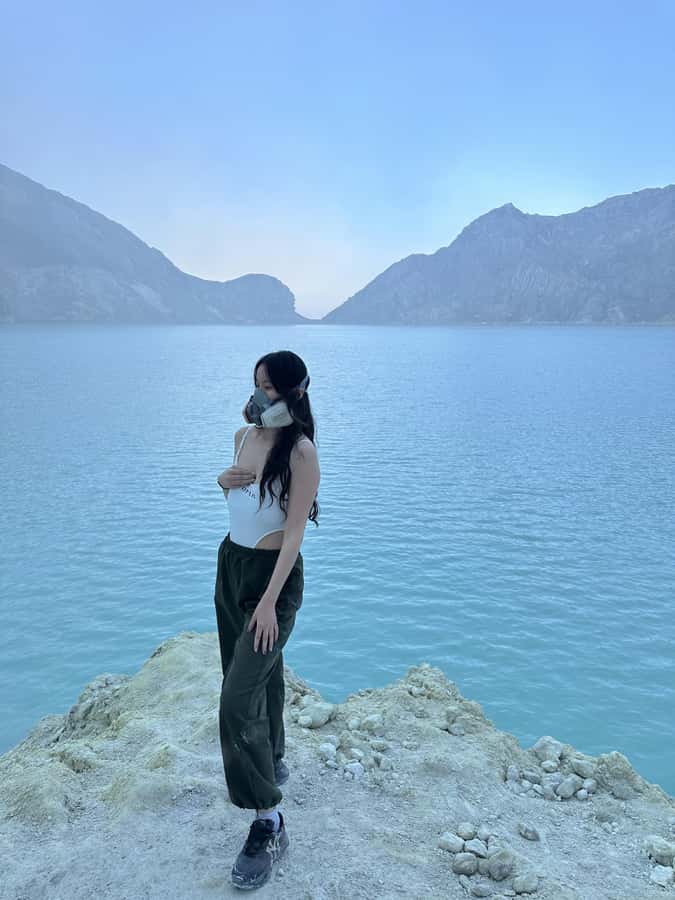
- Gas mask included, so you’re not scrambling last minute at the site
- An excellent driver and a steady guide, which reduces stress before the climb
- New gear, helpful when you’re moving in volcanic terrain and low light
- Guides with real personality, including Qim Qim (and the same guide name shown as kimkim) who kept energy upbeat
From Banyuwangi Pickup to the Ijen Start Line
This trip is built around one simple reality: Ijen is best when you’re there early. You’ll start with pickup in Banyuwangi, then head out by car toward the Ijen area, with a guided day stretching to about 8 hours total.
What I like about this kind of setup is that it protects your focus. Instead of you figuring out transport and timing, you can plan on one job only: getting to the crater in time for the sky to change and the site to wake up.
A practical point: because sunrise is the headline, your schedule is early-leaning by nature. If you’re the type who hates waking up too soon, Ijen will test your patience before it rewards you.
You can also read our reviews of more tours and experiences in Banyuwangi.
The Trek to the Crater: Where Steep Ground Meets Real Volcano Scenery
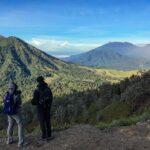
Once you reach the Ijen base camp area, the experience shifts from driving to walking. The route typically moves through dense forest and then into more volcanic terrain, so you’re not just trudging on one kind of ground.
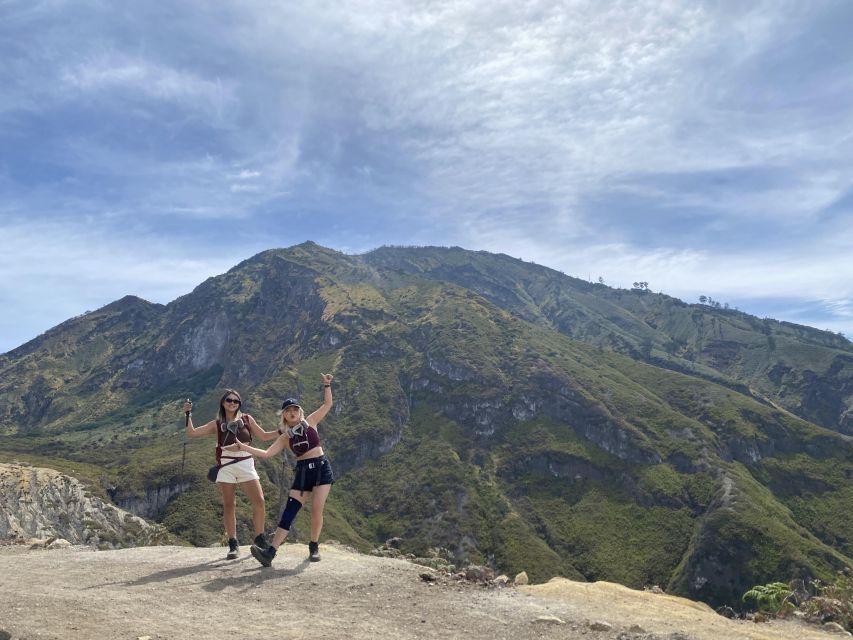
The hike is generally manageable for people with moderate fitness, but it’s still an ascent. You’ll be climbing while breathing cool pre-dawn air, then later working your way around crater viewpoints where footing can feel less predictable.
The tour provides the essentials, but you still need to show up prepared. Wear something suitable for a steep climb, and don’t treat a “manageable” trek like it’s casual. You’ll feel it in your legs, and the timing means you’ll be working under daylight you don’t control.
Sunrise Over Ijen: The Moment That Changes Everything
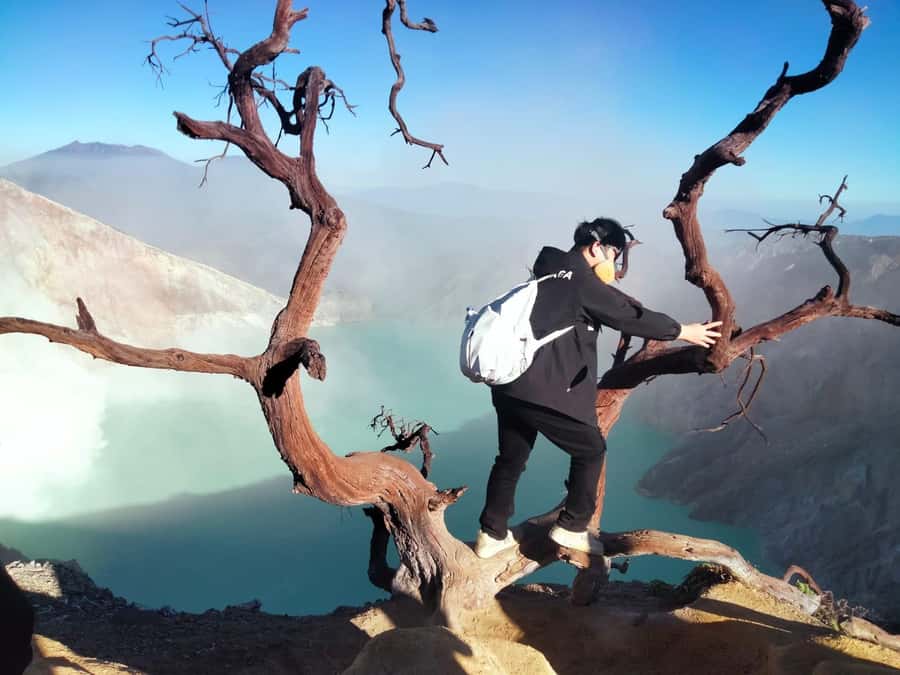
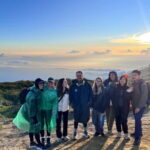
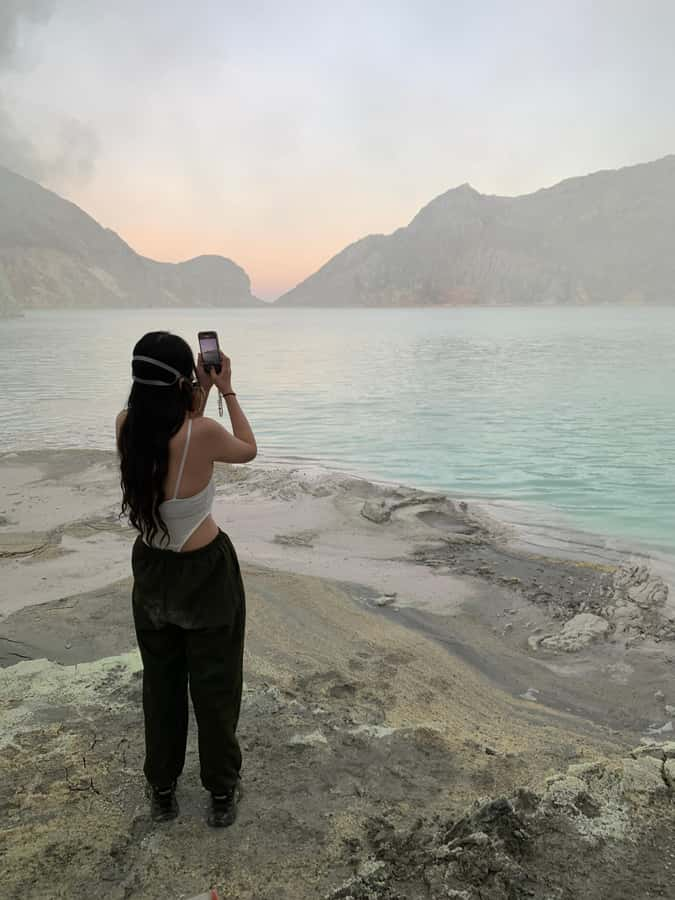
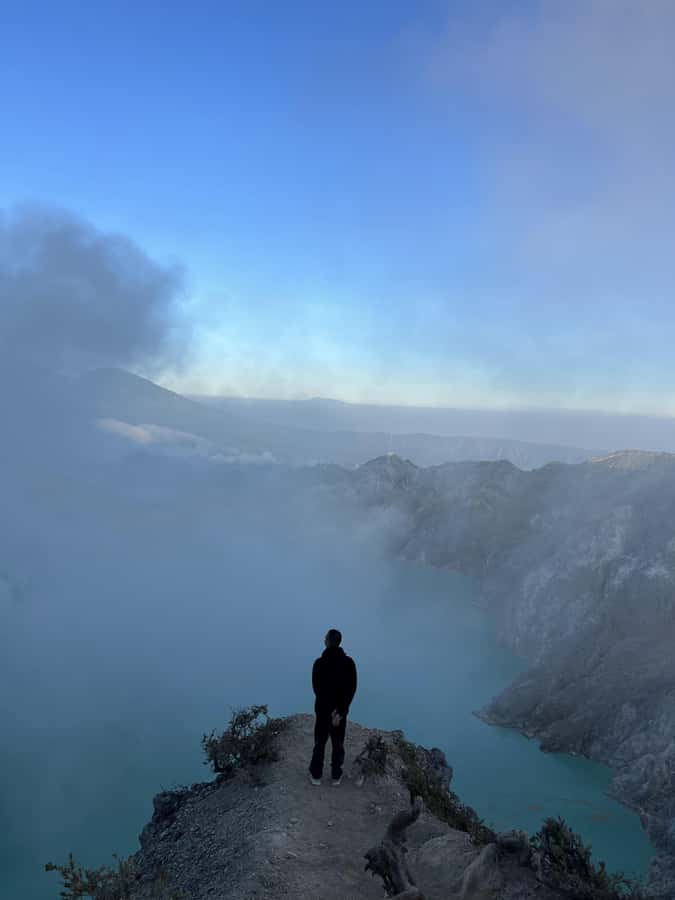
The big reason people plan Ijen at this hour is sunrise. When the light comes up, it turns the whole crater scene readable: volcanic formations gain shape, and the view opens in a way that’s much harder in the dark.
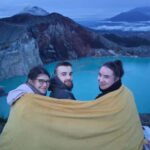
This is also when the turquoise color starts looking convincing rather than imaginary. The crater’s acidic lake shows up as a striking contrast against the surrounding rocks, and sunrise makes that color pop without needing filters or fancy gear.
If you want one tip that actually helps: try to stay present in the transition. Early morning at Ijen can feel slow while you climb, then suddenly fast once you hit the crater area and you’re looking at changing light.
Chasing the Blue Flame: What It Is and Why It Looks Unreal
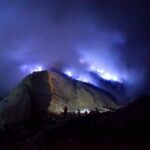
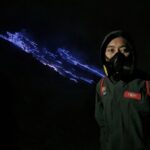
Here’s the star effect: the blue flame phenomenon. It can happen during the early hours when sulfuric gases emerge from cracks in the volcano and combust at high temperatures.
So what you’re seeing isn’t random glowing. It’s a chemical process tied to the volcano’s gases, and that’s why the flames can look surreal against the dark pre-dawn sky. Even if you’ve read about it, being there when conditions line up feels like you’re watching a natural process with a spotlight on it.
A consideration I’d flag: it’s a phenomenon, not a guaranteed performance. You’re going for the best odds by showing up at the right time, and the tour schedule is designed for that.
The Turquoise Acidic Lake and Crater Views
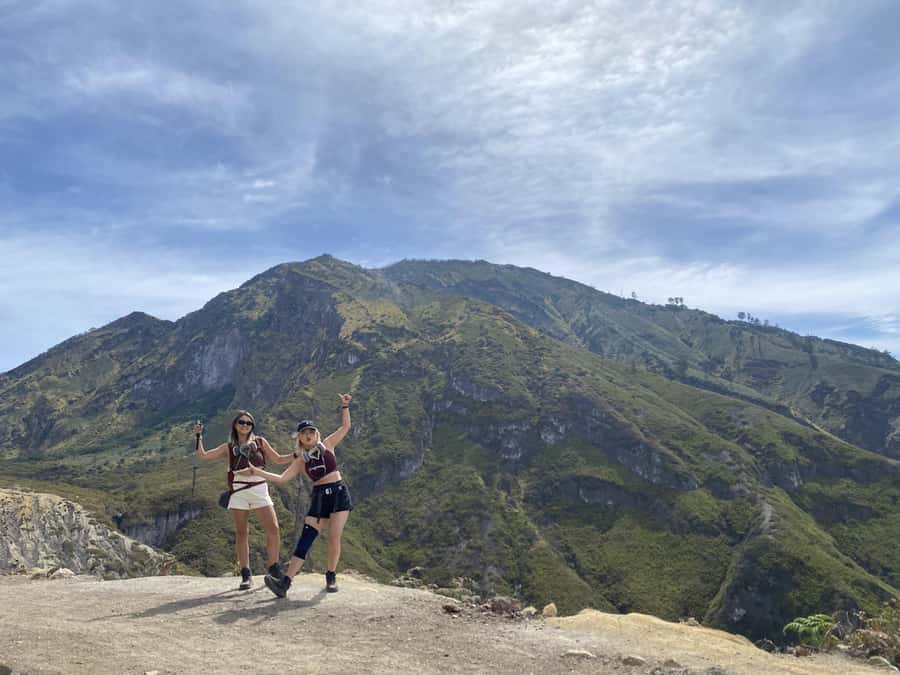
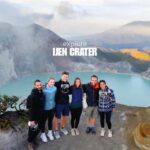
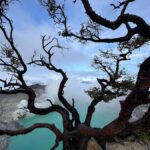
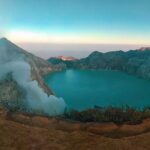
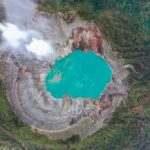
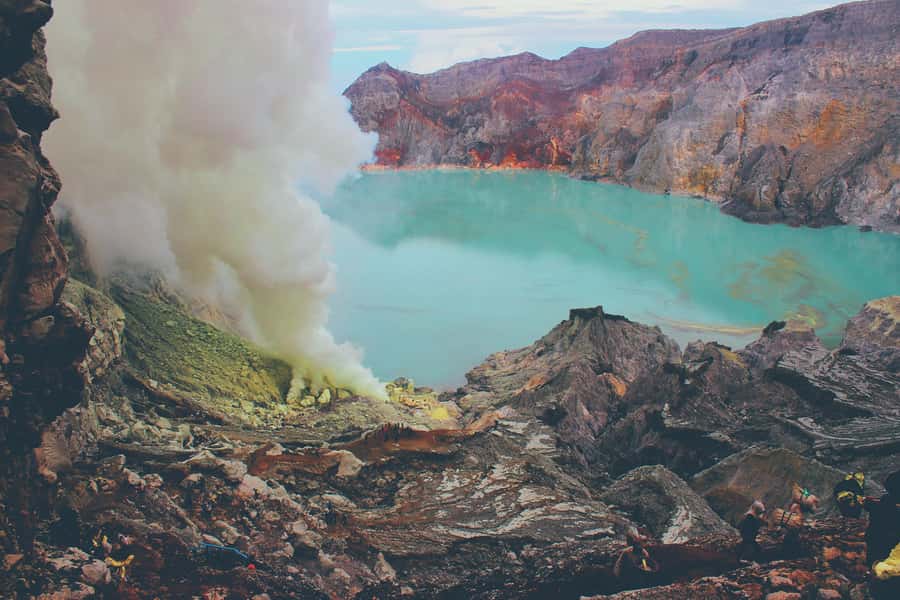
Once you’re at the crater, the views are the second headline after the blue flames. The lake’s turquoise tone comes from its high sulfur content, and it creates a strong visual contrast with the darker volcanic ground around it.
You’ll also spend time taking in the crater from the viewing areas. This is where the sense of scale hits you—because the crater isn’t a photo backdrop. It’s a working, living system, and your position near the rim makes it feel close and real.
Don’t rush this part. Your eyes need time to adjust from early low light to brightening skies. If you keep moving fast, you’ll miss how dramatically the colors and shadows shift as sunrise climbs.
Sulfur Mining Up Close: Respect for the Work
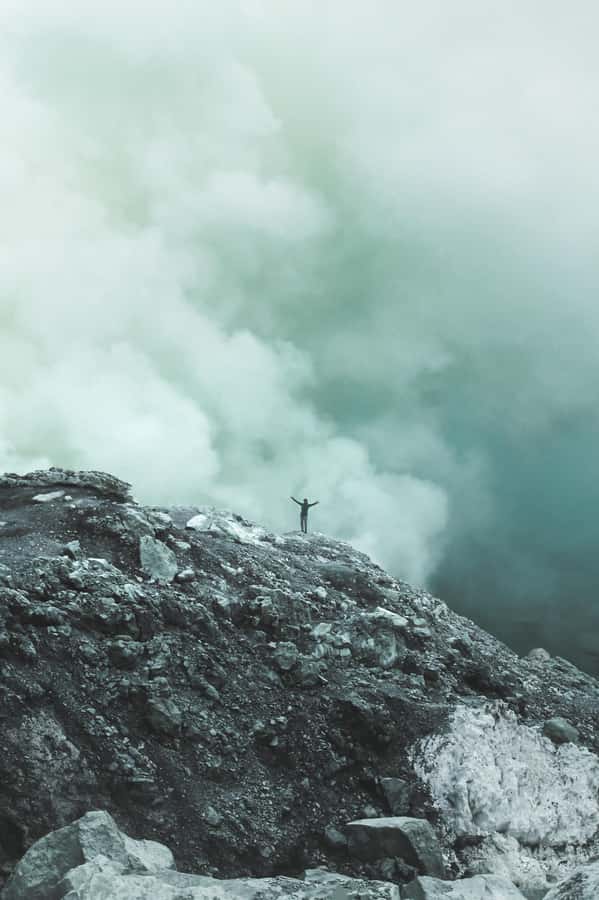
One of the most meaningful parts of Ijen is seeing sulfur mining in action. Miners extract solidified sulfur from the crater’s sulfur-rich environment under tough conditions, and you’ll get a firsthand view of what that work costs.
The most striking detail is the effort. You’ll see miners carrying heavy loads uphill, and it’s hard not to feel both impressed and humbled. It gives the whole outing a human side that goes beyond pretty visuals.
There’s also an important reminder here: you’re observing a high-risk working environment. So follow your guide closely, use the safety gear provided, and treat the site with the respect it deserves.
Driver, Professional Guide, and New Equipment: Small Details That Reduce Risk
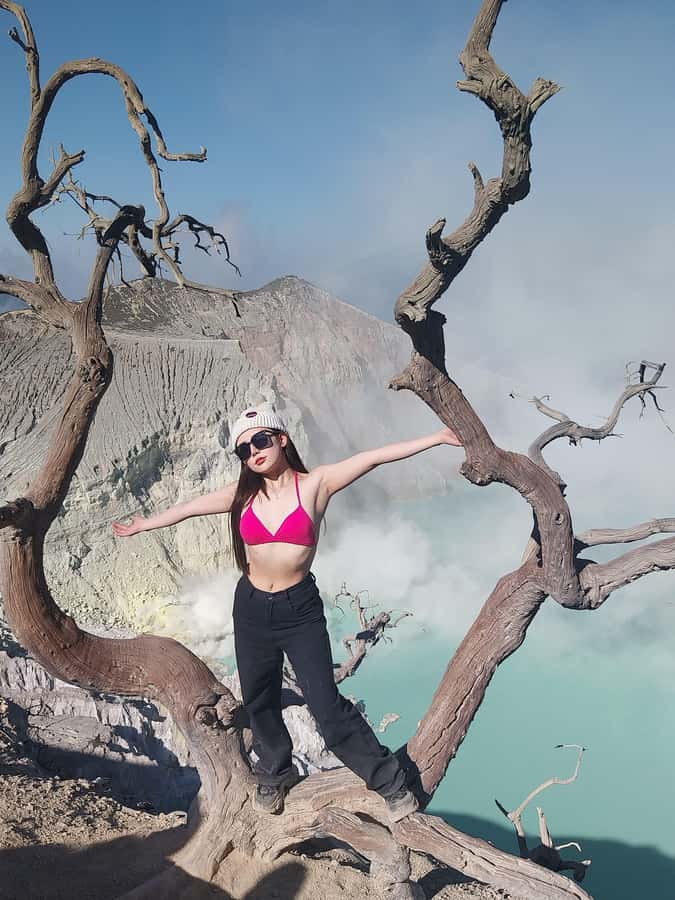
Ijen tours can be chaotic when the planning is weak. This one stands out for practical reasons: you get transport by car, a local guide, and an excellent driver that keeps the day from turning into a logistics scramble.
The guide experience matters a lot because you’re moving early, you’re walking on uneven ground, and you’re dealing with safety concerns from sulfur gases. Having a professional guide keeps the experience smoother, especially in low light when you’re climbing and trying to watch the horizon.
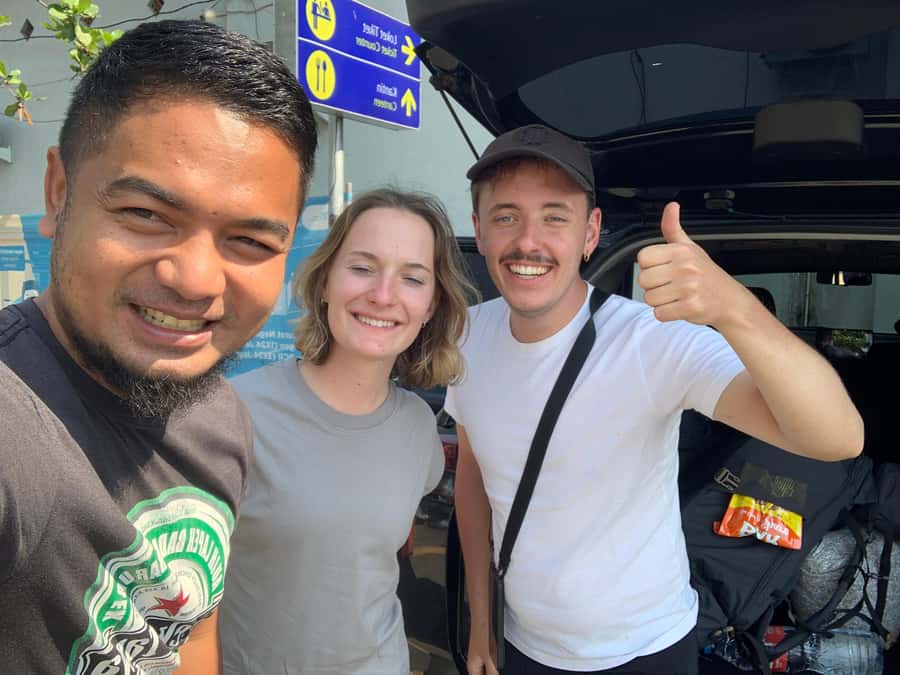
The reviews highlight guide support strongly, including Qim Qim, who came through as friendly, upbeat, and genuinely helpful with keeping things fun. That matters because good energy can turn a tough ascent into a day you’ll actually remember with a smile.
And yes, you also get brand new equipment. New gear isn’t a luxury detail here—it’s comfort and reliability, especially when you’re out in challenging conditions and you need everything to work.
Included Extras That Actually Help: Tickets, Coffee or Tea, and Gas Masks
This trip includes what you need for the crater portion to stay simple: transport car, a local guide, entry ticket access, gas mask, and coffee or tea.
The gas mask is the big one. You’re near sulfur emissions, so having it included means you’re not forced into last-minute improvisation. Even if you’re curious and excited, you don’t want to gamble on safety gear timing.
Coffee or tea is another small but real comfort. Early morning can flatten your energy. A warm drink helps you stay functional during the climb and while you’re waiting for light.
Also, the tour includes skip-the-ticket-line access. That’s not glamorous, but it saves time when your schedule is already tight.
Price and Value: What $32 Buys You for One Day in Java
At about $32 per person for a one-day outing, this tour is positioned as a value option—especially because it bundles the items that usually cost extra or require extra coordination.
You’re getting:
- transport by car from Banyuwangi and back
- a local guide
- entry ticket access
- gas mask
- coffee or tea
The main thing not included is meals, so plan to handle food separately. If you’re coming hungry after a long early start, you’ll want to budget for that or adjust your expectations.
Value-wise, this price makes sense if you care about having the full flow handled: the early timing, the safety gear, and the guide who can keep you oriented. If you were planning to independently organize transport, tickets, and equipment, the savings would shrink fast once you price in time and risk.
Who Should Book, and Who Should Rethink It
This tour is best for people who can handle an early start and a steep hike. Moderate fitness is a good baseline, and the experience is paced to make it achievable for many visitors.
It’s not suitable if you have epilepsy, high blood pressure, recent surgeries, or if you weigh more than 309 lbs (140 kg). That’s not just a rule list; it’s about safety in a physically demanding, early-morning environment.
If you fall into any of those categories, don’t treat the gas mask or guide support as a workaround. You’d be better off talking to a medical professional first, or choosing a different kind of activity with fewer physical and environmental stresses.
Also, if you hate cold mornings, you should take the jacket advice seriously. Even though it’s not a long list of packing items, it’s the only item they explicitly ask you to bring—so it’s the one to respect.
Practical packing and timing tips before you go
You only have one clearly stated must-bring item: a jacket. Still, I’d add a simple mindset: dress for cool pre-dawn air and a sweaty climb afterward. Layers beat one-note clothing because Ijen’s conditions can shift over the course of the outing.
Timing is the other big factor. This experience depends on sunrise, so being late isn’t just inconvenient—it can change what you see. Arrive ready for an early departure and let the guide handle the sequencing once the day starts.
Finally, keep the experience focused. The crater is the point, not the chatter on the bus. When you reach the active viewpoints, slow down, look up, and give yourself time to watch the light shift.
Should You Book This Ijen Blue Fire Tour?
Book it if you want a structured day that prioritizes sunrise, the chance to see blue flame, and the crater views with safety gear included. The combination of transport, guide support, entry access, and a gas mask makes this feel like a well-thought-out way to do Ijen without turning your morning into a scavenger hunt.
Skip it if steep hiking and early starts don’t match your fitness or health needs. Also, if you’re sensitive to the idea of sulfur gas exposure even with a mask, take that seriously and follow the suitability limits.
If you do book, ask yourself one question: do you want a day that’s equal parts physical effort and natural spectacle? If yes, this is the kind of tour where good planning turns a tough hike into a story you’ll tell for years.
FAQ
How long is the Ijen Blue Fire tour?
It runs for about 8 hours for the guided experience.
What’s included in the tour price?
The tour includes car transport, a local guide, entry ticket access, a gas mask, and coffee or tea.
Do I need to bring anything?
You should bring a jacket.
Is the tour offered in English?
Yes, the live tour guide is English-speaking.
What’s not included?
Meals are not included.
Is the tour free to cancel?
You can cancel up to 24 hours in advance for a full refund.
Who should not join this tour?
It is not suitable for people with epilepsy, people with high blood pressure, people with recent surgeries, and people over 309 lbs (140 kg).