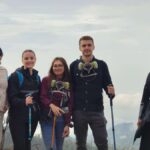
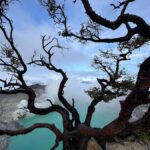
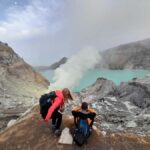
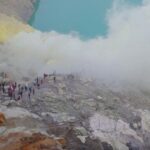
Blue fire waits at Kawah Ijen. In two packed days you’ll chase Blue Fire at night, then stand for sunrise over the crater and Bromo. It’s the kind of trip where the morning air feels crisp and the night air feels electric.
I like how the team puts structure around the hard moments. You get a headlamp and gas mask, plus a safety briefing before you trek toward the crater. I also like that the guides explain what sulfur miners do down there, so the whole place feels more than just a photo stop, especially when the Ijen guide is people-first like Surai, Sopi, Nopan, or Uzi.
The main catch is the conditions and timing. You’re on a midnight start with a medium-difficulty hike, and you’ll need a medical certificate for the Ijen trek (no certificate means you’ll stop at a clinic first). If you have respiratory issues, back problems, or are pregnant, this isn’t a comfortable fit.
In This Review
- Key things I’d watch (and enjoy) on this tour
- Why Ijen + Bromo in Two Days Actually Works
- Kawah Ijen at Night: Blue Fire, Turquoise Dawn, and Real Miners
- Paltuding prep: headlamp, gas mask, and a safety briefing
- The trek time and difficulty: medium, and mostly about endurance
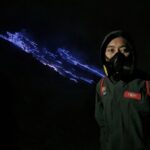
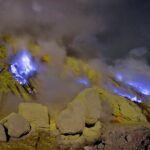
- The highlight: Blue Fire at the crater edge
- The sunrise: turquoise water and that first light
- Down the mountain: panoramic views and the payoff of finishing strong
- The Ride, the Briefing, and Why Rest Matters Before Bromo
- Day 2: Penanjakan Sunrise, Bromo Crater, Luhur Poten Temple, Whispering Sand
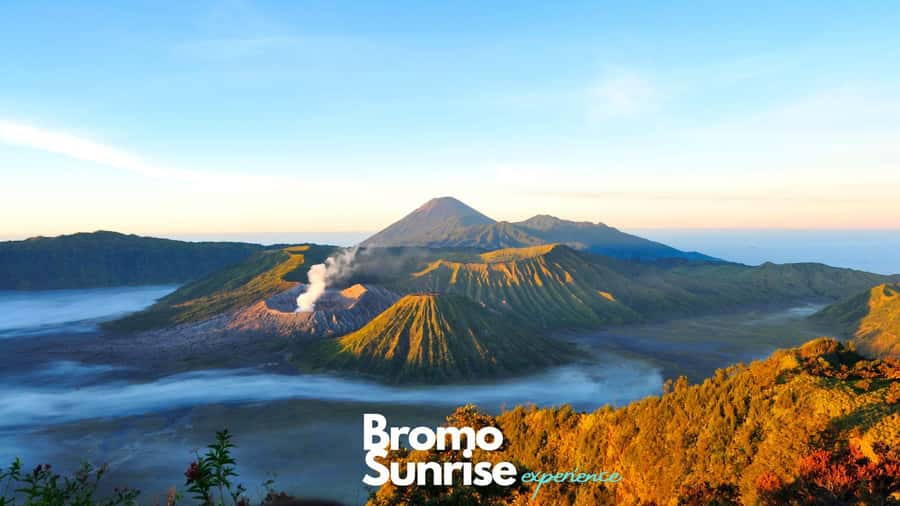
- Penanjakan: where sunrise turns the whole area quiet
- Into the Bromo area: crater views, temple stop, and sand walking
- A key practical tip: ask where the jeep drops you
- Back to Cemoro Lawang: breakfast, checkout, and finishing at Probolinggo
- Price and logistics: Is this tour a good value?
- Safety reality check: sulfur gas, medical certificates, and uneven communication
- The guide experience: what good ones do with Ijen
- Who should book this Banyuwangi to Bromo 2-day tour?
- Should you book this tour?
- FAQ
- How long is the Banyuwangi: Ijen Crater and Bromo Mountain 2 Day Tour?
- What does the tour cost?
- Is pickup from Banyuwangi included?
- What safety equipment is provided for the Ijen trek?
- Do I need a medical certificate for the Ijen hike?
- How difficult is the Kawah Ijen hike, and how long does it take?
- How do you visit the Penanjakan sunrise viewpoint on Day 2?
- Can I cancel for a full refund?
Key things I’d watch (and enjoy) on this tour
- Blue Fire at Kawah Ijen: one of the rare places on Earth where it can happen, seen right from the crater area at night
- Sunrise over turquoise crater water: you’ll wait for dawn right when the colors shift
- Guides who talk sulfur-mining reality: expect explanations of the miners and the work around the crater
- Early-morning Bromo circuit: jeep ride to Penanjakan, then crater views plus Luhur Poten Temple and Whispering Sand
- Small group feel (max 12): easier to manage on a night hike than big-bus tours
Why Ijen + Bromo in Two Days Actually Works
East Java is big, and travel time matters. This tour strings together two of the region’s most famous volcano experiences in a tight loop: Ijen at night, Bromo the next morning. That means you’re trading “slow travel” for “big moments,” and the schedule is built so you don’t miss the dawn windows.
For me, the value is that both sites reward the early hours. Ijen’s main spectacle is tied to night conditions and the sulfur atmosphere, and Bromo’s best viewing is tied to a very specific sunrise viewing period. In two days, you get both chances—without having to plan separate transport and meetings.
One practical note: because you’re moving between areas (Banyuwangi, then over toward Cemoro Lawang near Bromo, then back out toward Probolinggo), your comfort depends on how well you handle early wake-ups, cool temperatures, and long road segments.
You can also read our reviews of more tours and experiences in Banyuwangi.
Kawah Ijen at Night: Blue Fire, Turquoise Dawn, and Real Miners
Day 1 starts with a midnight pickup from your hotel in Banyuwangi. You’ll drive to Paltuding, the main starting point for the Kawah Ijen trek. This is where the trip turns from “travel day” into “mission day.”
Paltuding prep: headlamp, gas mask, and a safety briefing
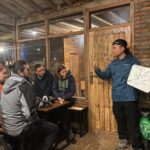
At the start, you’ll be equipped with a headlamp and gas mask due to sulfur gas near the crater. You should also expect a short safety briefing before the hike begins. Even if you’re not afraid of heights or hard steps, sulfur-gas conditions are the reason this portion is treated seriously—and it’s why the gear is included.
If you’ve never used a headlamp this early, test it before you’re too deep into the dark hike. The terrain is done best with steady footing, and a headlamp keeps your footing and your focus aligned.
The trek time and difficulty: medium, and mostly about endurance
The hike to Kawah Ijen takes about 1.5 hours one way. “Medium difficulty” here usually means you’ll hike on uneven ground while carrying the gear. It’s not described as a long mountaineering climb, but it is long enough that you’ll feel it in your legs and lungs in the cold night air.
As you hike, you’ll get a cool night breeze and a starry sky. That sounds simple, but it matters: the early part of the walk sets your mood. You’re not just rushing; you’re building patience for the crater moment coming soon.
The highlight: Blue Fire at the crater edge
Once you reach the crater area, the big payoff is the Blue Fire phenomenon. It’s described as rare and reportedly one of only two places in the world where it can be seen. The effect is exactly what you want from a trip like this: glowing and unnatural in the dark, so your brain finally understands why people plan their East Java around it.
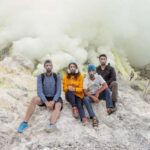
This is also where guides can make a difference. On Ijen, guides you might meet include Surai, Sopi, Nopan, and Uzi. The common thread in the experience is that they explain what the sulfur miners do and how the work happens around the crater. When you understand the human side, the spectacle becomes less like a stunt and more like a lived landscape.
The sunrise: turquoise water and that first light
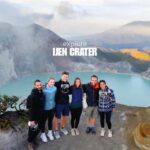
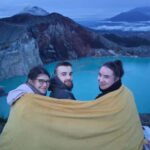
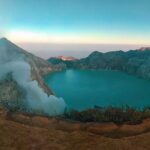
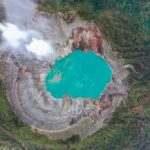
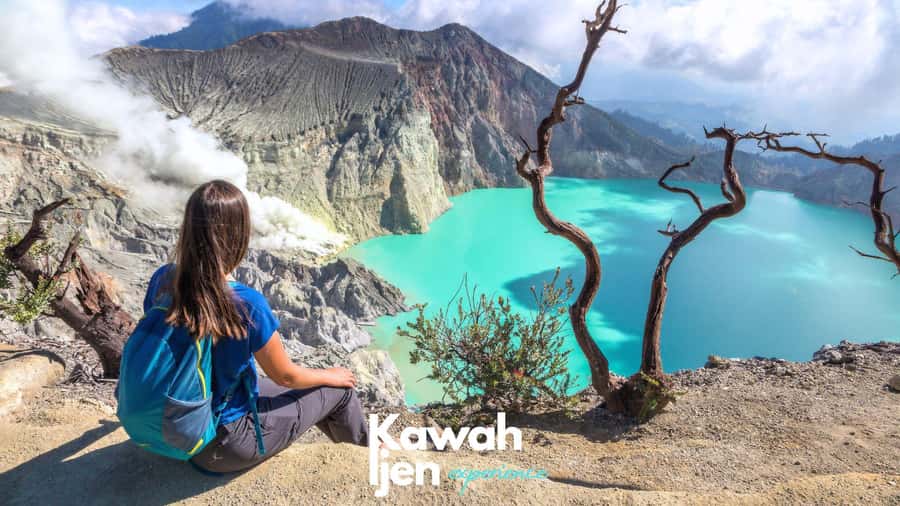
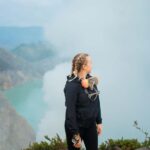
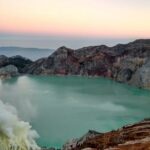
After Blue Fire viewing, you’ll wait for sunrise from the top of Kawah Ijen. When the first rays hit, the crater lake’s water looks turquoise. The contrast between dark rock, early light, and the colored water is the reason people wake up at midnight for this.
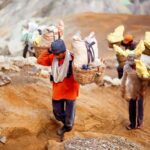
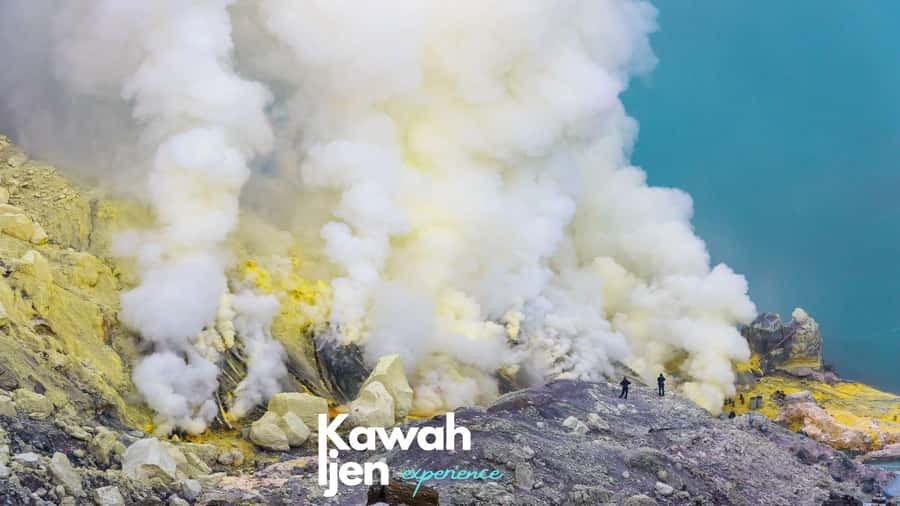
You’ll also see traditional sulfur miners working. This part is worth slowing down for. Even if you’re there for the colors, take a minute to watch the rhythm of the work—because that’s what gives the place its texture.
Down the mountain: panoramic views and the payoff of finishing strong
Then it’s a descent back to Paltuding. The hike down is the moment your energy swings from “crater focus” to “safe landing.” You’ll likely notice broader panoramic views along the way. By the time you reach Paltuding, you’ll probably want rest more than anything.
Back at Paltuding, you can refresh and buy snacks or drinks from local vendors. Since no detailed meal plan is listed beyond water and a later breakfast, this stop matters for your comfort—especially if you know you get hungry after early trekking.
The Ride, the Briefing, and Why Rest Matters Before Bromo
After the Ijen portion, the tour drives you back toward Banyuwangi for a shower and reset. You’ll have a break period in Banyuwangi before the next leg. That pause is one of the quiet benefits of the itinerary: after a night trek, you need time to regain your temperature and your mood.
From there, you head toward Cemoro Lawang, which is the last village before Bromo. On the way, there’s a stop at a meeting point in Probolinggo for a briefing session to prepare for the Bromo sunrise trip. This matters because sunrise at Bromo isn’t just “wake up and go.” You want to know where you’re going, what the route looks like, and how the morning timing works.
Then you check in at a homestay in Cemoro Lawang. This is a practical detail: staying near the volcano reduces your morning scramble. Instead of waking up across the region, you wake up close to where sunrise happens.
Day 2: Penanjakan Sunrise, Bromo Crater, Luhur Poten Temple, Whispering Sand
Day 2 starts early. You’ll wake up and depart for the Penanjakan viewpoint. From there, you take a jeep ride to reach the sunrise area. It’s the same logic as Ijen: sunrise viewing depends on being positioned at the right time, not just being awake.
Penanjakan: where sunrise turns the whole area quiet
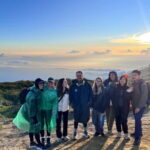
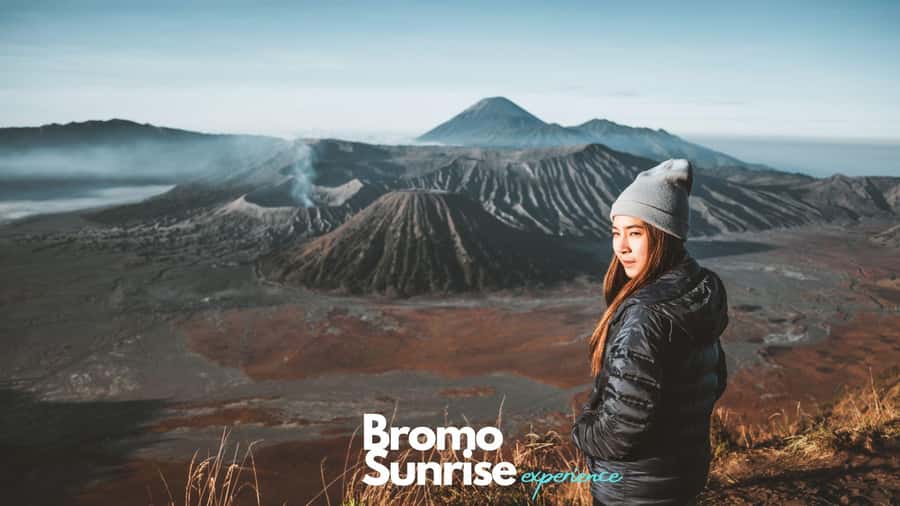
At Penanjakan, you’ll watch the sunrise. Even without extra explanations, the idea here is simple: the view changes fast, so you need to be ready when the light hits. Bring warm layers because it gets cold in this part of Java at early morning hours.
Into the Bromo area: crater views, temple stop, and sand walking
After sunrise, the tour continues to explore the Bromo area by driving and then hiking short segments as needed. You can expect stops at:
- Bromo crater viewpoints
- Luhur Poten Temple
- Whispering Sand
This is where the tour becomes more “varied scenery” and less “one signature moment.” If you’re the kind of person who enjoys a sequence of lookouts and small walks, you’ll likely have a good time here. If you prefer only the single most iconic view, you might feel there’s more walking than you expected—but the included stops give your morning structure.
A key practical tip: ask where the jeep drops you
Some experiences with Bromo can feel less explanatory or more rushed than Ijen. One specific thing to watch for is the jeep drop-off location for the sunrise walk. If the drop-off ends up farther than you expect (for example, farther from King Kong Hill), the hike time can add up fast and stress your timing.
My advice: when your driver/guide briefs you on the morning, ask a plain question—where exactly do we get dropped and how long is the walk to the main viewing spot? Then you can adjust your pace and avoid arriving breathless and late.
Back to Cemoro Lawang: breakfast, checkout, and finishing at Probolinggo
After the Bromo exploration, you return to the homestay to freshen up and enjoy breakfast in Cemoro Lawang. Then you check out and head back to Probolinggo. The tour finishes at the station or terminal in Probolinggo, so you’ll have a logical handoff for onward travel.
Price and logistics: Is this tour a good value?
At $101 per person for a 2-day East Java package, the value depends on what you hate doing yourself. This includes round-trip transportation, entrance tickets, an experienced local guide, safety equipment for Ijen (including a portable oxygen tank and first aid support), mineral water, 4WD jeeps for Bromo exploration, and 1 night accommodation in Cemoro Lawang plus breakfast.
If you were to plan this on your own, you’d be paying for multiple transport legs, dealing with meeting points for sunrise, and figuring out safety gear and guidance. Here, the tour compresses those tasks into one organized schedule.
That said, you are still paying with energy. The itinerary includes:
- a midnight start for Ijen
- a medium hiking effort at altitude-like conditions (cool air plus sulfur environment)
- a low-sleep night (you’re sleeping between Day 1 end and Day 2 early)
If you’re someone who wants comfort and long meals at predictable times, this package may feel like it squeezes your downtime. But if you want two top-tier volcano experiences close together, the included transport, guide, and equipment do a lot of work for you.
Safety reality check: sulfur gas, medical certificates, and uneven communication
The Ijen part is where safety isn’t optional. You get gas masks and headlamps, and the tour includes first aid and a portable oxygen tank. A medical certificate is required for the Ijen trek. If you don’t have one, the plan is that you’ll stop at a clinic before the trek.
Also note who should avoid it. The tour isn’t suitable for pregnant women, people with back problems, or people with respiratory issues. If you fall into any of those categories, don’t treat this as a “maybe” activity. The environment and the walking effort can be challenging.
For Bromo, the risk is different: it’s less about sulfur gas and more about early-morning coordination and transport. Some experiences on this route have mentioned that drivers may not speak English well, and that explanations or organization on the Bromo portion can vary. I’d treat that as a cue to be proactive:
- Confirm meeting points and timing for sunrise
- Ask for clear directions about where the jeep stops
- Share any needs early, so the team can respond before you’re standing in cold air waiting
The guide experience: what good ones do with Ijen
This tour lives or dies by the guide quality on Ijen. When the guide is strong, the experience shifts from “I saw something” to “I understood it.”
Ijen guides you might be assigned include Nopan, Surai, Sopi, Shoppi, and Uzi, with support from guides such as Nido. The standout common theme is human detail: why the sulfur miners are there, what the work looks like, and how the blue flame ties into the conditions around the crater. That’s the difference between a long photo session and a meaningful early morning.
One small but memorable detail: there may be something like kopi (coffee) served during the waiting period at the top, giving you a warm moment before sunrise. It’s not the reason to go, but it can make the long cold minutes feel easier.
Who should book this Banyuwangi to Bromo 2-day tour?
This tour fits best if you:
- want Ijen Blue Fire and Bromo sunrise in one trip
- can handle a midnight start and a medium hike
- enjoy small-group pacing (max 12) and early-morning viewing
- like learning from guides rather than only taking pictures
It’s not a good choice if you need long sleep, have respiratory limitations, or struggle with back issues. Also, if you dislike uncertainty around transport details, consider that morning coordination on volcano viewing can vary—so ask questions and plan your pace.
Should you book this tour?
Yes—if you’re ready for early hours and physical effort. The biggest reason to book is the pairing: Blue Fire at Ijen plus a Bromo sunrise circuit in a time-efficient, guided package that handles transportation, entrance tickets, safety gear, and even your Cemoro Lawang stay.
If you’re on the fence, here’s the practical checklist I’d use before booking:
- Get your medical certificate sorted for Ijen, or you risk losing time at the clinic step
- Pack warm layers and gloves (cold mornings are part of the deal)
- Confirm the Bromo sunrise drop-off point so you’re not racing a long walk in the dark
If that all sounds fine, this is a strong East Java choice—two iconic volcano mornings, organized so you can focus on seeing them.
FAQ
How long is the Banyuwangi: Ijen Crater and Bromo Mountain 2 Day Tour?
It runs for 2 days.
What does the tour cost?
The price is $101 per person.
Is pickup from Banyuwangi included?
Yes. Round-trip transportation is included, and pickup is included from Banyuwangi (you’ll need to contact the admin for the pickup time).
What safety equipment is provided for the Ijen trek?
You’ll be provided with a headlamp and gas mask due to sulfur gas near the crater, plus first aid and a portable oxygen tank.
Do I need a medical certificate for the Ijen hike?
Yes, a medical certificate is required for the Ijen trek. If you don’t have one, you’ll stop at a clinic before the trek.
How difficult is the Kawah Ijen hike, and how long does it take?
The trek to Kawah Ijen is described as medium difficulty and takes about 1.5 hours one way.
How do you visit the Penanjakan sunrise viewpoint on Day 2?
You’ll go by jeep/SUV to the Penanjakan viewpoint for sunrise.
Can I cancel for a full refund?
Yes. Free cancellation is available up to 24 hours in advance for a full refund.