Blue flames on Java begin before most people wake up. This Banyuwangi to Mt Ijen tour is built around the crater timing, with blue fire viewing plus practical gear like a headlamp and gas mask.
I like how the plan is structured for a smooth night hike, including safety briefing moments and an English-speaking guide who keeps things moving. I also like the payoff: you get summit time to watch panoramic lake views as sunrise hits the area. The main drawback to consider is crowding on the way back up from the blue fire section, so you’ll want to take it slow and watch your footing.
In This Review
- Key things I’d plan around
- Mt Ijen at 2:00 AM: why the timing is the whole point
- Banyuwangi pickup to Paltuding: convenient, but check your start point
- The night hike begins: headlamp, gas mask, and a real safety briefing
- Getting to the crater: what the guided route actually helps with
- Blue fire at the crater: how to make the most of the moment
- Sunrise on Mount Ijen: summit time is where you earn the calm
- Return to Banyuwangi by 9:00 AM: what to do with your morning
- Price and value: is $42 worth it for Mt Ijen?
- Who should book this Mt Ijen tour (and who should skip it)
- Should you book: my practical take
- FAQ
- What is the duration of the Mt Ijen tour from Banyuwangi?
- What time does the tour depart from Banyuwangi?
- What is included with the tour for the hike and crater area?
- Do I need to bring meals?
- What is the main highlight you’ll see at the crater?
- Is there a sunrise component?
- Are there any restrictions on what I can bring?
- Is the guide available in English?
Key things I’d plan around
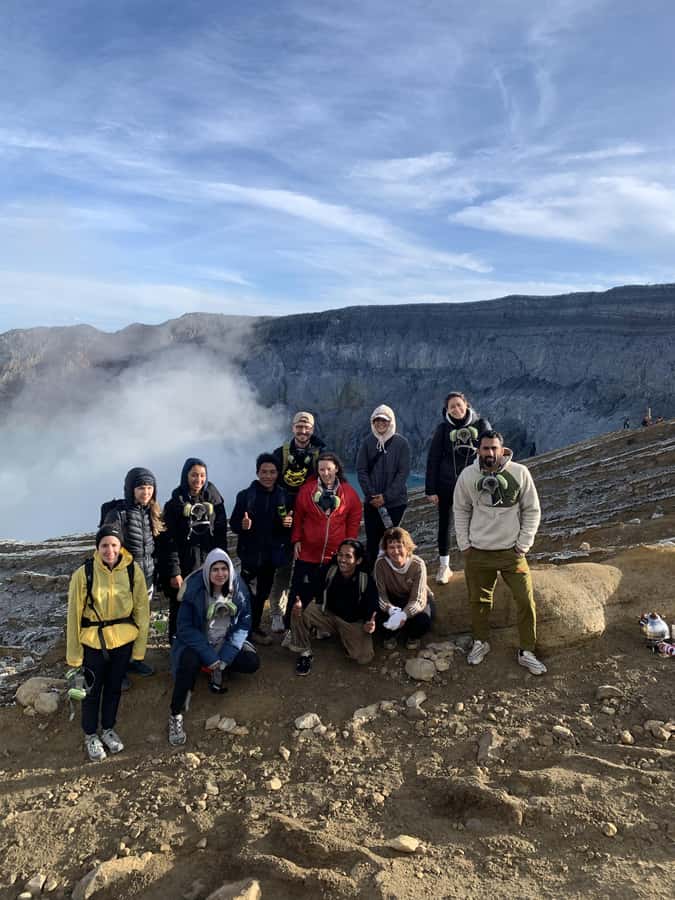
- 00:05 departure and early briefing so you’re not scrambling for timing at the mountain
- Headlamp + gas mask provided, because crater conditions are part of the deal
- Crater descent for the blue fire, with a guided flow that helps you find the right vantage
- Summit sunrise chill time, not just a quick pass-through
- English-guided group trekking, which makes the experience easier to follow in the dark
- Health certificate included, and you’re also expected to be medically ready for the hike
Mt Ijen at 2:00 AM: why the timing is the whole point
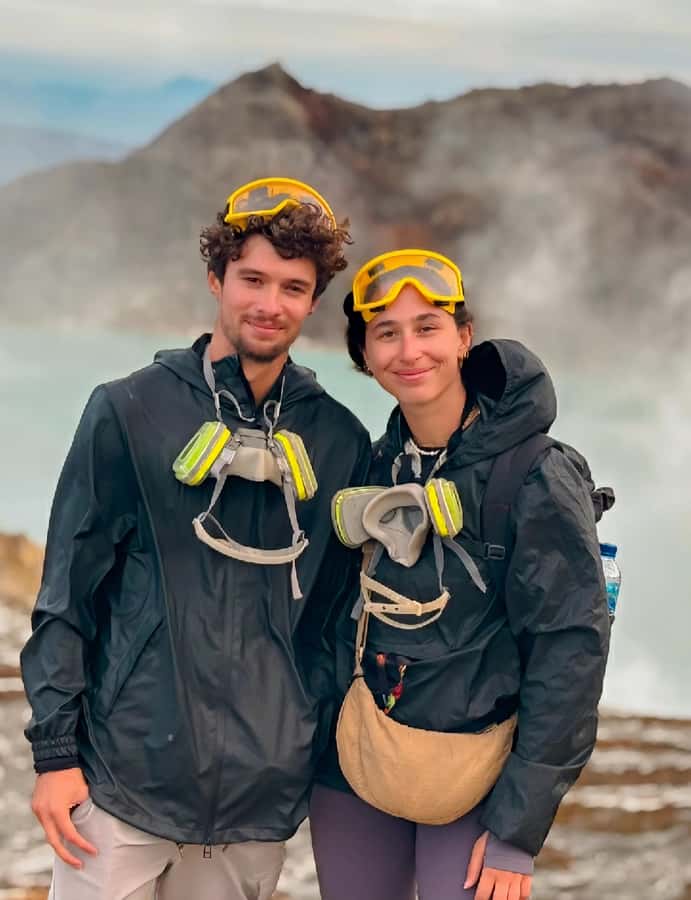
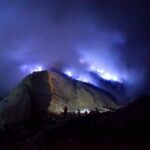
Mt Ijen is famous for a moment that happens on a schedule: the blue fire from the crater area. The tour’s rhythm is built around that, with a departure from Banyuwangi at 00:05, an ascent starting around 2:00 AM, and then crater time followed by sunrise viewing. In practice, that early start matters because you’re traveling in darkness, then you’re moving into cold air and crater conditions, then you’re shifting again toward sunrise.
What I like about this setup is that you’re not left to figure out the order of operations. You arrive at the mountain area, get a briefing, start climbing at a set time, and then follow a guided arc: crater sighting, then back up, then summit views. If you’ve ever tried to do a night hike without a clear plan, you already know how much energy that steals.
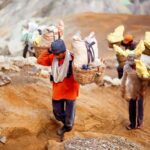
Also, the experience is not just scenery. The guide-led portion includes learning about the life of miners who worked the area. That adds weight to what you’re seeing. Blue fire is a visual hook, but understanding the human context makes the experience feel less like a photo stop and more like a real place with real history.
You can also read our reviews of more tours and experiences in Banyuwangi.
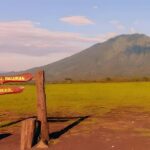
Banyuwangi pickup to Paltuding: convenient, but check your start point
This tour includes pickup and drop-off in the Banyuwangi area, with three pickup options: Stasiun Ketapang, Penyeberangan Ketapang, and DORMITORY TOURISM SRITANJUNG By Celcius. That’s genuinely useful because Mt Ijen is not a quick hop from a single central meeting spot. You can choose what’s easiest for you, especially if your day in Banyuwangi starts around the ferry area or the station.
The other part I’m glad they handle for you is getting you to Ijen (Paltuding) and then organizing the next step once you’re there. Your early morning will feel long enough. You don’t want extra uncertainty on top of it.
If you’re the kind of traveler who likes to be early, aim to arrive at your pickup location ahead of time. In this kind of schedule, minutes matter. A 00:05 departure is early enough that “I’ll be there in five” can turn into a very stressful ride.
The night hike begins: headlamp, gas mask, and a real safety briefing
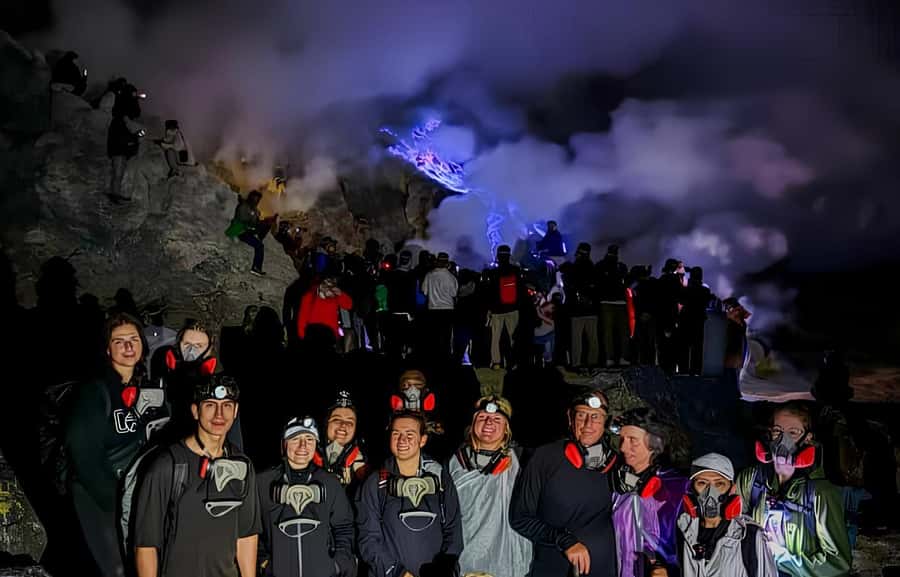
Once you reach the Ijen parking area, the group pauses for a bit of relaxation and receives a briefing. Then the ascent begins at about 2:00 AM. You’ll be walking in the dark, and the tour includes a headlamp to help you see where your feet are going.
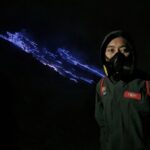
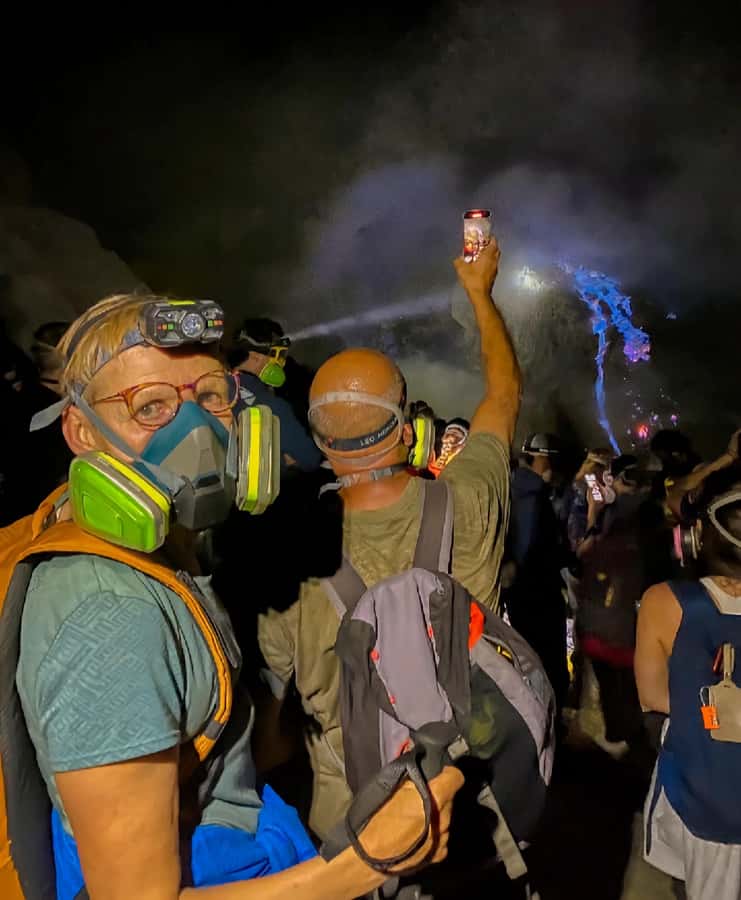
More important: the package includes a gas mask. That tells you what kind of environment you’re entering. Mt Ijen’s crater area can involve fumes, so having the mask provided means you’re not scrambling to find the right gear at the last minute. It also signals that the tour operator expects conditions that require protective equipment, not just a casual hike.
There’s also a health certificate included, and the experience description emphasizes being prepared with a medical check-up before the hike. I read that as a clear message: this is not a gentle stroll. It’s an early start, a strenuous climb, and a return climb after crater time.
The practical mindset I’d use here:
- Wear footwear with grip.
- Plan for cold night air and early-morning chill.
- Keep your pace steady and expect slow segments on steeper parts.
You’re in a group trek, so you get guided direction. But it still comes down to how you move your body through uneven terrain. The tour’s structure helps, but your footing is always your responsibility.
Getting to the crater: what the guided route actually helps with
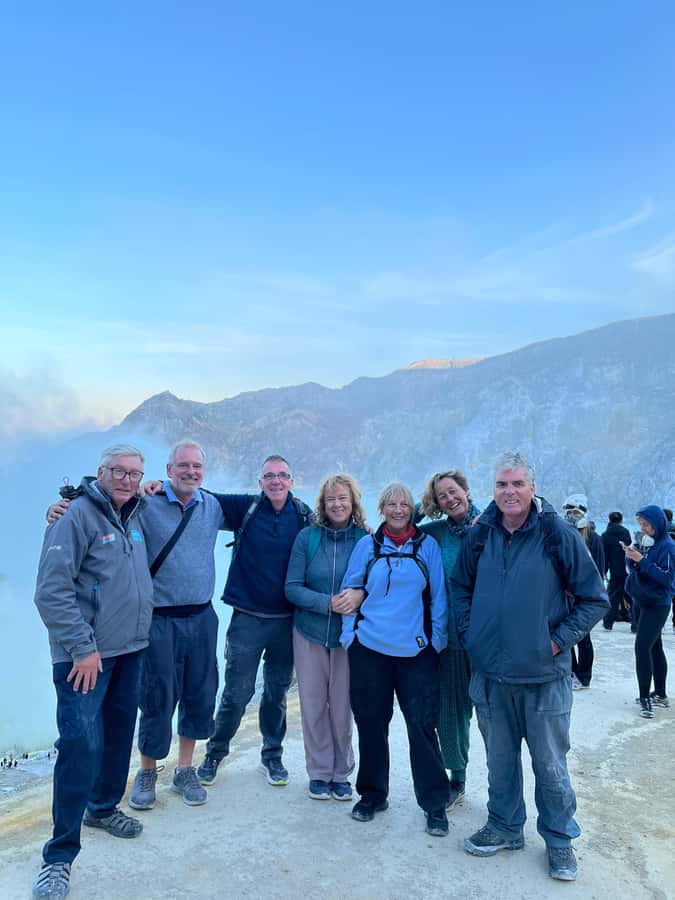
The route toward the crater is where your guide earns their keep. You don’t just get “go here, see that.” You get guided tour support that includes walks/hiking plus safety briefing moments. That matters most in the dark, when it’s easy to lose track of where you are and what you should be doing next.
The experience also includes scheduled break time during the mountain portion, plus guided stops along the way for scenic views. Even if you’re tired, those short pauses can prevent the kind of momentum mistakes that happen when everyone tries to rush.
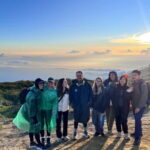
Another useful detail: the tour runs as a group. A group hike means there’s a pace you’ll follow, and there’s less decision-making on your part. You might still feel the climb in your legs, but you won’t be burning mental energy trying to navigate.
Blue fire at the crater: how to make the most of the moment
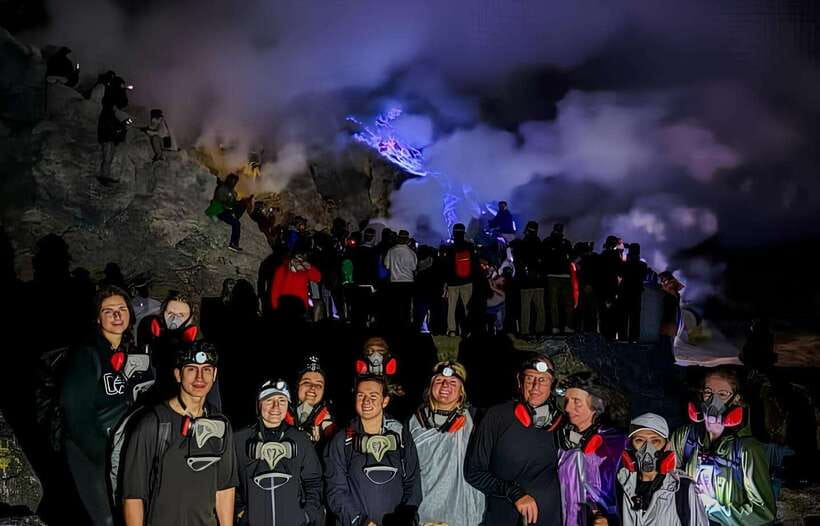
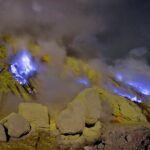
Here’s the headline: you descend into the crater to witness the mesmerizing blue flames. That blue fire look is dramatic, but the viewing experience depends on how you manage three things: timing, positioning, and attention to safety.
Timing is handled by the plan. You reach the crater area, see the blue fire, and then climb back up. Positioning is where the guide helps. The group nature of the trek means you follow a flow to reach appropriate viewing areas rather than wandering around.
Attention to safety is the most important. The tour includes a gas mask and a safety briefing, which implies crater conditions require respect. Even if you feel tempted to push in for a closer photo, the better move is to stay within the area your guide directs so you don’t disrupt the group flow or put yourself in a risky spot.
After crater time, the tour includes climbing back up to the surface. This is one reason the experience can feel tiring even if you’re not on the mountain for days. You’re doing a full effort, then switching back to ascent.
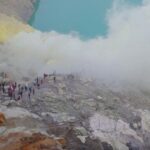
And yes, there’s a note worth repeating: the return climb from the blue fire area can feel crowded. If you’re traveling with a calm pace, that’s manageable. If you hate getting squeezed in a tight line, you’ll still be okay, but you should go slow and stay focused on your step.
Sunrise on Mount Ijen: summit time is where you earn the calm
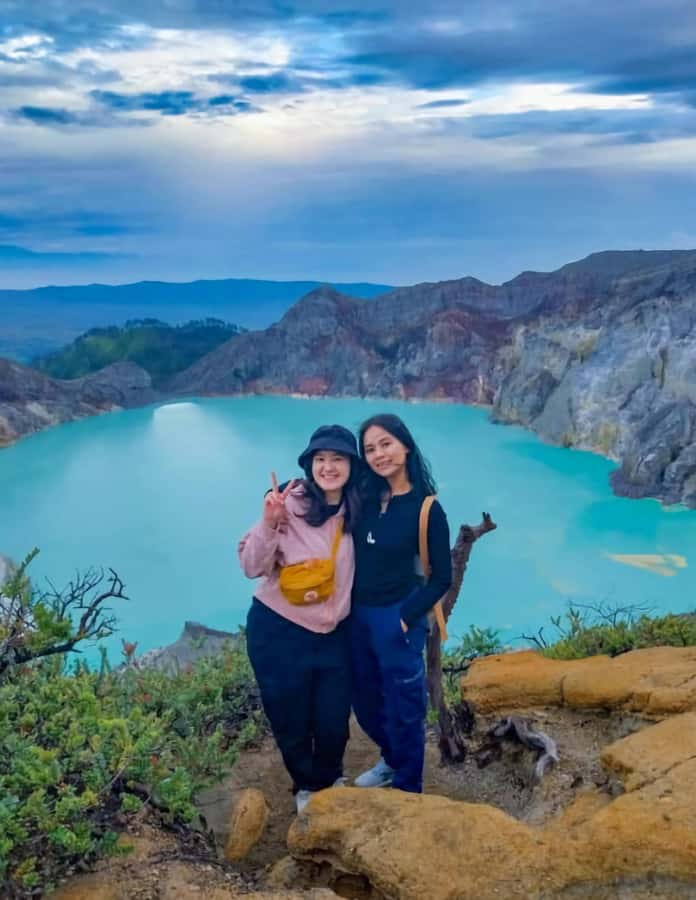
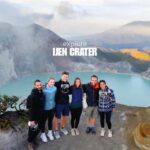
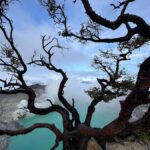
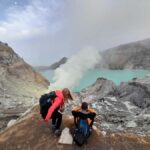
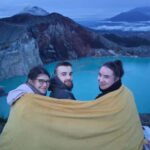
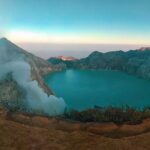
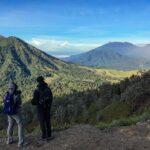
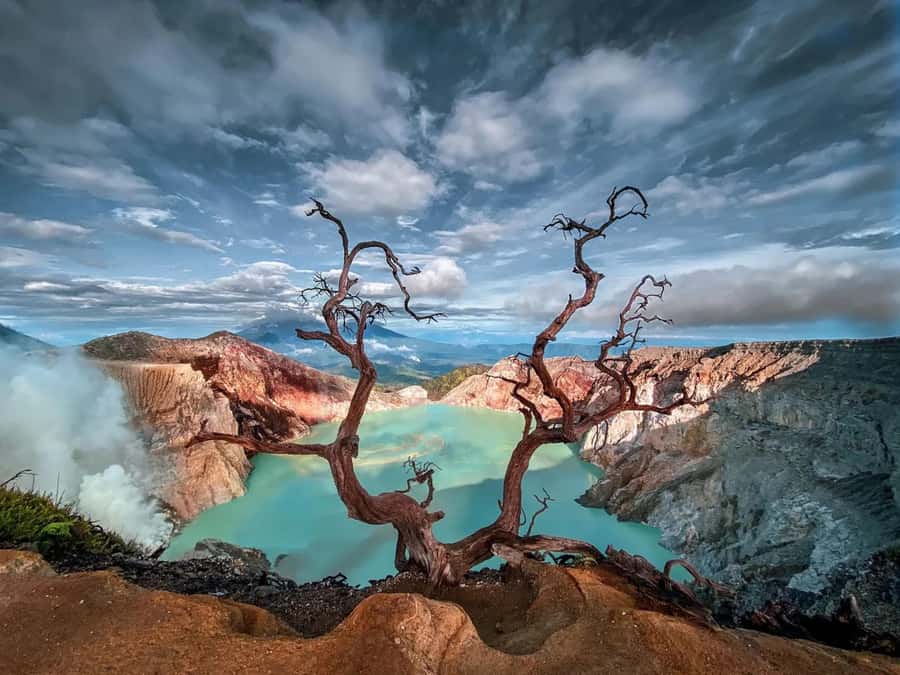
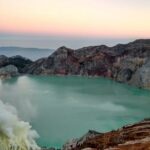
Once you’ve climbed back up from the crater, the tour shifts into a different mode: chilling on Mount Ijen’s summit for sunrise. This is not just a quick “see it and run.” You’re given time to soak in the panoramic lake views as the light changes.
Sunrise viewing is one of those moments where the body feels grateful for the break. After night hiking and crater exertion, seeing the lake and the surrounding area with daylight helps you reset.
This part is also where the miner context can start to make more sense. Under sunrise light, the area stops being just an eerie scene and becomes a place with a working landscape and a human footprint. You get the chance to think, not only to stare.
Then the schedule moves on: by about 6:00 AM, you head back toward the parking area and rest before the journey returns to Banyuwangi.
Return to Banyuwangi by 9:00 AM: what to do with your morning
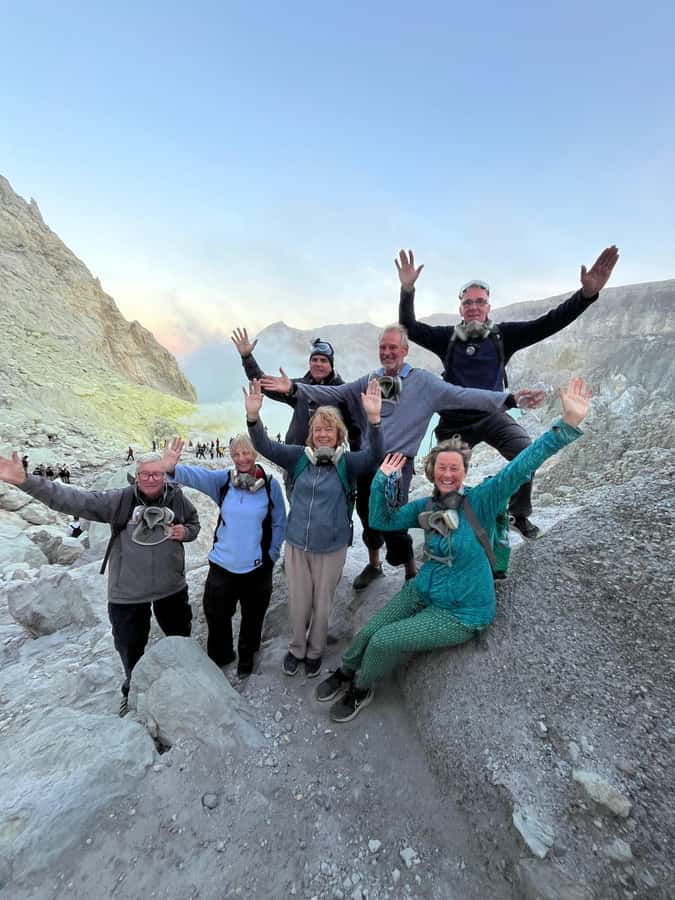
The tour doesn’t end when you finish climbing. By 6:00 AM, you’re on your way back, then you’re transferred to Banyuwangi and you typically arrive around 9:00 AM.
That timing is a big part of the value. You get a full early-morning adventure but still have most of the day left. You can plan a relaxed meal after, shower, and then do something low-effort in Banyuwangi.
Meals aren’t included, so I’d plan to eat soon after you return. You’ll likely be hungry, and you’ll want to avoid making food decisions while you’re still figuring out how your body feels after the climb.
Price and value: is $42 worth it for Mt Ijen?
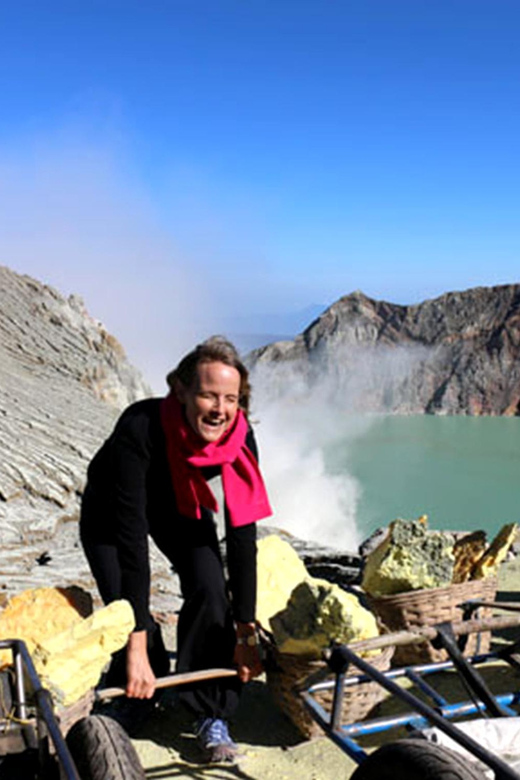
At $42 per person for a 10-hour experience, this tour hits a sweet spot for many budgets because it bundles the hard parts together.
Here’s what you’re effectively paying for:
- Pickup and drop-off in the Banyuwangi area (so you’re not arranging separate transport in the dark)
- An English-speaking experienced guide during the activity
- Entry fee for Mount Ijen National Park
- Key gear: headlamp and gas mask
- A health certificate
- Skip-the-ticket-line support and guided flow through the experience
Meals and personal spending are not included, which is normal for tours like this. But the big gear and planning components are covered. For me, that’s the value: you’re buying time-safety structure, not just a ticket.
If you were doing this independently, you’d still need similar gear and similar knowledge of timing. The guided structure helps reduce that guesswork, especially if you don’t want to handle the crater visit logistics alone.
Who should book this Mt Ijen tour (and who should skip it)
This trek is designed for adults who can handle early starts and a demanding walk.
It is not suitable for:
- children under 14
- pregnant women
- wheelchair users
- visually impaired people
- people over 75
It also has a clear rule: no alcohol and no drugs.
If you fit the recommended style of traveler, you’ll likely enjoy it most if you:
- want an organized night trek with an English guide
- care about seeing the blue fire correctly and safely
- like sunrise views with time to actually enjoy the scenery
- don’t mind groups and the potential for crowding near the return flow
If you’re sensitive to exertion, cold nights, or tight movement in crowded sections, think carefully. The experience is memorable, but it’s not a soft day.
Should you book: my practical take
I’d book this tour if you want the classic Mt Ijen experience with the key supports already handled: English guidance, headlamp + gas mask, national park entry, and a schedule that sets you up for blue fire and sunrise without you stitching together logistics at 2:00 AM.
I wouldn’t book it if you:
- can’t comfortably handle a strenuous early-morning hike and an active return climb
- need an accessibility setup for mobility or vision
- hate crowded hiking conditions at peak moments
Bottom line: for many people, this is a high-value way to see Mt Ijen without turning your morning into a logistics puzzle. The timing is tight, the environment requires respect, and the payoff is real.
FAQ
What is the duration of the Mt Ijen tour from Banyuwangi?
The total duration is 10 hours.
What time does the tour depart from Banyuwangi?
Departure from Banyuwangi city is at 00:05.
What is included with the tour for the hike and crater area?
You get a pickup and drop-off service in the Banyuwangi area, an English-speaking guide, Mount Ijen National Park entry fee, a headlamp, a gas mask, and a health certificate.
Do I need to bring meals?
Meals are not included. You’ll need to cover your own food, drinks, and other personal expenses.
What is the main highlight you’ll see at the crater?
You’ll descend into the crater to witness the blue flames.
Is there a sunrise component?
Yes. After crater time, you’ll climb back up and chill on the summit for sunrise, with panoramic lake views.
Are there any restrictions on what I can bring?
Alcohol and drugs are not allowed.
Is the guide available in English?
Yes, the live tour guide speaks English.