Blue fire at 2 a.m. sounds crazy. It’s also what makes this Kawah Ijen day feel like a real adventure, not just sightseeing, especially when you’re led by an English-speaking guide and get the right proper gas mask for the crater area. The payoff is big: you’re there for the blue flames, the miners at work, and then a sunrise-style crater view from the top.
The main thing to think about is effort and conditions. This is a steep, dark, narrow-track hike with real elevation changes, and food and drinks are not included, so you need to plan for the long hours.
In This Review
- Quick Take: What’s Interesting About This Ijen Tour
- From Bali Pickup to Java: How This 15-Hour Plan Really Flows
- The Ferry Crossing and the Drive to Paltuding Base
- The Midnight Hike: Dark Steps, Gas Mask, and Real Safety Talk
- Blue Fire at the Crater Lake: What You’re Going to See
- The Sunrise-Style Crater Top: Green Lake Views and Photo Timing
- Meeting the Sulfur Carriers: A Small Cultural Moment with Big Meaning
- Price and Value: What $104 Actually Covers (And What It Doesn’t)
- What to Pack for a Safe, Comfortable Ijen Night
- Who This Tour Is For (and Who Should Skip It)
- A Note on Guides: When English and Safety Really Matter
- Should You Book the Ijen Blue Fire Tour From Bali?
- FAQ
- What time do they pick you up from Bali?
- How long is the ferry crossing?
- How long is the whole tour?
- What’s included in the price?
- Do I have to pay the ferry ticket separately?
- Is food included?
- What entrance fee is included?
- What safety gear do I get for the crater?
- Where will I be dropped off in Bali?
- Is this tour suitable for everyone?
Quick Take: What’s Interesting About This Ijen Tour
- Late Bali pickup (around 7 PM): you travel overnight so you can arrive in time for the crater experience.
- Ferry + land transfers: a ferry crossing (about 45 minutes) plus a jeep ride to the Ijen base.
- Safety-first gear: a proper gas mask is included, and your guide focuses on safe footing in the crater.
- Blue flames + sulfur mining: you see the crater lake’s blue fire and how sulfur is processed.
- Back on top for panoramic views: you get the green acid lake and wide crater views for photos.
- Respect the sulfur carriers: you’ll meet miners hauling heavy sulfur rocks using bamboo baskets, and it pays to be polite and mindful on the path.
From Bali Pickup to Java: How This 15-Hour Plan Really Flows
This tour runs about 15 hours, but it doesn’t feel like a long day once you realize how it’s timed. You start in Bali in the evening, around 7:00 PM Bali time, and the goal is simple: get you to the Ijen area early enough for the midnight hike, so the blue flames and sulfur activity are part of the same outing.
Pickup times depend on where you’re staying. If you’re in Denpasar, Ubud, Pemuteran, or other listed areas (like Kuta, Canggu, Seminyak, Uluwatu, Lovina Beach, Jimbaran, Munduk, and Karangasem Regency), you’re scheduled for a pickup window based on your location. The tour is designed so you don’t have to wrestle with transport planning across island connections and night drives.
One value point here is that the big movement is handled for you. You’re not trying to figure out how to get from Bali to the Java side and then reach the Ijen base at the right hour. You just show up, meet the team, and follow the plan.
You can also read our reviews of more tours and experiences in Banyuwangi.
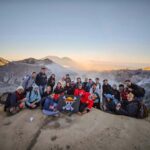
The Ferry Crossing and the Drive to Paltuding Base
After pickup, you cross by ferry. The ferry ride is about 45 minutes, then you continue directly toward the Ijen side.
You’ll end up at Paltuding base, where the actual crater hike begins. According to the schedule, you arrive around 2:00 AM. That late arrival is intentional. You get a short rest period, plus registration, before you start walking.
This is also where you’ll feel the “Ijen rhythm.” The night hike starts in darkness under the moon and stars. That’s part of the experience—seeing the crater approach slowly, with headlights cutting through night air—but it also makes preparation matter. If you show up tired, cold, or without grippy shoes, the steep terrain will punish you.
The Midnight Hike: Dark Steps, Gas Mask, and Real Safety Talk
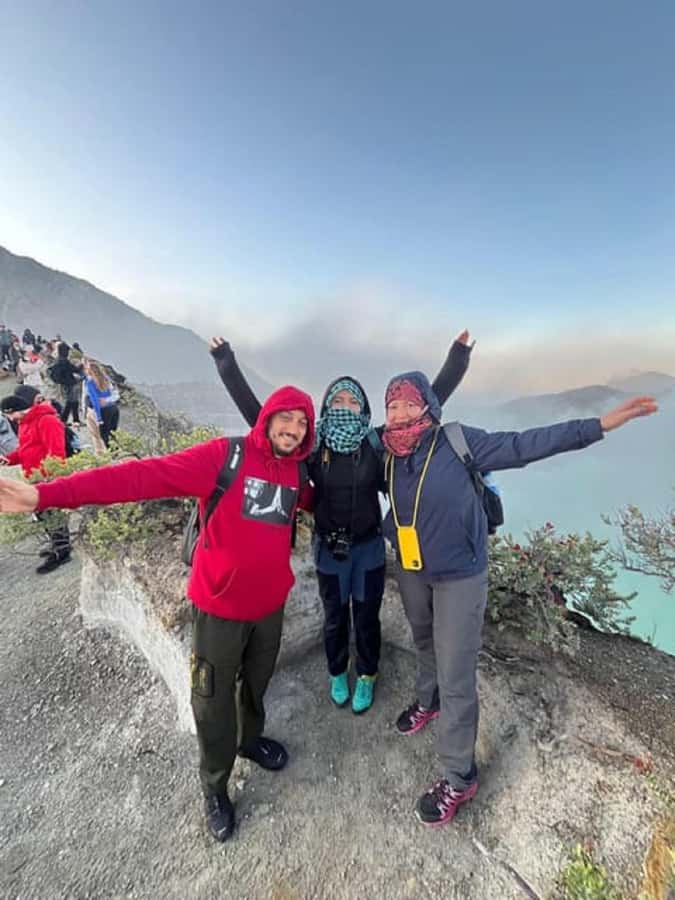
The crater hike is the heart of the tour, and it’s where you should pay attention to details.
You start hiking from Paltuding on a steep track in the dark. Your group moves carefully. The route to the crater involves a descent of about 30 minutes once you reach the crater top area, and that descent is where many people feel the strain—especially because the path is narrow and rocky.
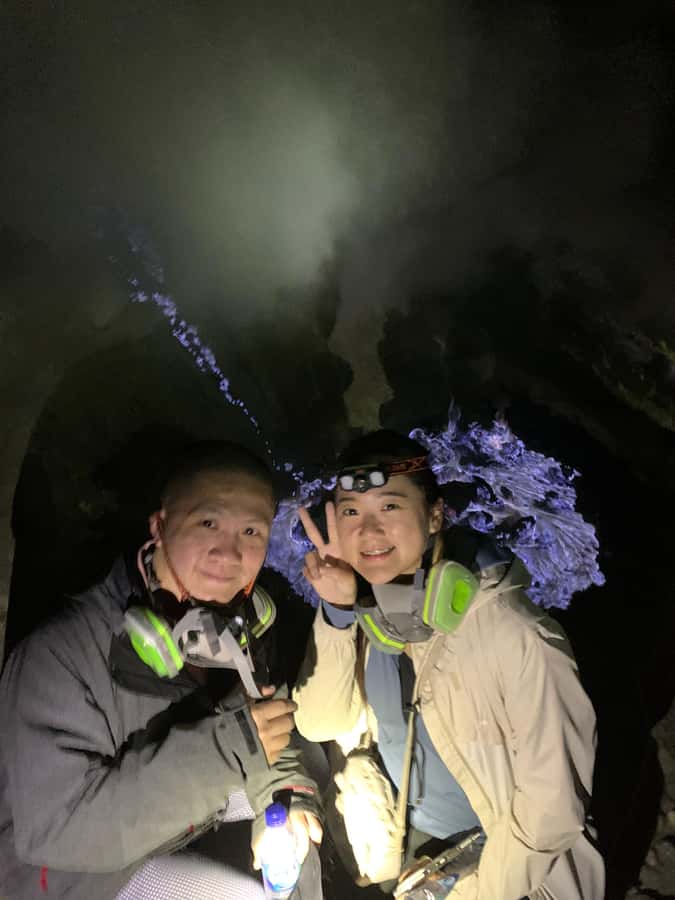
This is not a stroll. It’s closer to a careful climb-and-step process, one you’ll want to treat seriously. The tour includes a proper gas mask, which is important around the crater sulfur environment. A key theme here is that the guides stress safety because the crater can be dangerous even when you have equipment.
Also, bring the right footwear. Sport shoes with good grip are fine, but worn-out soles or slick tread are a bad idea. The track is narrow, and you don’t want to be the person trying to power through with smooth sneakers.
One practical note: you’ll be walking when it’s cold. Even if Bali feels warm, the early-morning air near Ijen can feel sharp. Pack a jacket and warm layers, and dress for warmth plus movement.
Blue Fire at the Crater Lake: What You’re Going to See
Here’s the reason people pay for this tour: the blue flame phenomenon.
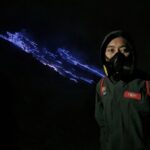
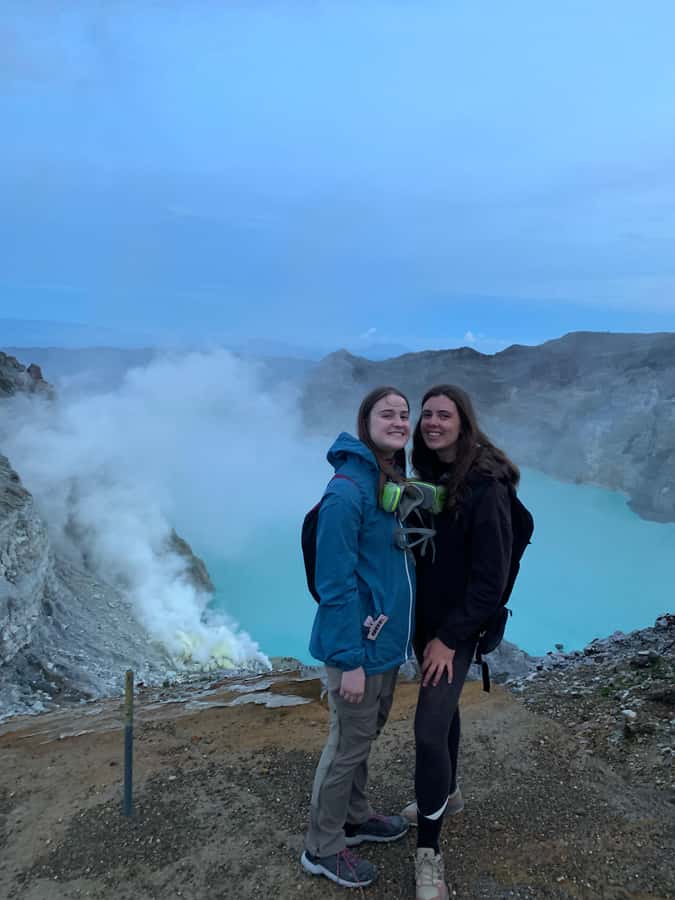
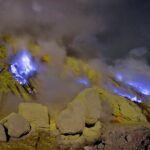
When you reach the crater lake area, you see the blue fire at the bottom, alongside active sulfur mining and the way sulfur processing is carried out. The blue flames aren’t a gimmick. They’re visually dramatic in real conditions, and the contrast of dark crater air plus bright flame makes it memorable.
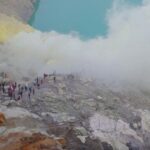
What’s unique is that you’re not just looking at a natural sight. You’re watching human activity tied to the volcano. Sulfur miners work in a place that looks otherworldly, and the tour is built to show that side of Ijen too.
After you’ve seen the blue flames, you’ll hike back up toward the crater top for the next part of the experience.
The Sunrise-Style Crater Top: Green Lake Views and Photo Timing
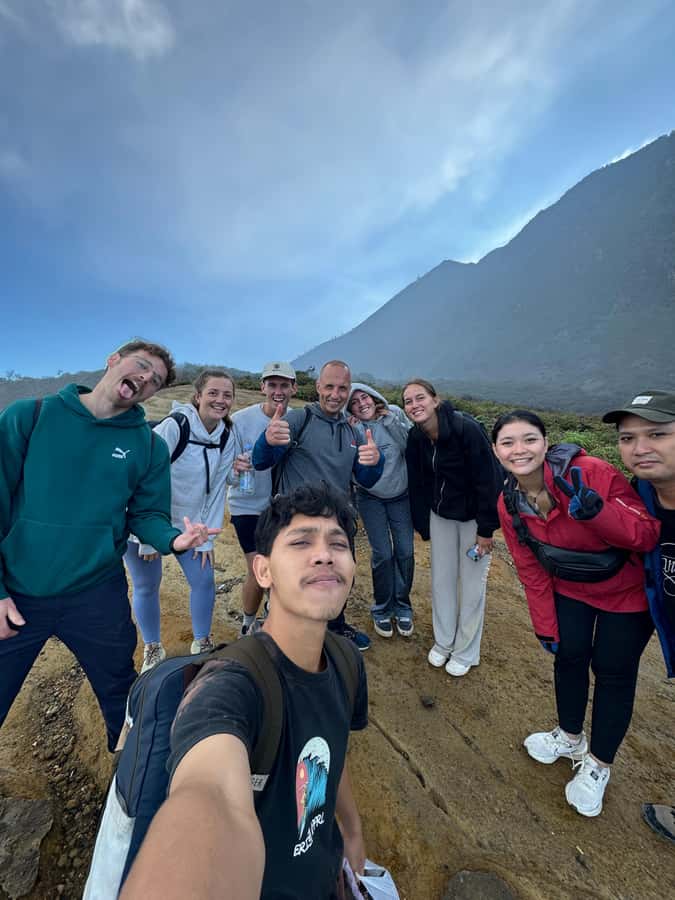
Once the blue fire moment is over, the route reverses. You climb back to the crater top to reach a panoramic viewpoint.
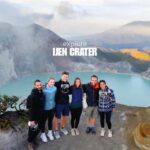
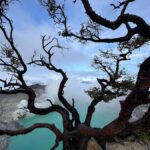
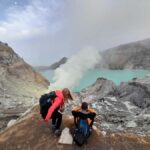
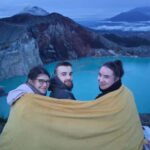
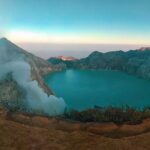
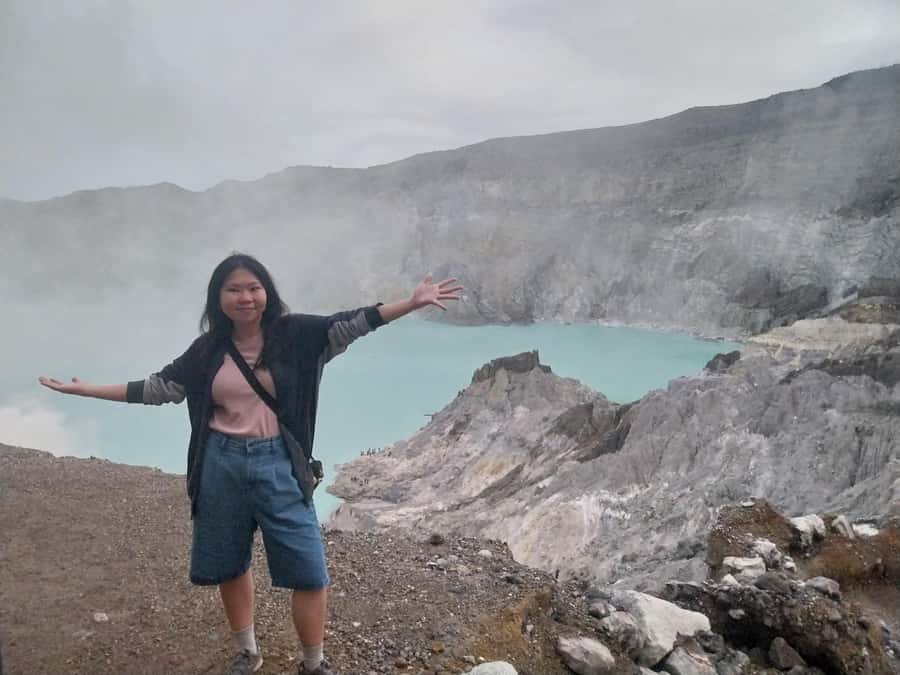
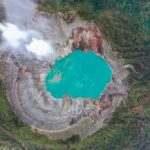
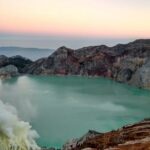
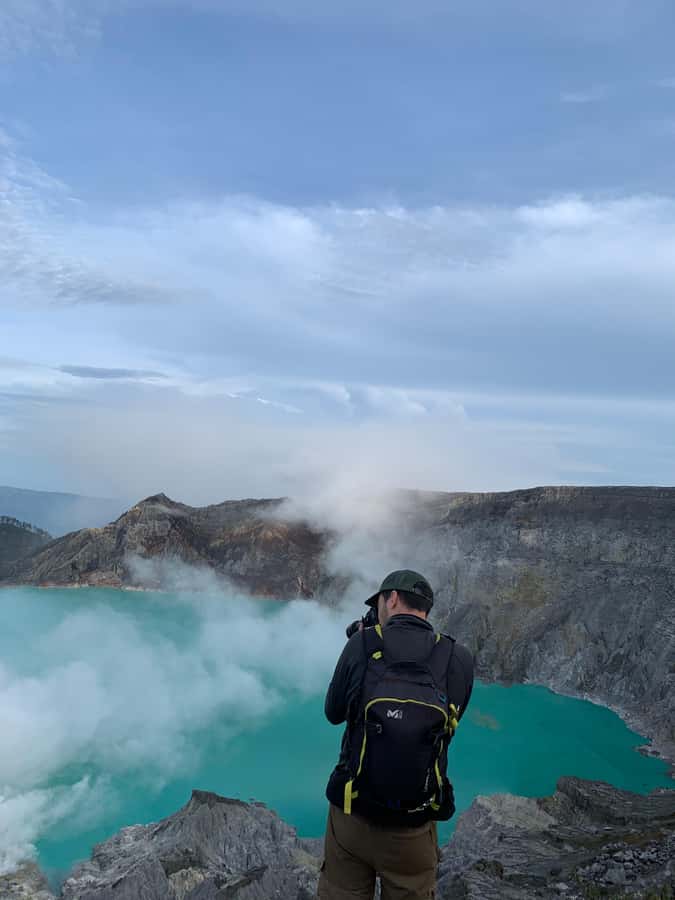
From the top, you get a broader view of Kawah Ijen, including the green acid lake. This part matters because it changes the story of the crater. The blue flames feel like an intimate, close-up moment. The top viewpoint turns that into a bigger “wow” picture, with the whole crater setting visible.
This is also where photos tend to happen. The top viewpoint is described as a good place for a selfie and short video clips. And yes, drone shots are mentioned as something people enjoy from this area—just keep your expectations realistic and think about safety and local conditions when you’re handling any flying device.
Meeting the Sulfur Carriers: A Small Cultural Moment with Big Meaning
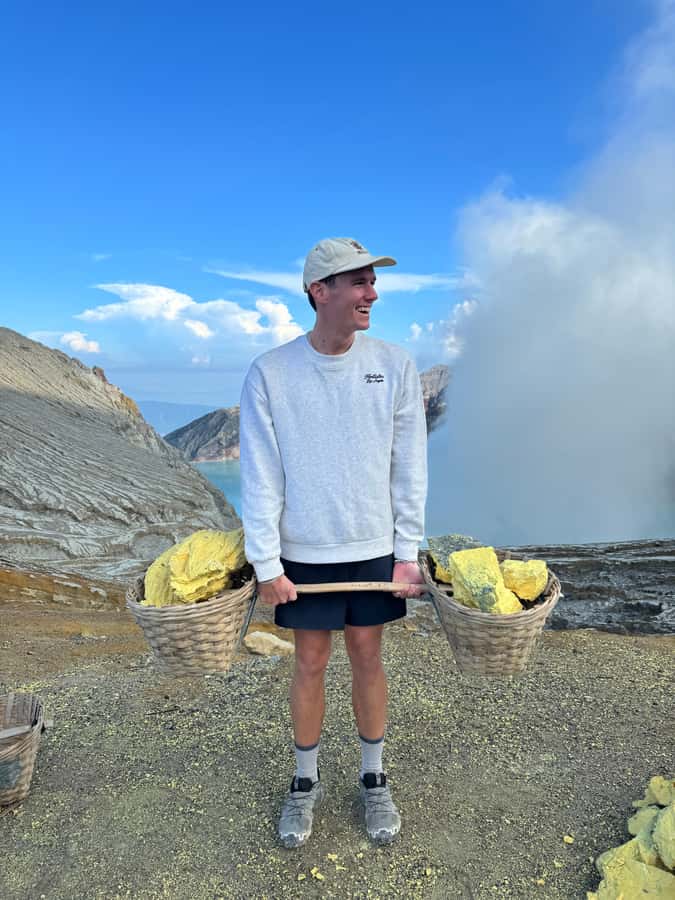
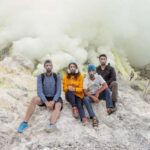
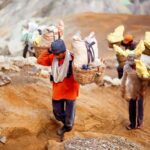
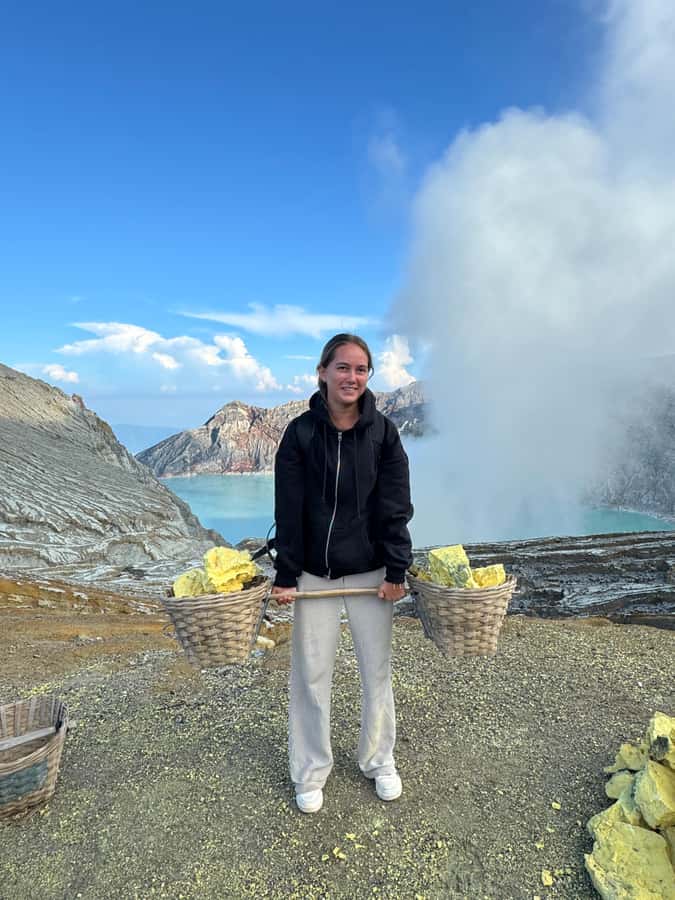
Between the big sightseeing stops, you also get a close-up look at the miners. The schedule includes time to meet the strongest men in the earth, who carry nearly 100 kg of sulfur rocks using a handmade bamboo basket.
This is one of those travel moments that’s easy to treat like a photo-op, but it’s better to treat it like a real workplace. Say hello. Don’t crowd them on the path. Share space politely and keep your voice down. If you’re looking for a small souvenir, this is the kind of place where buying something directly can be a meaningful gesture—without turning the moment into a spectacle.
You’ll get more out of the tour if you see these workers as the center of the story, not as background for your pictures.
Price and Value: What $104 Actually Covers (And What It Doesn’t)
At $104 per person for a 15-hour experience, you’re paying for more than a hike. You’re paying for nighttime transport from Bali, ferry coordination, land transfers to the Ijen base, an English-speaking guide, entry access, and safety support.
Included costs:
- Pickup from your Bali area to Gilimanuk at night
- Jeep drive from the Java side toward the Ijen area
- English-speaking tour guide
- Entrance fee (IDR 150,000 per person)
- Medical check up for a health certificate
- Proper gas mask
- Drop-off back to Bali
Not included:
- Food and drinks
- Personal expenses
- Ferry ticket (25,000 IDR per person)
That ferry ticket being extra matters for budgeting, but it’s not the main variable. The bigger “value question” is the all-in experience versus what you bring yourself.
Pack food and water. One of the complaints linked to this kind of tour experience is that you may not get what you expect for hydration during the long hours. Even if a team provides plenty, don’t gamble. Bring snacks you can eat without fuss, plus enough water for a long, cold, active night.
Also, double-check transport specifics for your exact pickup/drop-off address. While the tour is described as dropping you back at the same place in Bali, one negative experience pointed out a return-charge issue. That’s rare enough that it’s not the rule—but it’s a good reminder to confirm your end point clearly before you go.
What to Pack for a Safe, Comfortable Ijen Night
You’ll walk in the dark, in cold air, on uneven rock. Bring practical gear and keep it simple.
At minimum:
- Jacket and warm clothes (it gets cold during the early hours)
- Hiking shoes or sport shoes with solid grip
- Layers you can move in
- Your own snacks and water, since food/drinks are not included
The tour includes a gas mask, but don’t assume you can walk comfortably without warm layers and solid shoes. The crater route requires traction and careful footwork.
If you’re the type who gets chilly easily, add an extra layer. You’ll start hiking in the early morning hours, not in Bali’s warm nighttime comfort zone.
Who This Tour Is For (and Who Should Skip It)
This is best for active travelers who don’t mind an overnight start and a steep hike.
It’s clearly not suitable for:
- Pregnant women
- Wheelchair users
- Babies under 1 year
- People over 309 lbs / 140 kg
If you’re on the edge physically, be honest with yourself. The descent and ascent, plus the rocky narrow sections, are not the kind of obstacle course where you can just “take it easy.” If you’re prone to dizziness, have major mobility limits, or struggle with cold early mornings, you’ll likely find this too demanding.
On the flip side, if you enjoy challenging hikes with a strong sense of place—and you want to see Ijen’s work side as well as its famous flames—this is a great fit.
A Note on Guides: When English and Safety Really Matter
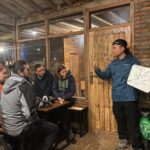
The guide experience can make or break an Ijen night. One highlighted guide mentioned Aqil, a young guide with fluent English and a focus on choosing good moments to move through the route. That matters because pacing affects both safety and comfort in the dark.
Another person credited help from someone named Gun, specifically for guidance through the trip all the way to the crater. The shared theme is clear: the guides are not just reciting facts. They’re managing timing, safety reminders, and the flow of the group on steep terrain.
When you’re in a place like Ijen, that kind of guidance is worth more than extra storytelling.
Should You Book the Ijen Blue Fire Tour From Bali?
If you want one bucket-list experience that feels real—blue flames, sulfur miners, a steep night hike, and sunrise-style crater views—this tour is a strong option. The big wins are the midnight timing, the included gas mask, the English guide, and the fact that transport planning is handled end-to-end from Bali.
Book it if:
- You can handle a cold, dark, steep hike
- You’re comfortable bringing your own food/drinks
- You want the blue fire plus the human side of sulfur work
Skip it (or choose another plan) if:
- You’re not steady on uneven, narrow terrain
- You’re traveling with someone who falls into the stated non-suitable categories
- You’re expecting a relaxed day with meals and easy walking
If you do book, confirm your pickup and drop-off address clearly before departure, and plan your own snacks and hydration. Do that, and you’ll be ready for the moment that makes Ijen famous.
FAQ
What time do they pick you up from Bali?
Pickup starts in the evening, around 7:00 PM Bali time, depending on your exact location in Bali.
How long is the ferry crossing?
The ferry crossing is about 45 minutes.
How long is the whole tour?
The total duration is about 15 hours.
What’s included in the price?
Included are pickup from your Bali area to the Java side at night, jeep drive, an English-speaking guide, entrance fee, medical check up for a health certificate, a proper gas mask, and drop-off back to Bali.
Do I have to pay the ferry ticket separately?
Yes. The ferry ticket is not included and costs 25,000 IDR per person.
Is food included?
No. Food and drinks are not included, so plan to bring snacks and water for the long hours.
What entrance fee is included?
The entrance fee included is IDR 150,000 per person.
What safety gear do I get for the crater?
The tour includes a proper gas mask.
Where will I be dropped off in Bali?
You’ll be dropped off back at the same place in Bali as your pickup location.
Is this tour suitable for everyone?
It’s not suitable for pregnant women, wheelchair users, babies under 1 year, and people over 309 lbs / 140 kg. It also requires a good level of mobility for the steep crater hike.