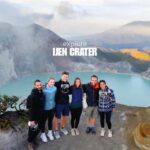
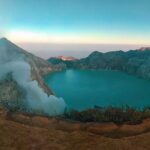
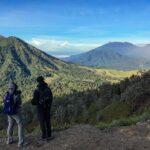
Blue fire at 2 a.m. changes your mood. This Banyuwangi to Ijen Crater tour is built around two big natural sights: Blue Fire after dark and sunrise from the crater rim. I especially like that the guides pay attention to pacing and safety, and you also get a real look at how sulfur miners work. One consideration: this trek can be physically tough, and it is not a good match if you have breathing problems.
Kawah Ijen is one of those rare places where the scenery feels otherworldly. You’ll trek toward the turquoise acidic crater lake (the largest of its kind) before sunrise, then return with that early-morning glow in your photos. Ijen also has a human side: traditional sulfur miners appear in the same views, turning the hike into more than just sightseeing. The drawback is timing and cold—expect very early starts and bring warm layers.
The tour includes the essentials for the fumes and the dark trek, like a gas mask and flashlight. Still, you should plan for stiff legs and strong footwear grip, since the route can be demanding and visibility is low at night. If you can handle a hard hike at night and you’re comfortable following safety instructions closely, this one is a winner.
In This Review
- Key things to remember before you book Ijen Blue Fire
- Where Banyuwangi fits in: getting to Kawah Ijen without the headache
- Price and value: what $27 really buys (and what costs extra)
- The nighttime plan: Blue Fire viewing, safety gear, and pacing
- The crater approach: turquoise lake views and miner reality checks
- Sunrise at the rim: why the timing is worth the suffering
- The hike itself: what “challenging” means in real life
- Comfort and extras: coffee stops, fruit, and the small things
- Pickup, drop-off, and timing realities (so you’re not guessing)
- Who this tour is for (and who should skip it)
- FAQ
- FAQ
- How long is the Ijen Crater Blue Fire and Sunrise tour?
- What is the best time to start the hike?
- Is the Blue Fire included in the experience?
- Do I need to buy an entrance ticket?
- What safety gear is provided?
- Do I need a warm jacket?
- Is this tour suitable for people with respiratory problems?
- What’s the pickup coverage?
- Is the tour guide English-speaking?
- What is included for Bali-based departures?
- Should you book this Ijen Blue Fire & Sunrise tour?
Key things to remember before you book Ijen Blue Fire
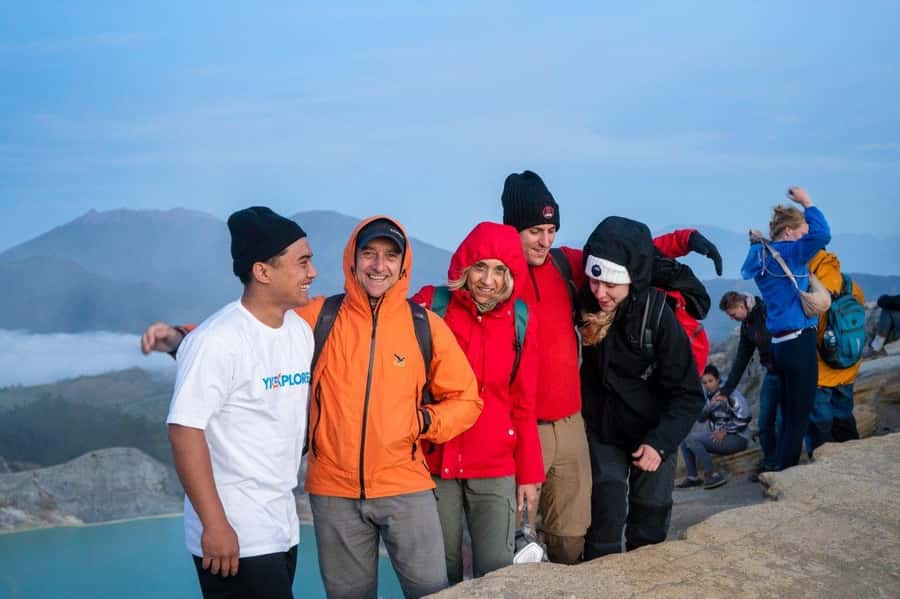
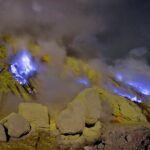
- Blue Fire is conditional: you go at night specifically to catch the phenomenon, so the early timing matters.
- The acid lake is a big moment: the turquoise crater lake is a major sight you’ll approach during the hike.
- Guides matter on Ijen: guides like Samuel and Idam are described as attentive, and they know the work around the mountain.
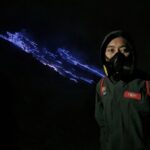
- You’ll get safety gear: flashlight and gas mask are included, and guides help you figure out when to use it.
- Entrance fees are extra: IDR 200,000 per person is paid at the pickup point.
- Bring warm clothes and grip shoes: cold morning weather plus a challenging trek means layers and solid footwear are not optional.
Where Banyuwangi fits in: getting to Kawah Ijen without the headache
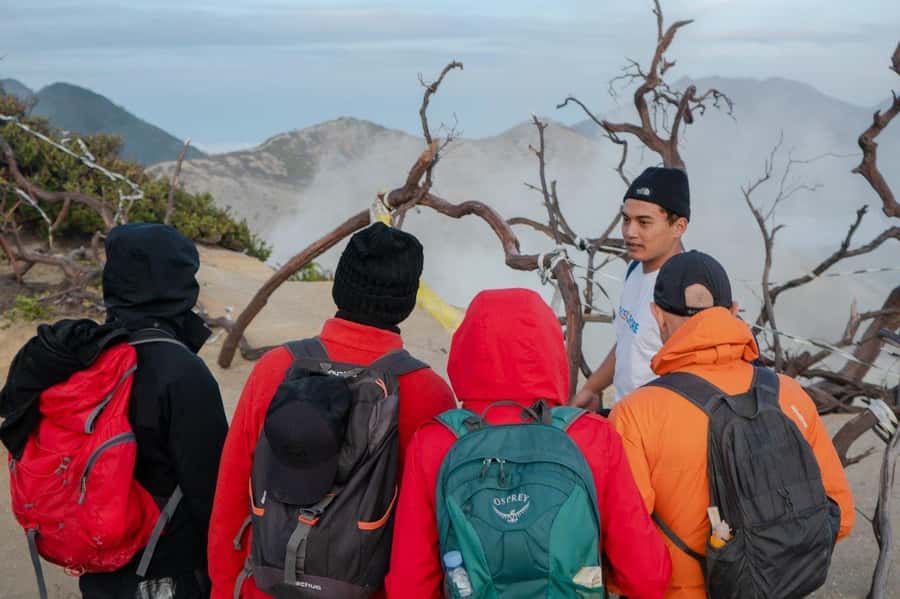
Most people come to Ijen through the Banyuwangi area, and this tour is set up to take the stress out of logistics. You get pickup from major starting points (such as Banyuwangi Train Station or Ferry Terminal), and there are also pickup options in other areas like Ubud, Denpasar, and Probolinggo depending on the selected route. Drop-off options include Ketapang Harbour and multiple bases such as Banyuwangi, Ubud, and Denpasar.
That pickup value matters because Ijen is a night-and-early-morning mission. When you’re leaving around midnight or shortly after, getting yourself there with local transport is where plans usually go sideways. Here, the tour handles the car ride and the mountain meeting points so you can focus on the walk and the views.
One small detail that can matter for smooth communication: it’s a WhatsApp-based style of coordination. The tour asks you to put your WhatsApp number while booking so they can confirm timing.
You can also read our reviews of more tours and experiences in Banyuwangi.
Price and value: what $27 really buys (and what costs extra)
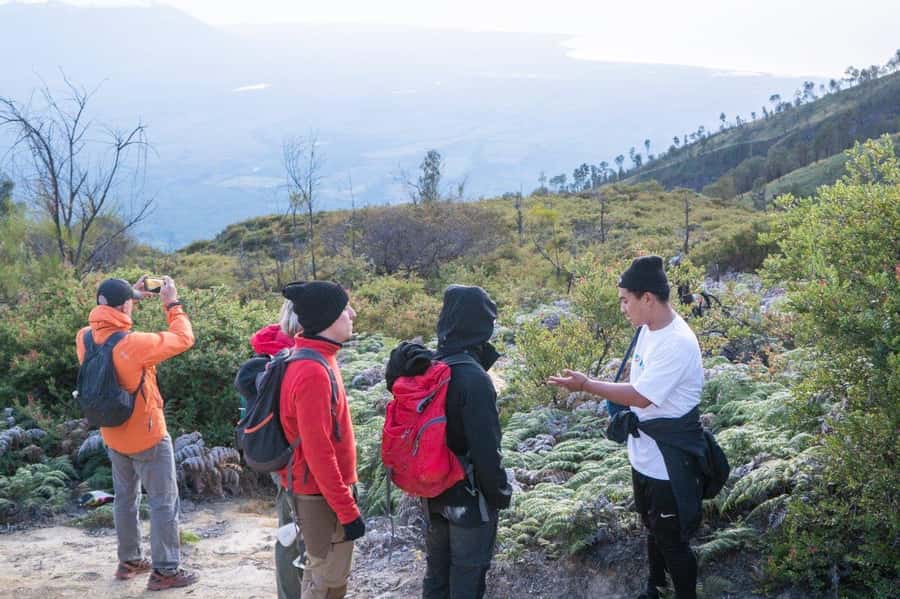
At a stated price around $27 per person, this tour is positioned as a value option for one of Indonesia’s most dramatic night-sky nature moments. What you’re paying for isn’t just a guide—it’s the whole early-start setup: pickup, transport, safety gear, and an English-speaking guide for the guided portion up to the crater.
That said, you should budget for the one extra mandatory cost that isn’t baked in:
- Entrance ticket IDR 200,000 per person, paid at the pickup point (cash/card, depending on what the point accepts).
Also watch for optional spending on the mountain, like ponchos or sunglasses sold onsite for cash. If you think you’ll need rain/cold protection or eye cover, having a bit of cash ready helps.
If you’re coming from Bali or other areas, the package can include extra travel value:
- One-way ferry ticket if Bali is selected
- 1 night accommodation if starting from Bali/Probolinggo options
So, even though the headline price looks low, the real value is in whether your chosen departure includes the ferry and/or hotel night.
The nighttime plan: Blue Fire viewing, safety gear, and pacing
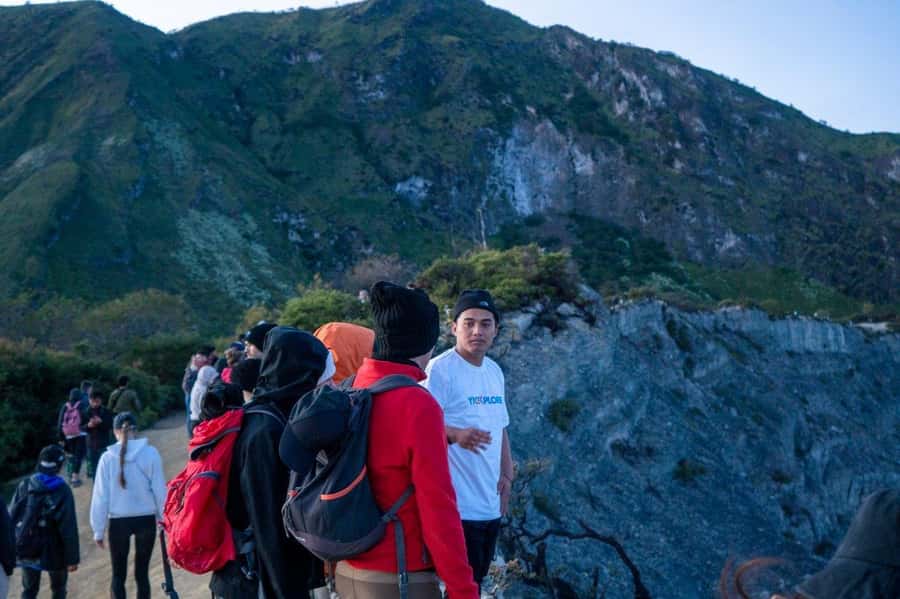
This is the part that makes the tour special. You start the trip in the late night or very early morning hours. In at least one common pattern, the drive can begin around 00:00, you reach basecamp near 01:30, and the hike starts around 02:00. Another booking experience shows they can adjust pickup timing so you don’t miss the blue flame window.
Once you begin the climb, the tour’s safety approach becomes more than just a checklist. You get:
- a flashlight
- a gas mask
- an English-speaking guide who knows when to cue people for fumes
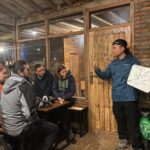
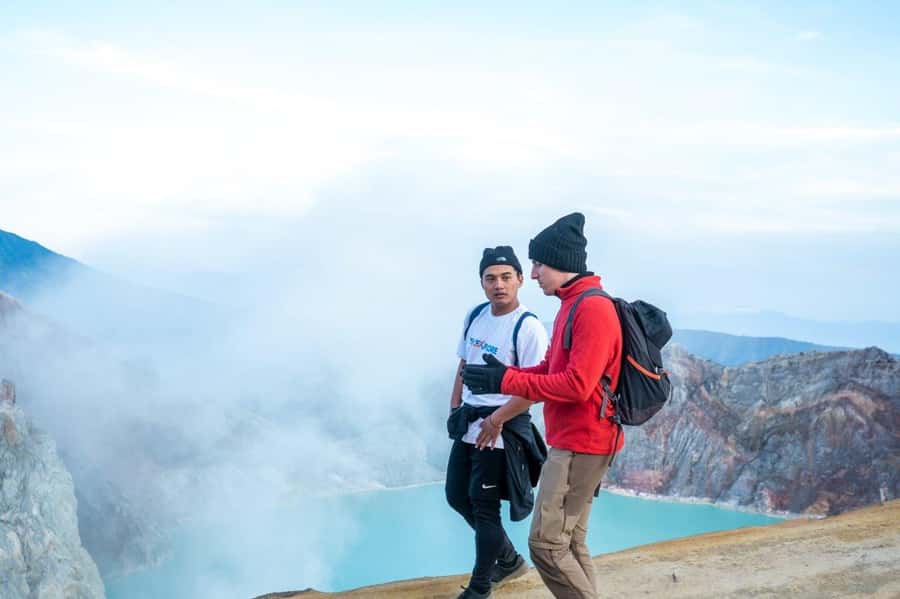
A big reason I like this tour format is that it’s not just a fast climb. The pacing is described as considerate—guides check in about fitness and ask if everyone is doing okay. That’s important because Ijen is steep and tiring in the dark. One guide experience specifically notes that Samuel (a sulfur carrier) shared insights from his own work, which gives your hike a practical layer rather than only a scenic one.
Also, follow the guide’s instructions on the gas mask. The goal isn’t fashion; it’s breathing comfort near the sulfuric fumes. If you’ve got respiratory issues, the tour clearly isn’t suitable, so don’t try to “tough it out.”
The crater approach: turquoise lake views and miner reality checks
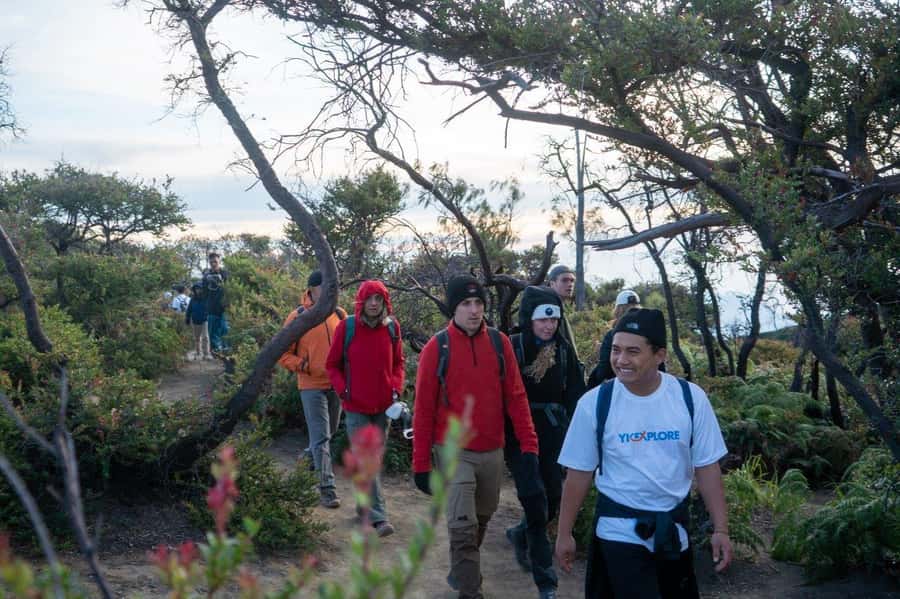
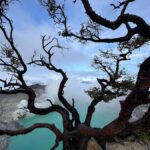
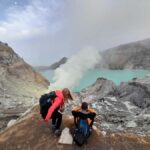
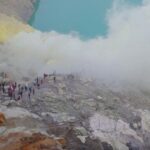
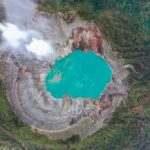
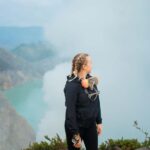
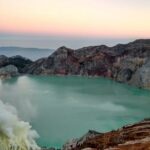
As you hike upward, the change in scenery is dramatic. You’ll be greeted by the crater’s turquoise acid lake, known as the largest acidic crater lake in the world. Even if you’ve seen photos, seeing it close up hits differently because the scale and color contrast feel unreal in early light.
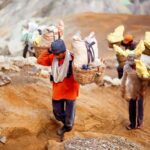
But the tour isn’t only about geology. You also get a chance to observe traditional sulfur miners at work while you take in the panoramic views. In the most detailed guide-style experience, Samuel is described as one of those sulfur carriers, and he could explain what he does and how the mountain works from the inside.
Why this matters for your experience: it turns the crater from a “photo stop” into something closer to a living workplace view. You’re still trekking for a once-in-a-lifetime phenomenon, but you also come away understanding what’s happening around the mountain every day.
Sunrise at the rim: why the timing is worth the suffering
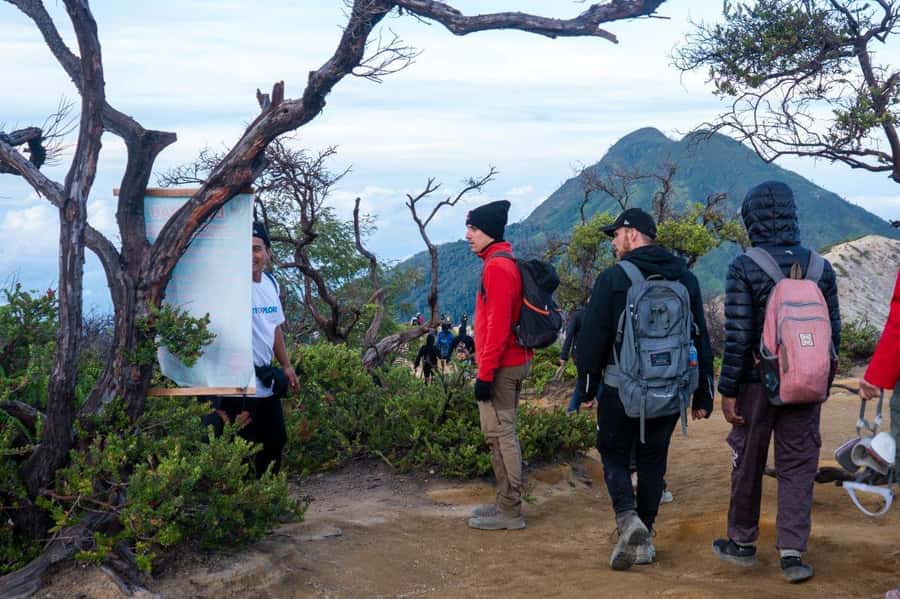
The best payoff is usually sunrise, and this tour is structured so you reach the right vantage before the sun climbs too high. Once you’re at the crater top, you’re in position for that slow transition from dark to warm light, with the crater’s features taking shape.
This is also where the tour feels most worth it even if you’re tired. Blue fire is intense, but sunrise is the moment that gives the whole scene context—distance, depth, and the crater’s geography. You can see why people get emotionally attached to this place after the first few minutes of daylight.
One practical tip: because sunrise comes early, plan for cold. The tour recommends bringing a jacket, and multiple experiences reinforce the idea that warm layers help you enjoy the moment rather than rush through it. Sunrise also makes it easier to navigate and see your footing on the way down.
The hike itself: what “challenging” means in real life
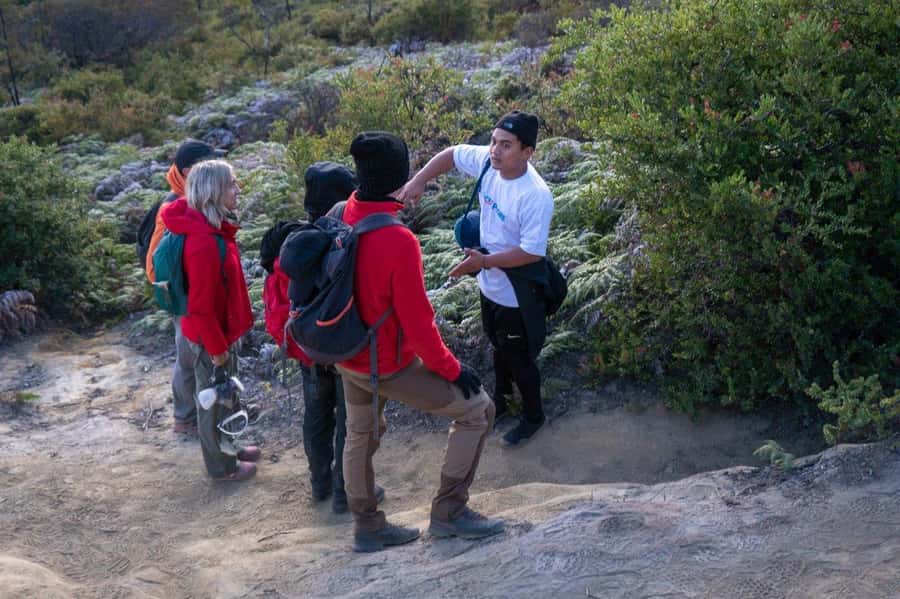
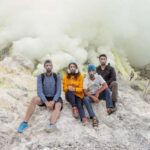
The trek to Ijen is not a casual walk. It’s described as physically challenging, aimed at people with at least moderate fitness. I’d treat it like a night climb with steep sections and long time on uneven footing, not like an easy morning stroll.
Length-wise, one detailed account mentions a walk around the crater of roughly 10 km. Another key point: the group can stop as needed, and guides will wait if you want to take breaks. That helps, but it doesn’t make the trek easy.
Footwear advice you should take seriously: wear old clothing and shoes with good grip. The mountain conditions can be rough on surfaces, and you’ll be in the dark on the way up. If you’re thinking of bringing brand-new shoes, don’t.
And yes, expect to make compromises on comfort. You’ll trade comfort for a shot (and a view) you won’t see anywhere else.
Comfort and extras: coffee stops, fruit, and the small things
Even though Ijen is a serious climb, the tour adds comfort where it counts.
In one experience, after arriving at basecamp, there was a choice of coffee or tea before the hike. That sounds small, but when you’re starting around 2 a.m., warm drinks make the whole experience feel more human.
At the end, there’s mention of breakfast and fresh fruit. Again, it’s not a luxury buffet, but it helps with the post-trek crash so you’re not just shivering and hungry on the ride back.
The tour also uses an air-conditioned car for transport, which matters if you’re coming from humid coastal areas and want relief after being exposed in cooler crater hours.
Pickup, drop-off, and timing realities (so you’re not guessing)
I like this tour because it removes a lot of the guesswork, but you still need to plan around the early schedule.
A few timing notes to keep you grounded:
- The hike generally starts in the night/very early morning hours.
- Drivers can be punctual, and guidance messaging ahead of time is part of the experience.
- You might be picked earlier if blue fire viewing is a priority.
What to watch for: pickup area specifics. The important info says the pickup area is only Probolinggo city, while the options list includes places like Ubud and Denpasar. That doesn’t have to be a problem—just confirm your exact pickup point when you book, especially if you’re joining from outside Probolinggo.
After the Ijen visit, you’ll get transported back to your chosen drop-off point, like Banyuwangi Train Station, ferry connections, or a hotel area.
Who this tour is for (and who should skip it)
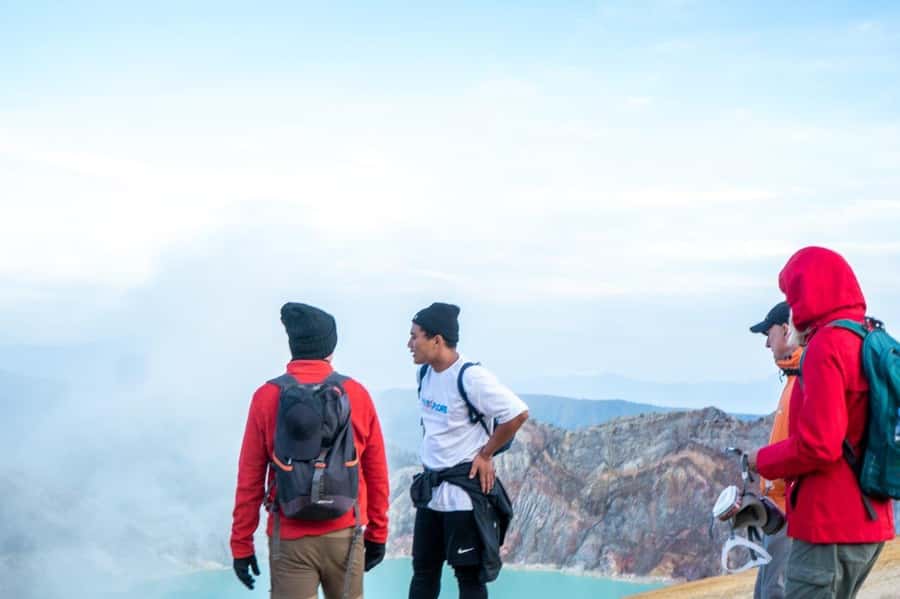
This is a great fit if you want:
- a true night nature experience with Blue Fire
- a sunrise viewpoint payoff that’s worth waking up for
- a guide-led trek with safety gear and pacing support
- a closer look at how sulfur miners work in the same landscape you’re photographing
It’s not a fit if:
- you have respiratory issues (fumes and safety requirements make this a hard stop)
- you can’t handle a steep, physically challenging night hike
- you hate early departures and cold mornings (you’ll be awake for a while)
If you’re an experienced hiker who likes early starts and can follow safety instructions, you’ll probably find the challenge energizing rather than stressful.
FAQ
FAQ
How long is the Ijen Crater Blue Fire and Sunrise tour?
It runs 8 hours to 2 days, depending on your selected starting point and schedule availability.
What is the best time to start the hike?
The tour starts very early, and typical plans include reaching basecamp around 01:30 and starting the hike around 02:00. Exact timing can vary by booking.
Is the Blue Fire included in the experience?
Yes. The tour is organized specifically to witness the Blue Fire at night at Kawah Ijen, and timing may be adjusted to help you see it.
Do I need to buy an entrance ticket?
Yes. An entrance ticket of IDR 200,000 per person is not included and is paid at the pickup point.
What safety gear is provided?
You get a flashlight and a gas mask included in the tour.
Do I need a warm jacket?
Yes. The tour recommends bringing a jacket, since you’ll be out in the early morning hours.
Is this tour suitable for people with respiratory problems?
No. It is explicitly not suitable for people with respiratory issues.
What’s the pickup coverage?
Pickup can be arranged from options like Banyuwangi Train Station, Ferry Terminal, or hotels, and also from areas such as Ubud, Probolinggo, and Denpasar depending on what you select. Your exact pickup point should be confirmed.
Is the tour guide English-speaking?
Yes. The tour includes an English-speaking guide.
What is included for Bali-based departures?
If you select Bali options, you may receive a one-way ferry ticket, and in some cases 1 night accommodation if starting from Bali/Probolinggo options.
Should you book this Ijen Blue Fire & Sunrise tour?
If you want the classic Ijen combo—night Blue Fire, the acid crater lake, and a real sunrise from the rim—this tour is a strong choice, especially because it focuses on safety gear and early-morning logistics. I’d book it if you’re comfortable with a tough night hike and you’re okay with cold layers.
I would not book it if breathing fumes could trigger problems, because the tour clearly isn’t designed for respiratory limitations. And I’d confirm your pickup location before you pay, since the tour lists several pickup options but also notes specific pickup area details.
If you want one key checklist item: bring warm clothing and solid grip shoes. That’s what turns this from a strenuous mission into a memory you’ll actually enjoy.